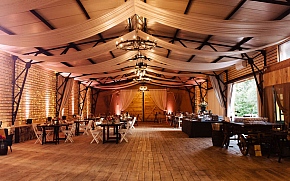
Ranch Kurilovec is a new event venue near Zagreb that moves business events from the hall into nature

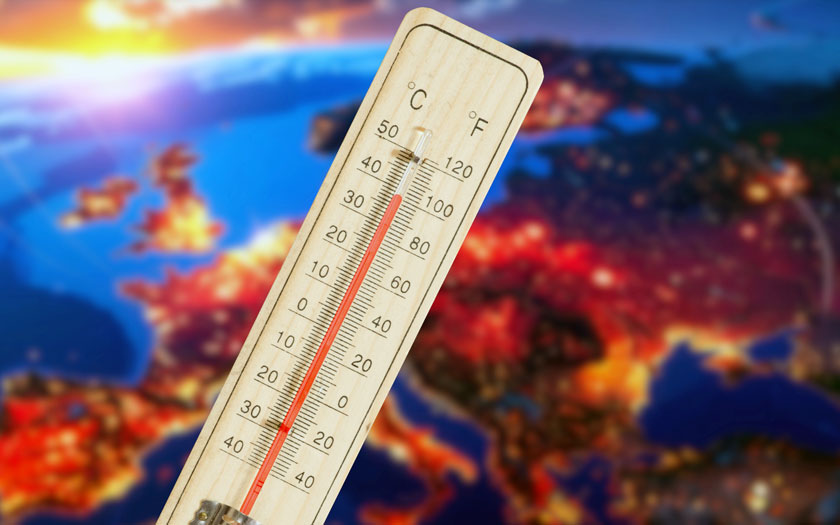
Have you also heard that "this summer was the coldest one in the next 40 years"? That statement personally caught me quite off guard. Now that temperatures have finally dropped, we are all still in a bit of shock from such a long, warm summer. The impact of climate change is felt in all areas of our lives and affects its quality – from health, nutrition, the importance of drinking water, infrastructure, energy prices and similar. However, it is equally becoming an increasingly important issue in the meetings and incentives industry and event industry.
For years, the conversation about climate change in the meetings industry was mostly conducted through sustainability – waste reduction, recycling, carbon footprint, single-use plastics and long-term ESG goals. These are all still important topics; however, in recent years climate change has been taking on a very concrete dimension: what happens when the temperature on the day of a conference exceeds 35 or 40 °C, when an outdoor programme cannot be organized due to wildfires, or when infrastructure simply can no longer keep up with extreme weather conditions?
For the MICE industry, this means that a "plan B for rain" is no longer enough. Weather conditions are becoming part of risk management, destination selection, budgeting and participant experience.
From rain plans to extreme climate conditions
Event organizers have always accounted for weather risks. There was a backup space for an outdoor dinner, a marquee for rain or an extra day for set-up. However, the problem is that extreme weather conditions are increasingly not the exception, but a factor that needs to be considered during the very first conversation with a client.
An example cited in an article by M&IT Magazine - a major international congress organized by PCO Kenes Group, which took place in Lille, France in June 2026 – showed how much a heatwave can affect a large-scale event. At a congress with more than 6,000 attendees, temperatures approached 40 °C, and organizers faced limited air conditioning capacity in hotels, restaurants and public spaces, overloaded cooling systems and electricity supply issues. Demand for water also increased, while a related outdoor sports event had to be cancelled due to health risks.
It does not have to be an event on such a grand scale. In "small" Croatia, very similar things can happen with smaller congresses. An example is a scientific symposium held in early July in Split, where a PCO representative highlighted as an important lesson that "for future summer events, extra attention should be paid to greater availability of drinking water throughout the entire programme".
The lesson is not that summer events should be abandoned, but that climate resilience needs to be planned just as seriously as safety, accessibility or technical production. For an organizer, this can mean a backup indoor venue, a flexible schedule, the ability to relocate activities quickly, additional shaded areas, sufficient quantities of water, catering adjustments, high-quality ventilation and air conditioning, as well as clear protocols for extreme temperatures.

The venue is no longer just a space, the resilience of the entire system matters
A convention centre can function perfectly, but the participant experience will be poor if they cannot get a good night's sleep in their hotel due to the heat, if transfer to an evening programme is uncomfortable or if outdoor networking is organized without enough shade and options for refreshment.
Therefore, when choosing a location and destination, very specific questions will be asked more and more frequently:
A particular challenge is posed by historic buildings and protected heritage sites, which are often among the most attractive European event venues. Installing modern cooling systems in such properties can be technically, financially and regulatorily very demanding. Croatia, with a large number of historic locations used for events, is no exception. There is also the issue of dilapidated and outdated power grid infrastructure at a national level.
At the same time, climate resilience can also become a competitive advantage. An event venue that can prove it is prepared for extreme conditions has something very concrete to offer an organizer.

Is the climate also changing the conference calendar?
In Croatia, the seasonality of tourism is (and always has been) a topical subject, with meetings industry being mostly reserved for pre- and post-season periods. It seems there is no major risk for the conference season here. However, over the past few years, numerous business events have very frequently leaned onto the peak tourist season and been organized at a time when event attendees can extend their stay into a summer holiday.
Zagreb is one example that has a fairly high number of business events in July. However, heatwaves raise questions that were previously not crucial when planning city events: how much do attendees walk between hotels, working and evening venues, are there air-conditioned areas for waiting and registration, and how to organize outdoor activities when the temperature becomes a health risk.
On the coast, the situation is further complicated by high temperatures, drought and an increased risk of wildfires. A destination offering an attractive outdoor programme to an organizer must simultaneously be able to provide a high-quality alternative if weather conditions prevent its realization.
If June and July are increasingly associated with extreme heat, organizers might still prefer spring and early autumn once again. This creates additional pressure for the majority of events to start concentrating into a few "safer" months. April, May, September and October could become even more in demand, meaning even greater competition for conference hotels, conference and event venues, higher prices and fewer available dates. For destinations that traditionally rely on the spring and autumn conference season, this can present an opportunity, but also a challenge if demand exceeds existing capacity.
Climate resilience is becoming part of the event experience
For a conference attendee, in the end, what matters most is not how technically sophisticated the conference venue is, but how they felt in it. Was it too hot? Was there enough water? Were they able to reach the hall without hassle? Was networking on the terrace pleasant or exhausting?
That is why the concept of luxury in the event industry is gradually changing. In extreme weather conditions, luxury can mean very simple things: shade, available water, a pleasant temperature, good ventilation and the freedom of choice.
Technology can help in this regard – from smart HVAC heating, ventilation and air conditioning systems, monitoring temperature, humidity and air quality to weather forecasts, event apps and timely notifications to attendees about schedule changes. However, technology cannot substitute for infrastructure that is not prepared for the new climate conditions.
For organizers and conference venues today, it is therefore crucial to have a plan for the climate conditions in which the event will actually take place, alongside a plan for bad weather. This means that climate risk needs to enter the budget, contracts, date selection, destination assessment, technical specifications, communication plan and risk management. For the Croatian meeting industry, this can also be an opportunity – if it adapts in time and turns its resilience into a new value for international organizers.