How to find the ideal event venue? Get multiple offers in just 3 steps with Event Asistant

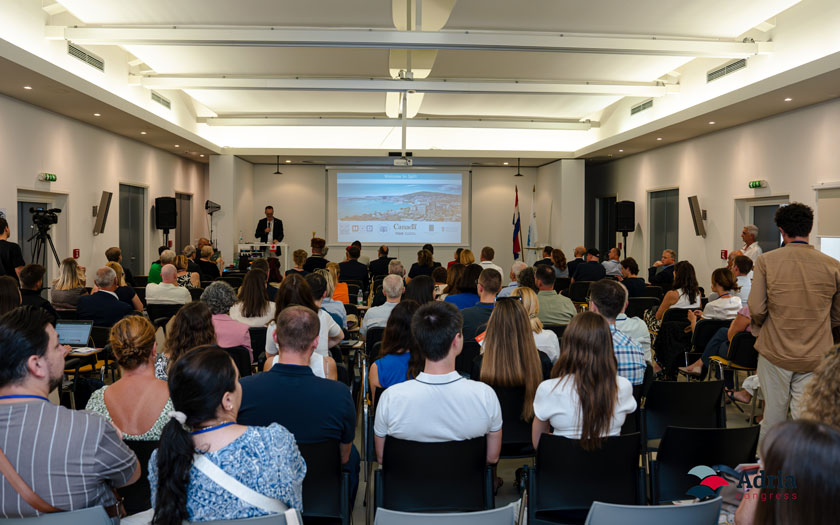
When organizing an international scientific gathering featuring the world’s leading experts in artificial intelligence, medicine and the pharmaceutical industry, success depends, of course, on the quality of the program, but an equally important role is played by precise logistics, financial management, coordinating a large number of participants and the ability to find solutions to unforeseen situations at any moment.
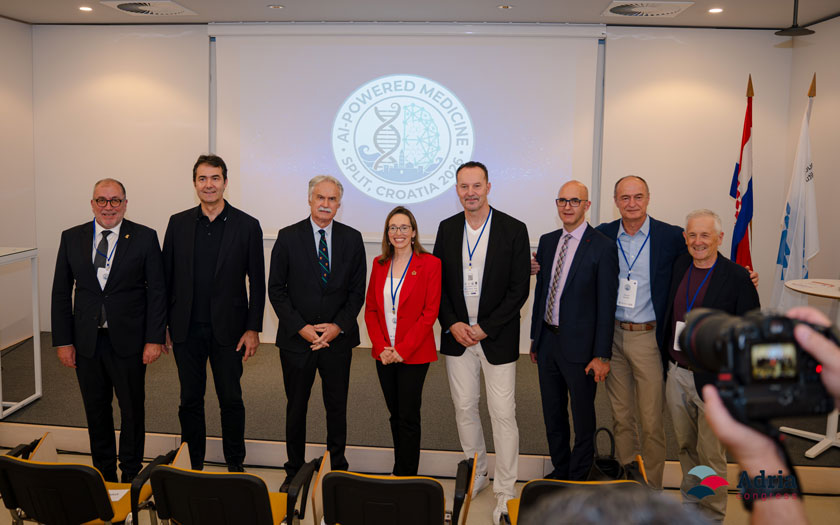
All of this was demonstrated by the international symposium AI Powered Medicine, held in Split and organized by the Mediterranean Institute for Life Sciences (MedILS) of the University of Split, while the professional congress organization (PCO) was managed by the Adria Congress agency. The symposium gathered around 150 participants from 14 countries in Europe and across the world, including the USA, Canada, the United Kingdom, the United Arab Emirates, Germany, Austria, Switzerland, Ireland, Estonia, Poland and countries from the region.
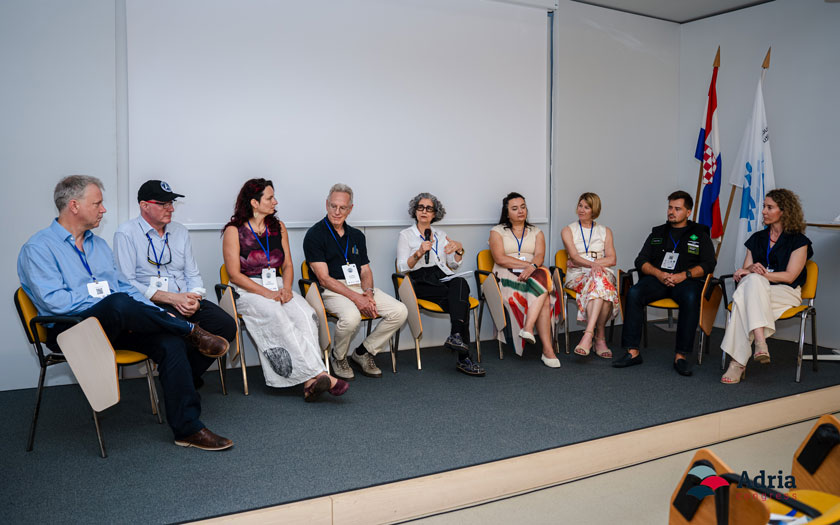
The main theme was bridging the gap between computational innovation and clinical drug development, namely how artificial intelligence is reshaping cancer biology, the development of new therapies and the future of precision medicine. The lecturers included some of the most prominent names from the global academic and industrial scene.
From candidacy to execution – PCO as an extension of the organizer's team
For Adria Congress, the project involved managing the event during its several days of operation, as well as providing months of support to the organizer through all the key preparation phases.
As Katija Ljubimir from Adria Congress points out, the agency took over participant tracking and registration, registration fee collection, sponsorship administration, budget management, organizing the arrival and accommodation of invited speakers, on-site coordination during the symposium and the final financial settlement.
Special attention was focused on international speakers. Their flights had to be synchronized with a highly precise schedule of lectures and panel discussions to ensure every speaker arrived on time, while maintaining an optimal travel itinerary.
"With experienced colleagues who have been organizing international travel for years, this part of the job went very smoothly. The lecturers were also able to find the flights that suited them best, and our task was to align their wishes with the symposium program and handle the complete travel arrangements," explains Ljubimir.
Choosing the location was also a major organizational advantage. In addition to modern event venues for the scientific program, MedILS provided accommodation for some of the lecturers in its own dormitory, which made logistics and daily transfers significantly simpler.
The power of local community partnership
One of the reasons for the successful execution was the high-quality cooperation of numerous local partners.
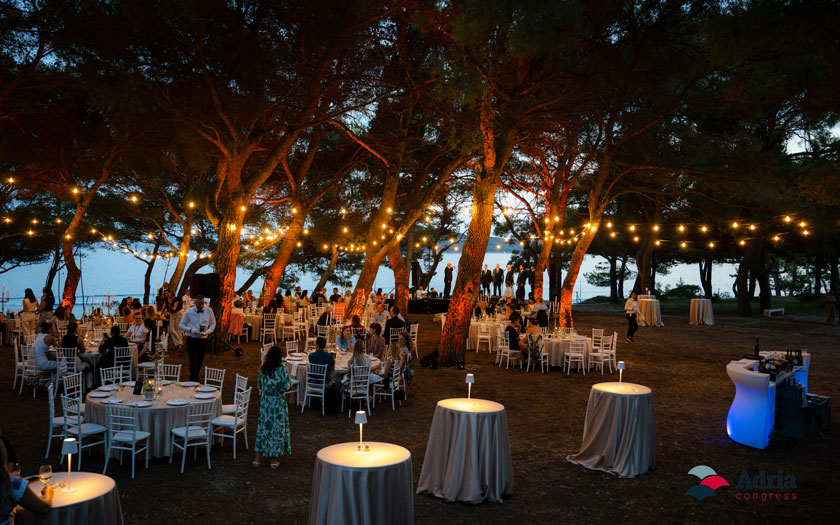
Alongside the MedILS staff who actively participated in the organization, an important role was played by the University of Split, the City of Split and Split-Dalmatia County. Their support enabled the organization of a welcome dinner in the unique setting of the Marjan forest and a visit to the Split Technology Park.
The operational team consisted of organizers from MedILS and Adria Kongres, technical support from Fortitudo Development, catering teams from the Student Centre Split and Catering Crni Mačak, while the opening ceremony was further enriched by the Sinj Klapa and the Alkars.
It is precisely this kind of coordination among different partners that shows how important it is for international congresses that a destination functions as a single organizational ecosystem.
Challenges that became examples of best practice
Although Katija Ljubimir points out that the entire project was marked by exceptionally good communication and a relaxed working atmosphere, organizing an event of this scale still brought several challenges characteristic of international congresses.
An unexpectedly high level of interest from participants led to registrations closing ahead of schedule due to the limited capacity of the hall. The organizing team found a simple but effective solution by reorganizing the seating layout, which secured enough seats for all attendees of the opening ceremony.
An additional challenge came from last-minute changes to the VIP guest list and drawing up the seating plan for the gala dinner, which was resolved by updating the final participant list just before the event began.
Weather forecasts also brought a particular sense of uncertainty. The day before the welcome dinner, Split was hit by heavy rain, so in cooperation with the Student Centre Split Catering, a detailed plan B for bad weather was prepared early in the morning. In the end, the evening took place under a clear sky.
Communication with sponsors was not without its challenges either, given that the medical and pharmaceutical industries are regulated by numerous rules. "It was necessary to respect their procedures and show a certain amount of patience, but thanks to good communication and flexibility, we always found a solution," says Ljubimir.
Digital solutions and small organizational lessons
Among the practices she would recommend to other organizers, Katija Ljubimir particularly highlights the use of a QR code printed on the back of the accreditation badge, through which participants could access the entire symposium program with a single click. This eliminated the cost of printing program booklets, and the information was always available in digital format.
As an organizational lesson, she mentions the importance of having an even better understanding of the procedures for collaborating with pharmaceutical companies and medical societies, while for future summer events, she would pay extra attention to ensuring greater availability of drinking water throughout the program.
She also highlights the experience of working with the scientific community: "This symposium confirmed to me once again how pleasant it is to work with scientists. Their gratitude for every sign of attention and their willingness to cooperate make the organization simpler, and any challenging situations are easily resolved through open communication."
The positive reactions of the participants further confirmed the value of this project. Many international guests used the time before the program started to explore Split, while the relaxed atmosphere throughout the symposium contributed to the successful realization of the scientific program at the highest international level.
Artificial intelligence was the main theme of the symposium, but behind its success was not technology, but people. The experience of Adria Kongres shows that top-tier international congresses are created where PCO expertise blends with a quality host, engaged local partners and open communication among everyone involved. Projects like this are the best proof that Croatia can host even the most complex scientific gatherings today, and that Split is a destination that offers organizational excellence alongside an attractive environment.