Plitvice Lakes: fewer visitors, higher revenue – a shift towards premium and sustainable tourism

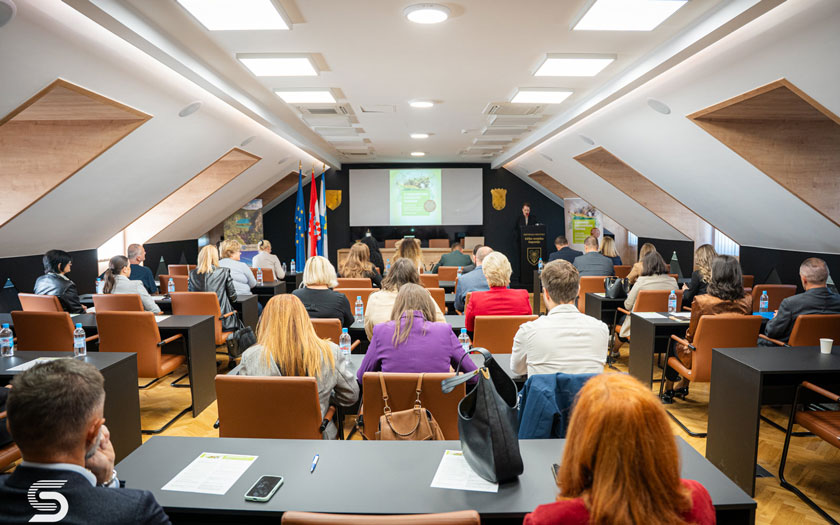
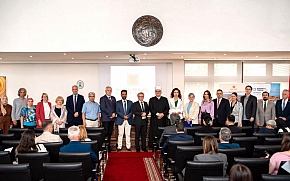
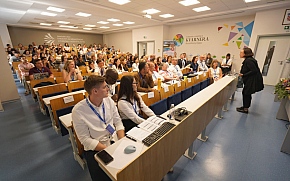
Ličko-senjska County and Gospić once again gathered leading experts, representatives of institutions, the scientific community and the tourism sector at the 4th Eco and Sustainable Tourism Congress, held from 1 to 3 October 2026.
The Congress was held as part of the economic event and exhibition "Autumn in Lika" under the high auspices of the Government of the Republic of Croatia and the Speaker of the Croatian Parliament, along with the patronage of the Ministry of Environmental Protection and Energy, the Ministry of Tourism and Sport, the Ministry of Agriculture and the Environmental Protection and Energy Efficiency Fund, which further confirms the value of the Congress as a national platform for discussion on sustainable tourism development and development strategies that shape the future of tourism in Croatian destinations and the promotion of the tourism offering. The Eco and Sustainable Tourism Congress is the largest national professional platform dedicated to sustainable tourism development, bringing together experts, institutions and the business sector since 2014 with the goal of creating a more sustainable future for Croatian destinations. The Congress is organized by LUX Promocija, in co-organization with Ličko-senjska County and the Ličko-senjska County Tourist Board.
At the center of this year's Congress was the topic "Sustainable Event Tourism", namely the question of how events can become a powerful tool for the development of destinations, the local economy and the community. Events today go beyond their traditional promotional and entertainment role. If set up professionally, events can serve as a development tool contributing to heritage preservation, strengthening the local economy, community involvement, expanding the tourism offering and creating authentic experiences that encourage visitors to arrive, but also to return. At the same time, events connect the local community, tourism, culture, entrepreneurship and gastronomy, contributing to building a destination's identity and visibility, including top-tier promotion. The sustainability of events is not measured solely by their environmental impact, but also by the long-term value they create for the local population, economy and local area, said Sunčana Matić from LUX Promocija, author and initiator of the Eco and Sustainable Tourism Congress, in her opening address to the gathered attendees.
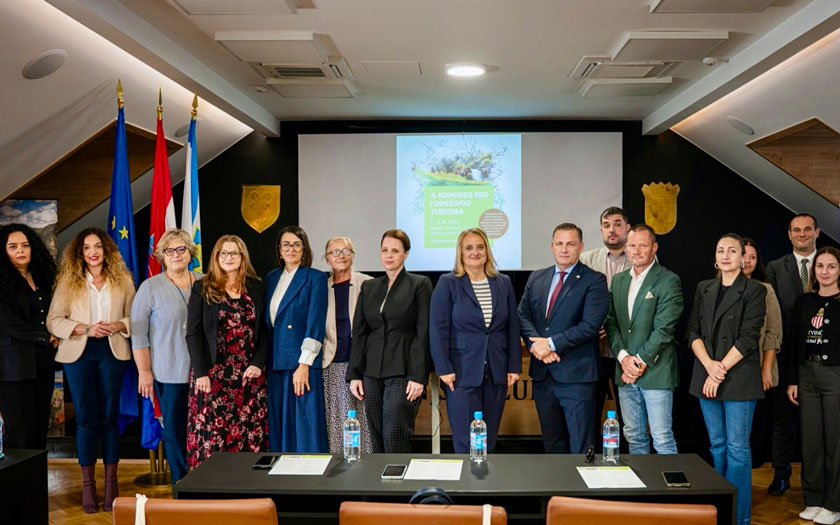
A special emphasis of the Congress was placed on the cooperation between tourist boards, local and regional self-government units, the cultural sector, associations, entrepreneurs and residents. Connecting diverse stakeholders opens up space for developing innovative tourism products, extending the tourist season, distributing tourism activities more evenly and positioning rural destinations more strongly - emphasized Ivan Radošević, Director of the Ličko-senjska County Tourist Board, co-organizer of the Congress, in his welcoming speech, inviting attendees as a host to enjoy the atmosphere of "Autumn in Lika" and high-quality Lika products optimal for health. An important part of sustainable event tourism is gastronomy. Healthy food, local products, traditional dishes and culinary heritage represent a story about the land, the people and cultural and historical heritage. By connecting them with events, local value chains are created that link producers, caterers and tourism stakeholders while simultaneously preserving tradition and destination identity. Holding the Congress as part of "Autumn in Lika", one of Croatia's most recognizable events that for 28 years has connected local production, tradition, rural development and the preservation of cultural heritage and identity of Ličko-senjska County, further emphasized the importance of events for the local community and the area in which they take place, stated Ana Stilinović Rukavina, Head of the Administrative Department for Economy, Maritime Domain and Transport of Ličko-senjska County - co-organizer of the Congress - who officially opened the Congress with a welcoming address.
Through its program, the Congress addressed how events can become active drivers of the green transition, contribute to the development of the local economy and create new value for the community while preserving natural and cultural resources. Through expert and scientific lectures, a panel discussion on "Sustainable Events", a visit to Plitvice Lakes National Park and presented examples of good practice, a series of management models were highlighted that transform sustainability into a quality standard, in line with directions advocated by the European Commission and international standards for sustainable event management. During the three-day program, participants exchanged experiences and opened a dialogue on new development models that can make Croatian events more sustainable, competitive and resilient. The Congress once again confirmed the importance of connecting the public sector, the profession, the scientific community, tourism, the economy and the local population in creating sustainable tourism models that preserve destination identity while simultaneously creating new value for the community.
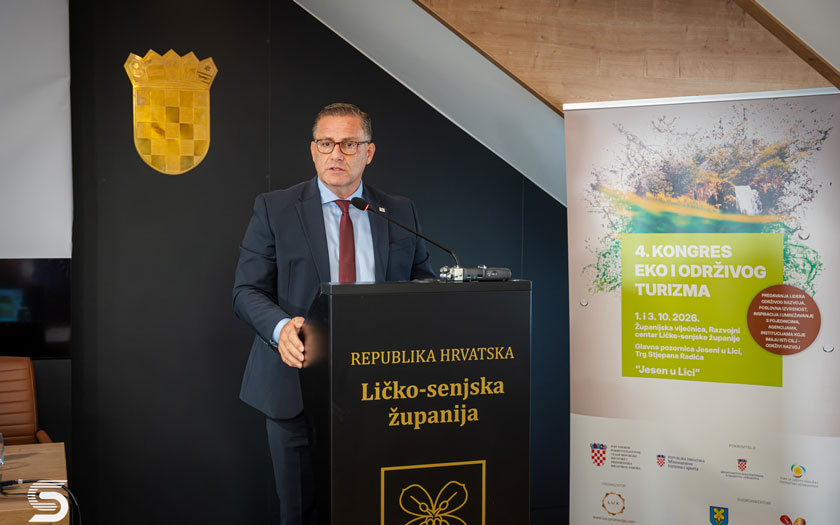
Congress program
The Congress program began with a topical, globally important subject - How to leave a mark in the community, not on the environment? From an idea to an ecological standard: Sustainable management of tourism events was the title of the introductory lecture delivered by Assoc. Prof. Ivana Restović, PhD, on behalf of the Transdisciplinary Centre for the Promotion of Sustainable Development - OdRaST, Faculty of Humanities and Social Sciences, University of Split. How to organize tourism events that deliver economic and social value without compromising the environment and the quality of life of the local community was one of the key questions of the lecture, delivered on behalf of Dr Restović by Assoc. Prof. Ivanka Buzov, PhD. It was highlighted that sustainability is no longer an added value, but the foundation of responsible event management, from planning and waste management to transport, resource usage and spatial protection. Particular attention was drawn to the consequences of environmental neglect, with a reference to the case of illegally dumped hazardous waste in Lika, which clearly shows how closely nature, public health and a destination's tourism image are interconnected. It was concluded that new generations must take an active role in creating more sustainable events, with clear standards, organizer accountability and zero tolerance for actions that endanger the environment and human health.
The role of events in the sustainable development of rural tourism was at the core of the lecture by Prof. Elena Rudan, PhD, from the Faculty of Tourism and Hospitality Management Opatija, University of Rijeka. It was pointed out how events can link local heritage, the community, entrepreneurship and the tourism offering while generating authentic experiences based on local stories, customs, gastronomy and local knowledge. Special emphasis was placed on involving local stakeholders in content creation so that tourism benefits remain within the community. Using the CROCUS project as an example, the potential of creative tourism and the Living Lab approach in developing new tourism products, sustainable business models and long-term partnerships was highlighted. It was concluded that the success of events is not measured solely by visitor numbers, but by their long-term contribution to preserving heritage and identity, developing entrepreneurship and creating reasons for repeat visits to the destination.
The agora is not merely a space where we meet- the agora is a question of how prepared we are to take responsibility for the society to which we belong. Precisely this connection between personal responsibility and the common good was at the center of the lecture by Prof. Marita Brčić Kuljiš, PhD, from the Centre for Human Rights Research and Education, Faculty of Humanities and Social Sciences, University of Split. Starting from the ancient agora as a venue for public dialogue, decision-making and shaping society, the lecture raised the question of what this concept means in a contemporary context. The agora was presented as a symbolic space where personal interests and community needs meet, alongside the responsibility of each individual not to jeopardize the common good. The need to step out of the comfort of privacy and actively take responsibility for society and the surrounding world was particularly emphasized. In this sense, the agora today is not just a physical location, but a "state of mind"- an individual's readiness to participate, engage in dialogue and act as a responsible citizen.
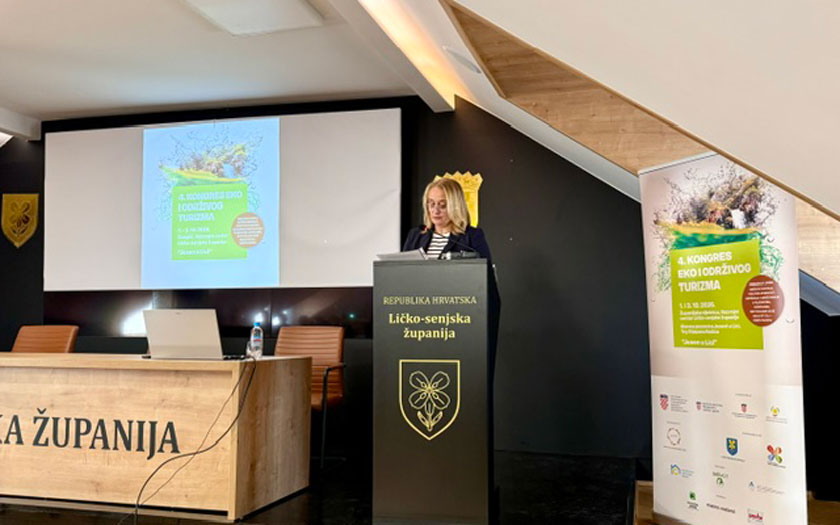
The International Children's Festival Šibenik, presented through a lecture by Jakov Bilić, Director of the Croatian National Theatre in Šibenik, was highlighted as one of the longest-running cultural events dedicated to children and children's creativity. Since 1958, the Festival has continuously linked theatre, music, dance, film, literature, visual arts, street arts and contemporary circus, turning Šibenik into a large open stage. A special value of the Festival is the active involvement of children, the development of creativity and the creation of a future audience. Its social, educational and economic roles were also highlighted, along with the expansion of programs beyond Šibenik, through which the Festival further contributes to cultural accessibility, the local community and the international visibility of the city, standing out as an exemplary model of a sustainable event.
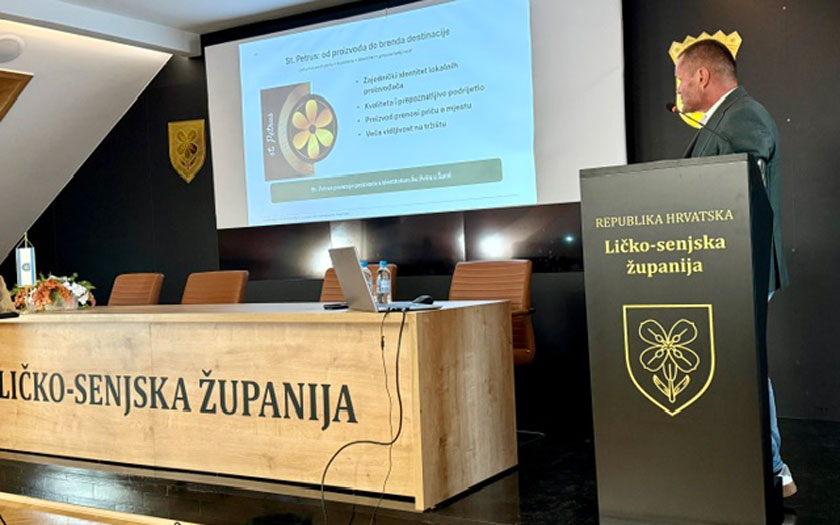
An engaging and educational lecture by Mario Bratulić, PhD, Mayor of the Municipality of Sveti Petar u Šumi, presented the project "With a sausage into the EU" as an example of how a traditional gastronomic event can grow into a powerful development tool for a rural destination. The International Sausage Fair connects local tradition, indigenous products, producers, the profession, tourism and international cooperation, with a special emphasis on enhancing product quality and competitiveness. Systematic sensory evaluation and education further contribute to producer development and quality standardization. The event has left a lasting footprint on the local community: Sveti Petar u Šumi today boasts seven approved facilities for meat processing and cured meat production. Through the development of the destination brand St. Petrus and the House of Sausages, the project has grown beyond the scope of a multi-day event to become a year-round tourism asset and an example of sustainable economic, social and tourism development.
Ana Kelek, Director of the Bilogora-Bjelovar Tourist Board, presented the Terezijana event as an example of a successful transformation of a local event into a recognizable tourism brand for the destination. Launched in 1996, over three decades Terezijana has connected the history of Bjelovar and the heritage of Empress Maria Theresa with contemporary music, gastronomy, street art and international programs. The city center thereby becomes an open stage, with visitors as active participants in the experience. The jubilee 2026 edition attracted around 200,000 visitors and achieved a significant economic impact, confirming the event's potential as a driver of local tourism. Today, Terezijana transcends festival boundaries, systematically contributing to tourism visibility, economic development and Bjelovar's identity.
A lecture by Maja Šeparović, Director of the Blato Municipality Tourist Board, and Ivana Sardelić, Director of the Blatski fižuli cultural institution, presented the event "Flavours and Scents of Homeland - Blato Wine and Dine" as an example of successfully linking heritage, gastronomy and sustainable development in an island destination. Launched in 2021, the event valorizes authentic products and the tradition of Blato, from wine and olive oil to traditional lumblija cake, highlighting the indelible link between islanders, the land and heritage preservation. Through cooperation among local winemakers, family farms (OPGs), associations and institutions, the event preserves cultural heritage, promotes sustainability and creates assets for future generations. "Flavours and Scents of Homeland" ainsi becomes a strong tool for promoting Blato and Korčula as traditional, yet modern and sustainable tourism destinations.
The Director of the Crikvenica Town Tourist Board presented the project "Blue Fish Road" as a successful example of turning fishing heritage into an authentic, year-round tourism experience. Launched in 2012, the project connects local gastronomy, tradition and Crikvenica's identity, relying on fresh blue fish and traditional recipes. Through the development of Blue Fish Week, later Blue Fish Month and the Crikvenica Food & Wine Walk event, the project contributes to extending the tourist season and activating the Riviera space. Through cooperation among local caterers, the community and different generations, the Blue Fish Road preserves intangible heritage, fosters a sustainable relationship with marine resources and strengthens Crikvenica's recognition as an authentic Mediterranean destination.
Ivana Galant from the Svetvinčenat Municipality Tourist Board, Marina Benčić Matika from the Municipality of Svetvinčenat and Nives Cetina from Savičenta d.o.o. presented the Medieval Festival as an important example of connecting cultural heritage, tourism and local community development. Through an authentic interpretation of history, involvement of local stakeholders and an attractive program, the festival valorizes the identity of Svetvinčenat and attracts domestic and international visitors alike. Special emphasis was placed on accessibility, sustainable resource management, preservation of tradition and active community participation. Organized in the distinctive setting of the old Morosini-Grimani castle, the festival transcends the framework of a tourism event: it contributes to the local economy, strengthens destination visibility and creates space for long-term integration of heritage, modern tourism and the quality of life of local residents.
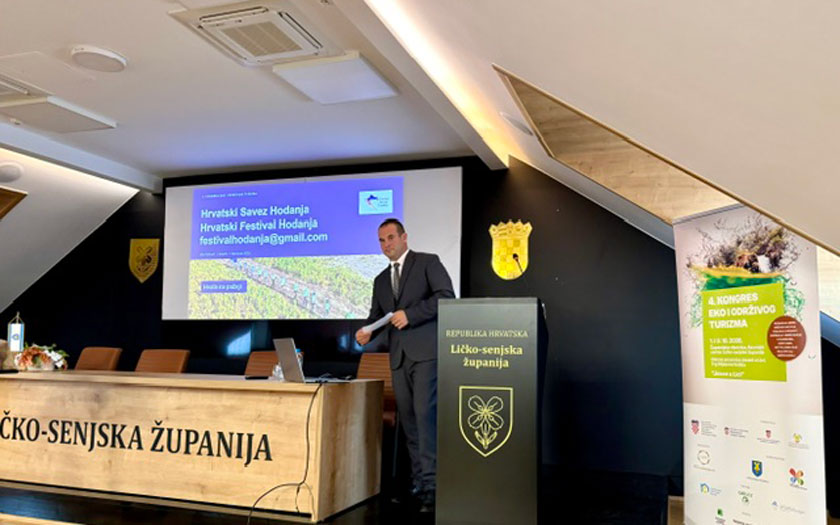
Secretary of the Croatian Walking Association, Mile Milković, presented the Croatian Walking Festival as an example of how a local initiative can grow into an internationally recognized event for sustainable tourism. The festival connects the international walking community with the nature, heritage and people of Lika, turning walking into a motive for exploring the destination, staying longer and consuming local products and services. By joining international walking organizations, local trails and Lika's identity gained global visibility, alongside the development of the Tesla and Ante walking routes. A special value of the festival is the active involvement of the local community, volunteers, caterers and producers. Sustainability is implemented through public and shared transport, reduction of single-use plastics and donation of surplus food. The key message of the festival is that international recognition only gains full meaning when it creates lasting value for the destination - encouraging arrivals, extending stays, strengthening the local economy, preserving space and heritage, and connecting visitors with hosts who showcase Lika as a unique, heritage-preserved destination. From the first step to a complete experience, the festival serves as a positive example of a sustainable event—demonstrating how sustainable tourism can simultaneously connect health, natural and cultural resources and the community, contributing to effective destination development.
Key message and conclusions of the Congress
The key message of the 4th Eco and Sustainable Tourism Congress on the subject of sustainable events is that the success of tourism events can no longer be measured exclusively by visitor numbers, generated revenue or media visibility. The true value of an event is reflected in everything that remains in the destination and local community after the program ends—in preserved heritage and natural resources, a stronger local economy, new partnerships, acquired knowledge, a higher quality tourism offering and the active involvement of residents. Sustainable event tourism must be based on long-term and responsible planning, cooperation among all stakeholders, and systematic monitoring and analysis of economic, social and environmental impacts. An event should create new value while responsibly managing space, resources and the burden it brings to a destination.
In this context, the need for the systematic inclusion of sustainability criteria in public support programs and event funding models was emphasized, while avoiding greenwashing.
The Congress therefore defined recommendations for different management levels:
The goal is for sustainability to become an integral and measurable element of planning, evaluating and funding events at all levels, thereby encouraging a more responsible event organization, more efficient use of public funds and the creation of long-term value for destinations and local communities.
Special attention must be paid to measuring and reducing the environmental footprint of events, responsible use of natural resources, waste management, traffic and energy, as well as the contribution of events to the local economy, community and destination development. Through such an approach, the public support system can become a transparent and stronger tool for encouraging responsible development of tourism events. Events can thus evolve from short-term happenings into long-term development platforms connecting tourism, the economy, culture, heritage and the local community.
Precisely the ability to create lasting value while reducing negative impacts on space and resources will be one of the key quality and resilience indicators of future Croatian tourism.
The Congress is accompanied by a special edition "Proceedings of Abstracts of the 4th Eco and Sustainable Tourism Congress", bringing an overview of topics and professional contributions presented during the Congress. Those interested in a free copy of the Proceedings can contact via email: info@lux-promocija.com.