Seasonal flavours by chef Ana Grgić Tomić – Le Bistro unveils a new à la carte menu

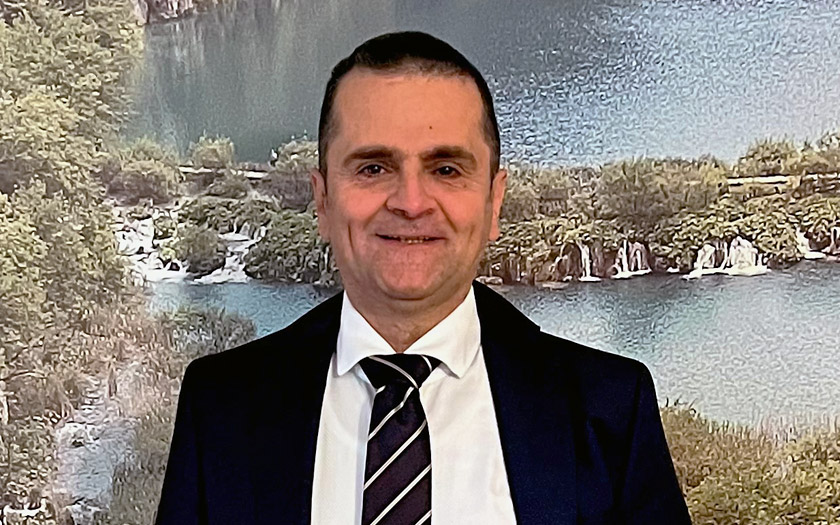
Plitvice Lakes, Croatia’s oldest and most visited national park, has been listed as a UNESCO World Natural Heritage Site since 1979 and in recent years has been undergoing a transformation towards more sustainable, higher-quality tourism. Rather than focusing on increasing visitor numbers, the emphasis is now on better visitor management, developing a premium offer, upgrading accommodation capacity and strengthening the congress segment. The real momentum is expected to come with the renovation and reopening of the iconic Hotel Plitvice in the summer of next year, followed by the neighbouring Hotel Bellevue, which will elevate the park’s current hotel offer to five-star level and position Plitvice Lakes within the luxury tourism market.
In this interview with Tomislav Kovačević, we look at current performance, ongoing investments and the long-term vision for the development of one of Croatia’s most important tourism brands.
Over the past few years, you have recorded a decline in visitor numbers at Plitvice Lakes. What do the current indicators show?
Before the coronavirus pandemic, we welcomed around 2 million visitors a year, which accounted for 10% of all tourist arrivals in Croatia. Today, that figure stands at approximately 1.5 million visitors. One of the reasons is that Far Eastern markets have still not recovered to pre-pandemic levels. As for visitors from other parts of the world, the figures remain stable.
No more overcrowding - half of all tickets are now sold online
With the investments now under way, you are signalling a shift towards quality and premium positioning rather than volume growth.
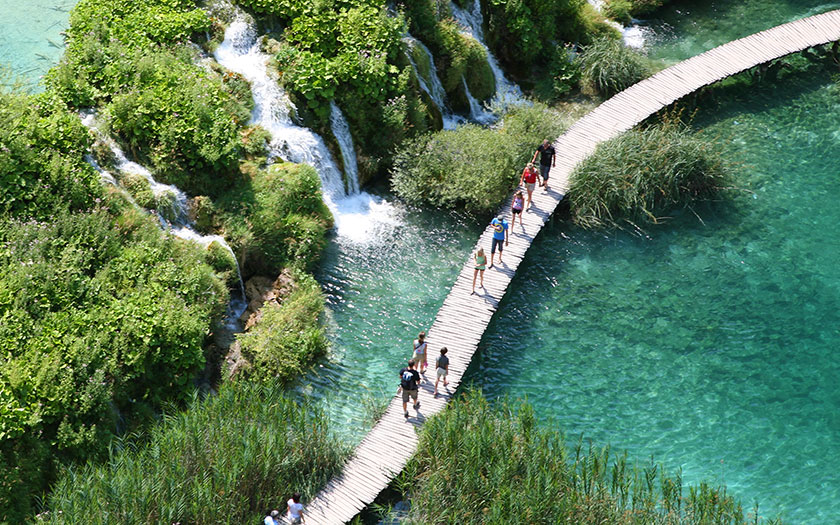
I believe anyone advocating for more visitors is simply being populist and does not truly understand the challenges of developing a national park and its destination. We introduced a visitor management plan and made online ticket purchases available. Today, around 50% of tickets are bought online and 50% at the ticket office. We organised entry by the hour, introduced circular visitor flows through the park and expanded the trail network, especially in areas where major bottlenecks used to form. We also brought more order to the train timetable. All of these changes were aligned with UNESCO guidelines, helping us create a level of order that had previously been lacking. We have not experienced the kind of unbearable congestion seen in the past for quite some time now; there are no more long queues or waiting times.
What is the current share of revenue from entrance tickets, and what share comes from hospitality – accommodation, gastronomy and additional services?
At present, 55% of revenue comes from entrance tickets, while 45% comes from commercial operations – hospitality and retail. In recent years, the hospitality side has grown significantly. Entrance tickets once accounted for the dominant share of income, whereas we have now raised the commercial segment to 45%. Our hospitality portfolio includes four hotels, two campsites and restaurants. At the moment, only Hotel Jezero is open, as the others are either being renovated or awaiting the start of renovation works and are therefore not available for commercial use.
How do you generally balance growing tourism demand with environmental protection?
We aim to encourage guests to stay longer, and the renovation of our accommodation facilities, beginning with Hotel Plitvice, marks the start of a new chapter. More than seven years ago, we completed the reconstruction of part of the drainage system connecting our facilities with the park’s central zone, while the local municipality signed an agreement with Hrvatske vode for the agglomeration project, which should be completed over the next few years.
Expanding congress capacity and growth in the MICE segment
You mentioned that the congress segment has seen strong growth this year.
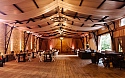
Yes, MICE has grown by more than 35% this year, and we also recorded growth last year. We are planning to invest in the congress infrastructure at Hotel Jezero at the end of the summer, ahead of the autumn part of the season. Our largest hall, which currently seats 250, will be expanded by another 100 seats and equipped with new audiovisual technology.
We see strong potential for further growth in congress tourism. We are located in the heart of Croatia, between the north and the south. People like organising conferences here because participants stay together and do not disperse. All congress attendees are given an organised tour of the park, while effectively remaining engaged in the event throughout, which is exactly what organisers want.
Apart from touring the park, what do congress organisers most often request?
There are many evening parties and traditional dinners at the Lička kuća national restaurant. By expanding the largest hall at Hotel Jezero, we will strengthen our position in the most in-demand MICE segment, the congress market, while the renovation of Hotels Plitvice and Bellevue will allow us to enter the luxury events market.
A national park open to everyone, with a premium accommodation
The start of the Hotel Plitvice renovation project has been announced for quite some time, even before the pandemic. What caused the long delays, and when will the hotel open?
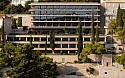
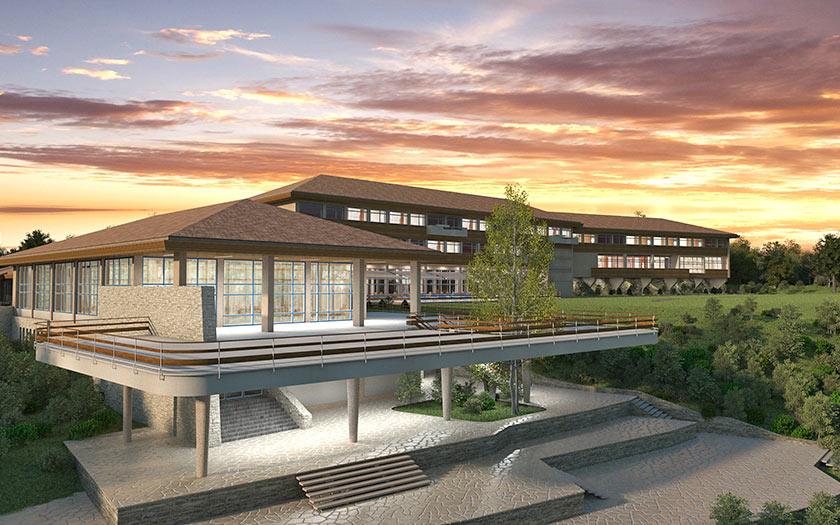
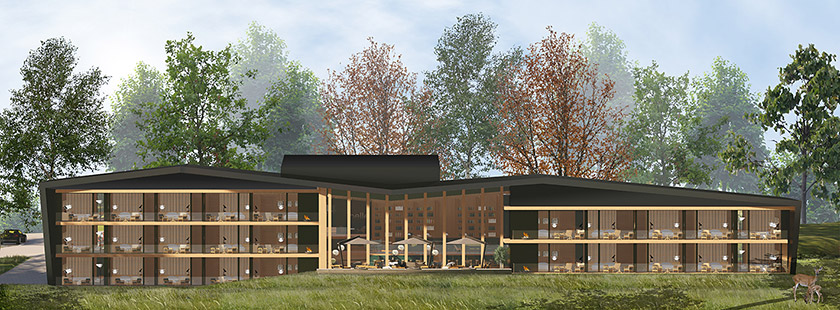
Hotel Plitvice will be a five-star boutique hotel with a wellness area and two congress halls, and we expect this to support the development of year-round, high-category tourism. Historically, it was the first top-category hotel in the former state – equivalent to today’s five-star standard. We consider it a masterpiece by our renowned architect Marijan Haberle, and now we must restore it to its original appearance, which makes the works particularly complex. However, the rooms will be spacious and comfortable, and I believe the hotel will shine once again.
Apart from the pandemic, which delayed all investment activity, one of the reasons for the long timeline is that we had to repeat the contractor tender three times. The bids we received exceeded the estimated value. Only the most recent tender was successful, the contract was signed last year, works are under way, and we expect Hotel Plitvice to open in July 2027.
What is the current procedure regarding the start of the Hotel Bellevue renovation?
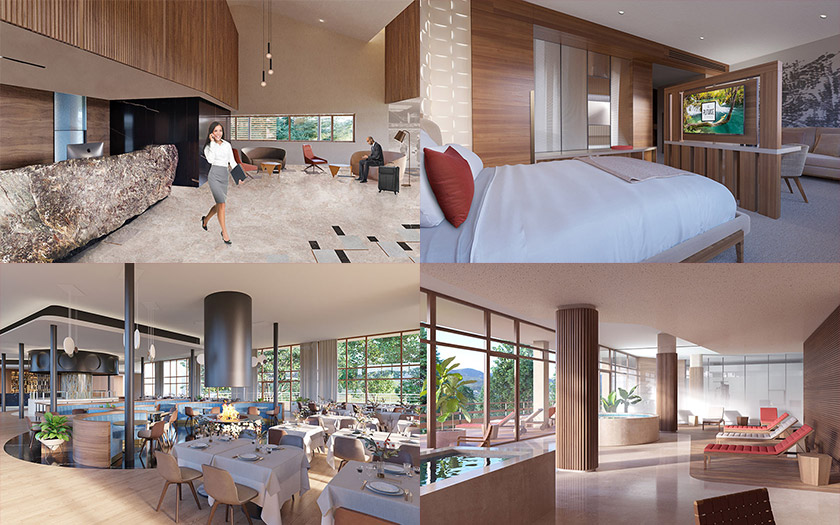
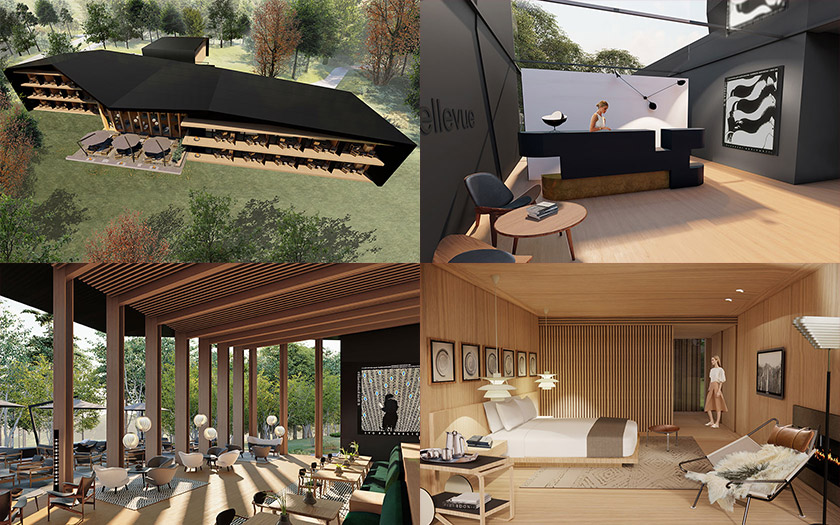
Hotel Bellevue has also passed the tender stage, and we expect the competent authority to approve the renovation project, especially since we have already secured our own budget funds. It would not be ideal to renovate and open the five-star Hotel Plitvice only for works on the neighbouring Hotel Bellevue to begin afterwards, because guests expect peace and quiet in order to enjoy the full stay experience.
With both hotels, we are targeting higher-spending guests, and Hotel Bellevue will allow us to enter an entirely new premium tourism segment at Plitvice Lakes.
Plitvice Lakes has long been seen as a “park for the people”. It will remain exactly that, open to everyone, but with an added touch of luxury.
The new boats will also fit very well into this wider story. Three new boats are being built for us, and we expect to receive the first two this summer. They will be an excellent addition to the luxury offer. These are solar-powered electric boats that will also be suitable for hosting banquets and smaller events.
That still leaves two hotels to renovate, Jezero and Grabovac, the latter outside the park. Are there concrete plans for them as well?
The reconstruction of Hotel Grabovac will come after we complete the renovation of the hotels inside the park itself. At Hotel Jezero, our largest hotel, we have already completed an investment in air-conditioning for all rooms and other areas. Until very recently, it was practically unthinkable that you would need air-conditioning in Lika.
What will the renovation of the first two hotels bring in terms of positioning and increased revenue from the hospitality segment?
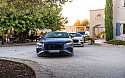
It will certainly lead to revenue growth. We already receive enquiries for luxury accommodation, and in summer, luxury cars and vans arrive daily from Zagreb, Zadar and even Dubrovnik, bringing guests who stay in five-star hotels. We will now be able to offer these guests a stay of their own here – a special two- or three-day experience. Under the spatial plan, we are not allowed to have swimming pools, but we will have a spa centre for relaxation.
More than 50 family farms supply us with locally produced food
Lika is known for its authentic gastronomy. How many restaurants are currently operating within the national park? Are there plans for anything new in this area?
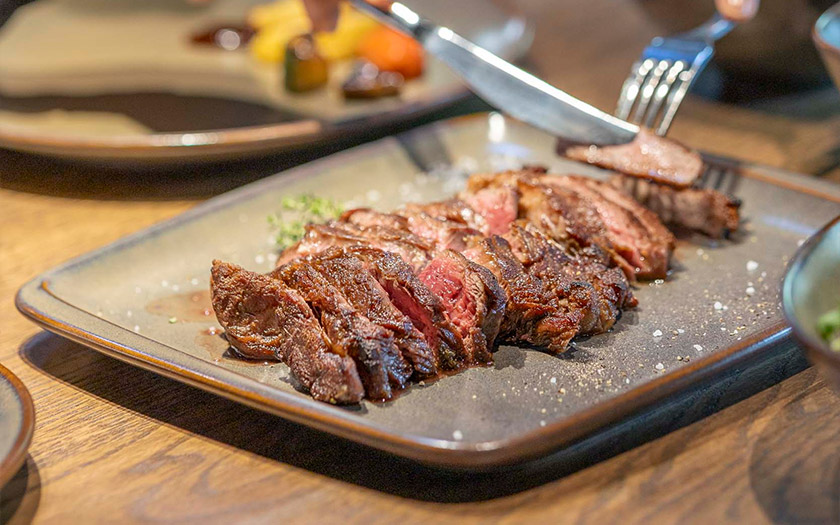
We have significantly elevated the gastronomic offer of Plitvice Lakes National Park. Our two restaurants – Lička kuća and Black River – have been included in the French culinary guide Gault&Millau. Black River is a newer restaurant, opened two years ago, with a menu focused on 55-day dry-aged steaks and pasta, and it has proven to be an excellent move.
We have also improved the quality of the hotel restaurant at Hotel Jezero. At the Vučica bistro and pizzeria, located at our ski area near the sports grounds, we serve excellent pizza. There is also a range of smaller fast-food outlets both inside and outside the park zone. A few years ago, we renovated Restaurant Borje, a well-known stop on the route to the coast. Restaurant Korana, located at Camp Korana and aimed at higher-spending guests, is also a very representative venue.
Raising quality is impossible without a strong workforce, and the entire tourism sector is currently struggling to recruit skilled staff. How are you dealing with this?
When I took over as Director in 2018, we launched our own gastro academy to train our staff. At the same time, we provide scholarships to all students attending the local secondary hospitality school, which is one of the ways we build our talent pipeline, although it is still not enough. Over the past two years, we have also employed foreign workers from the Philippines, who have proven very good, but we would still prefer to have more young people from Croatia in our workforce. We believe that our scholarship recipients will remain in our system once they enter the gastro academy programme.
It is also important to say that we have done a great deal to introduce local food and local ingredients, so that more than 50 family farms now sell their products through our system. We are also working to ensure that not only the park, but the entire Lika destination, becomes globally recognised as a destination of protected areas and gastronomy. We sell local food carrying the Lika Quality label. This is our regional food certification, similar to schemes used in Austria, and it has proved to be well recognised in the market.
Nature protection comes first
Do food quality inspectors visit you in the same way that UNESCO inspectors do, checking whether you are adhering to the strict standards for nature and environmental protection?
Yes, of course. You cannot allow everything and anything, because that defeats the whole purpose. It is similar to the UNESCO list of protected sites, which is globally respected, but not just anyone can be included on it. Some people argue that we should simply abandon all of this and allow any number of visitors to enter the national park every day.
But this is a different issue altogether. Tourism boards and local municipalities did not pursue a smart tourism development policy, so we ended up with around 12,000 beds across the four municipalities bordering the park. That created an oversupply of accommodation, and from that come these misguided ideas that visitor numbers should not be limited. In other words, because of poor decisions made in the past by local authorities and tourism boards, we are now apparently expected to jeopardise this natural wonder. We, however, follow UNESCO guidance. This is a protected area, and without this extraordinary nature there would be no need for accommodation in the first place. Nature is the essence, not the number of beds.
Sustainable tourism is a key phrase in all recent tourism development strategies. But what does it really look like on the ground?
Around 2014, a great deal of development here began in a rather uncontrolled way, mostly private accommodation. It really happened without proper oversight. Through the national park’s policy, we managed to curb that growth to some extent. However, we still reached around 12,000 beds, and now, even in the peak of summer, there is unoccupied accommodation available.
I believe Lika has a strong future in tourism, but only if it develops intelligently, both in tourism terms and architecturally. We need to develop alternative tourism products such as adventure parks, various sports services, cycling, horse riding, walking and hiking. But they need to be developed gradually, so that we do not see the kind of hyperinflation that happened with accommodation capacity.
Building a globally recognised destination of protected areas
As a national park, you have been working on sustainability for many years – from solar power plants to electric boats, labels and Green Destinations certification. What have been the most concrete changes you had to introduce, and what are your plans going forward?
The sustainability system is quite complex – from the green energy we use, not entirely but increasingly with every year, to vehicles, the transport fleet, water consumption, heating and waste separation. For example, Hotel Jezero was one of the first hotels in Croatia, alongside Zagreb’s Esplanade, to introduce the Zero Waste Food concept.
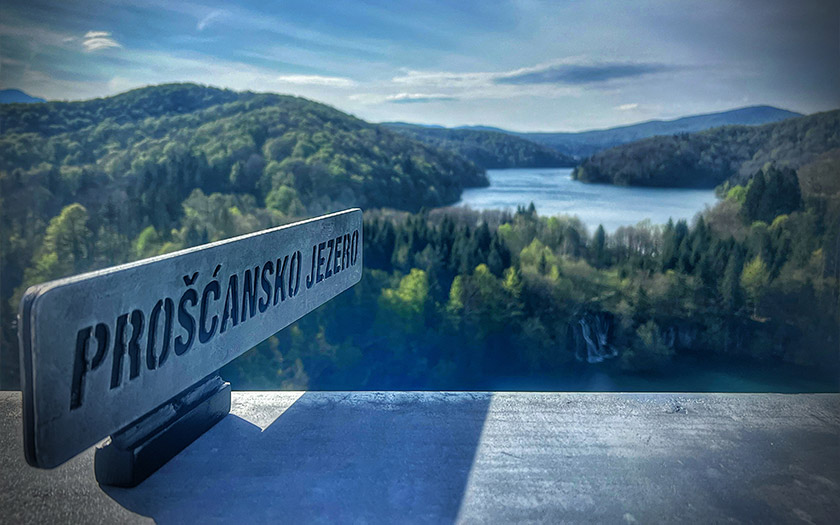
What would your long-term vision for the development of the national park be – greater exclusivity or controlled growth?
Definitely controlled growth. This beauty we have been given must remain accessible to everyone, regardless of spending power. But when it comes to the offer itself, it has to move to a higher level, and that is what we are working on. Our mission is to support the local community and local farmers, and to use more local food. Our goal is not to remain only a transit or day-trip destination. In Lika, longer-stay tourism is becoming increasingly important. The connection with local gastronomy and food production is really the essence of the whole story.
The branding project positioning the area as a world-class destination of protected areas, which we launched ten years ago, is clearly moving in the right direction. In a relatively small area of Lika, there are three national parks – Plitvice Lakes, Northern Velebit and the northern part of Paklenica. In addition, there are nature parks, a cave park and the Barać Caves. Lika certainly has strong prospects for sustainable tourism. Plitvice Lakes has a seven-decade tradition of nature protection, so more attention should now be paid to the areas bordering the national park, including service standardisation and stricter controls. The public speaks a great deal about tourism development, but nature protection must come above all else.