CRO Commerce 2026: How to prepare eCommerce for Black Friday and the era of AI

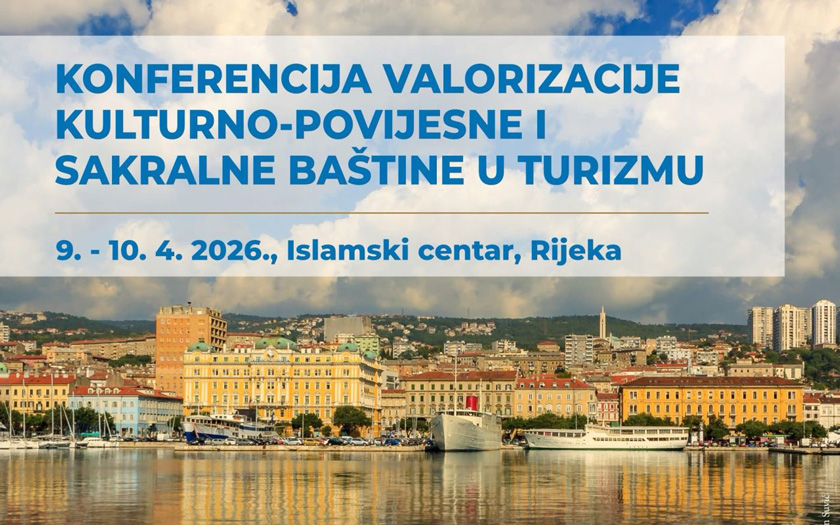
This year’s KultuRi 2026 conference – the Conference on the valorisation of cultural-historical and sacred heritage in tourism – is dedicated to culinary heritage as an important tourism resource and a powerful driver of the sustainable development of destinations.
Special emphasis is being placed on the role of gastronomy in preserving identity, creating authentic tourism experiences, and strengthening competitiveness in the global market.
At the press conference, the programme was presented by Sunčana Matić of Lux Promocija, Amira Kapetanović, advisor in the City of Rijeka’s Department for Economy, Development, Ecology and European Projects, Jelena Grubelić Kušeta of the Rijeka Tourist Board, and Velid Đekić of the Rijeka City Museum.
Sunčana Matić introduced the conference programme by highlighting that it has been structured around thematic sections and a series of lectures offering reflections on the past and on the importance of food as part of everyday life and identity.
She emphasised that the programme was designed to avoid the excessive commercialisation and touristification of culinary heritage, with a focus instead on its preservation and authentic interpretation.
She added that, although tourism can pose a risk of degrading space and heritage, it also offers an opportunity for revitalisation through high-quality gastronomic events that connect tradition with contemporary approaches. This year’s programme is based on Kvarner’s culinary heritage, inspired by its current title of European Region of Gastronomy, with the aim of rethinking its role in the future development of tourism.
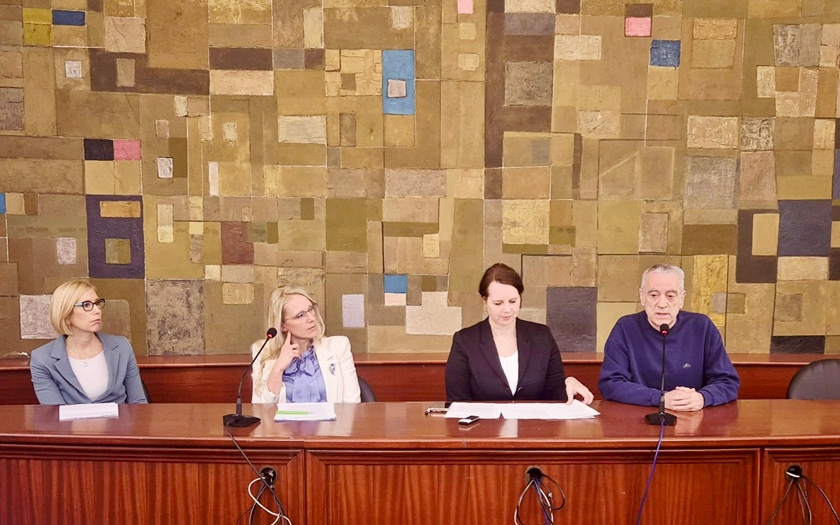
On behalf of the City of Rijeka, Amira Kapetanović expressed satisfaction that the city once again has the opportunity to support the conference, which will take place next week at the Islamic Cultural Centre in Rijeka and puts culinary heritage in focus as an important part of cultural and tourism identity.
Speaking on behalf of the Rijeka Tourist Board, Jelena Grubelić Kušeta said that Rijeka builds its recognisability on authenticity and on the combination of culture, history and multiculturalism, into which its rich gastronomic offer fits naturally.
She stressed that gastronomy today goes beyond basic needs and has become a key travel motivator and an important part of the destination experience, through indigenous flavours, local ingredients and traditional recipes that tell the story of the identity and way of life of the local community. She also underlined that the conference fits into the broader context of Kvarner holding the title of European Region of Gastronomy, which represents both recognition and an obligation to continue developing the quality and authenticity of the offer.
Velid Đekić announced a lecture on the connection between Rijeka’s industrial heritage and gastronomy, noting that Rijeka once had a highly developed food industry – from a sugar refinery and rice-husking facilities to chocolate and oil factories and numerous mills.
He emphasised that these industrial plants left a deep mark on the local culinary tradition, which can still be recognised in the well-known dishes and desserts of the Rijeka area.
His message was that this connection should be highlighted more strongly and more fully integrated into the city’s contemporary tourism and cultural offer.
The conference programme will include expert and academic lectures, examples of good practice, and panel discussions, while admission to all events is free of charge.
The central part of the first day’s programme, on 9 April, will be a panel discussion on the potential for developing culinary heritage as a sustainable tourism product, featuring Karin Mimica, Dražen Lesica and Zlatko Puntijar.
The programme also includes a number of lectures, including Velid Đekić’s presentation on Rijeka’s chocolate elephant, as well as presentations on traditional gastronomy and its tourism valorisation.
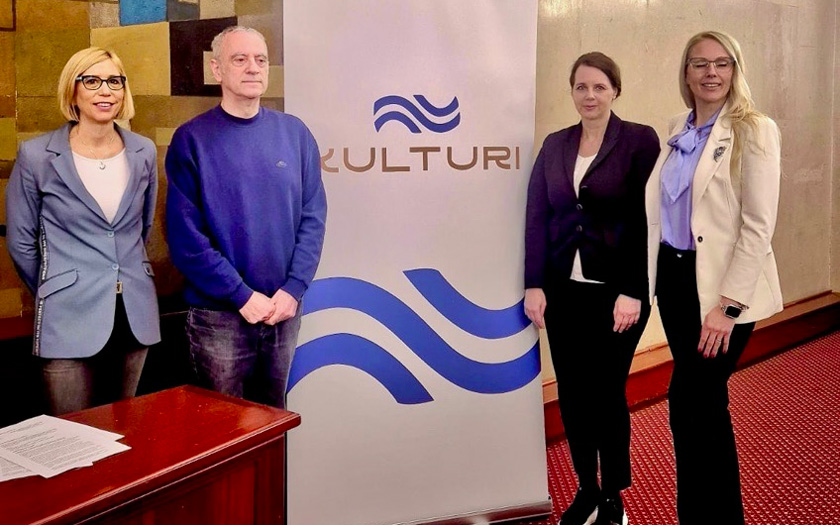
Muhamed Mandžić, Klara Trošt Lesić, Melita Peroković, Jelena Mateševac Skočilić and Marko Radić will also present their experiences and projects, focusing on examples of good practice in linking gastronomy, the local community and the tourism offer.
On the second day of the conference, 10 April, the emphasis will be on the role of gastronomic heritage in creative tourism, with presentations by Elena Rudan, Branka Bezić Filipović, Maja Staraj, Petra Mandac and Zvijezdana Klobučar Filčić.
KultuRi once again confirms its role as an important platform for exchanging knowledge, experience and ideas, encouraging the development of innovative and sustainable tourism products based on cultural and gastronomic heritage.
The conference is organised by Lux Promocija, with the support of the City of Rijeka and the Rijeka Tourist Board, and under the patronage of the Ministry of Tourism and Sport of the Republic of Croatia.
KultuRi brings together experts from tourism, culture, gastronomy and sustainable development.
All those interested are invited to follow the KultuRi programme and become part of the development of the cultural tourism of the future.
Admission to KultuRi is free of charge with prior registration by contacting the organiser at: info@lux-promocija.com. More information is available at: www.kulturi.eu