Montenegro ahead of the EU: How to prepare tourism for a new business phase

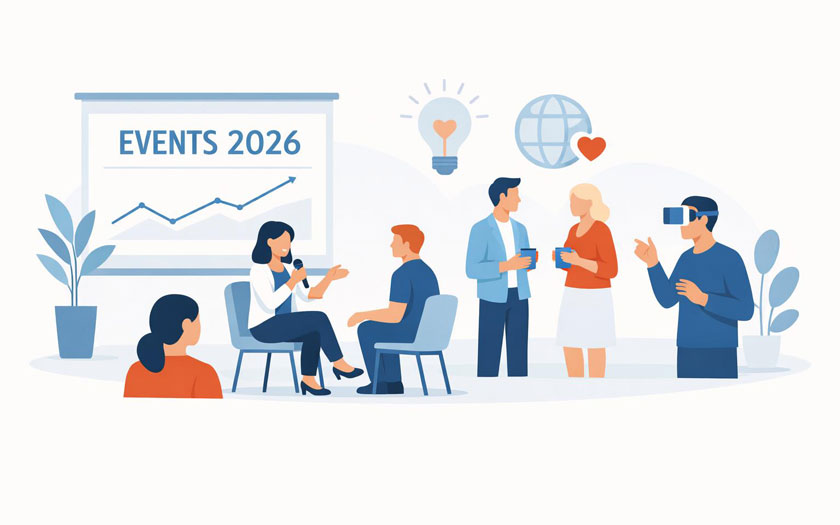
It seems that 2026 is ushering in a more mature, thoughtful, and human-centered phase in the development of the congress and event industry. Organizers are asking less what else can we add and increasingly what is truly needed. The focus is shifting toward real value for participants, measurable outcomes for organizers, and smarter use of resources – human, financial, and environmental.
Below, we highlight the key trends set to shape 2026, along with practical guidance on how Croatian event organizers can turn them into a competitive advantage.
Technology and AI - smart tools for better planning and stronger interaction
In 2026, technology is no longer a “wow factor”, but an expected standard. The difference between an average and an outstanding event will not lie in how much technology is used, but in how well it is applied.
Artificial intelligence is increasingly being used as a planning support tool:
For participants, on the other hand, technology should be almost invisible, yet highly effective. At the event itself, the emphasis is on interaction and gamification: live polls, short quizzes linked to the conference theme, digital challenge games, or points-based participation in sessions. The goal is not competition, but attention and engagement.
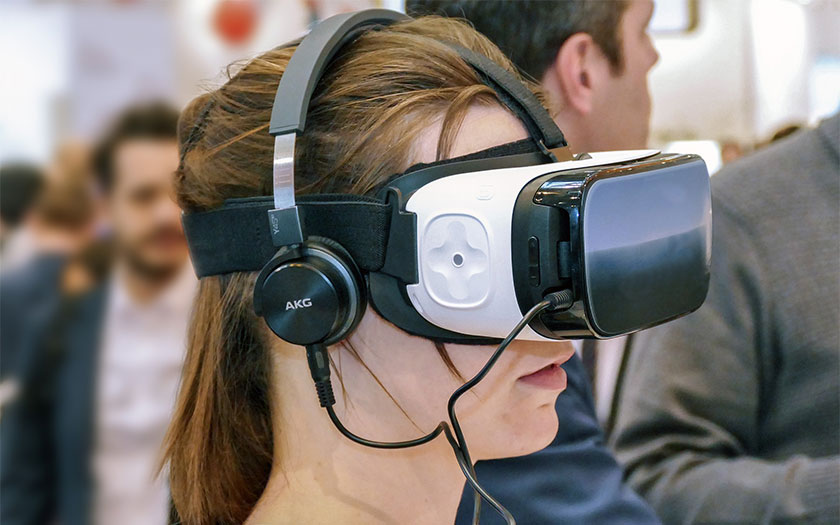
Hybrid formats remain important, but only if they are designed well from the outset – with professional production, a clearly defined role for online participants, moderated Q&A sessions, and a sense that they are truly part of the event rather than passive observers.
Technology is there to make the organizer’s job easier, faster, and better, while also enhancing the participant experience.
Personalization, experience, and community building
One of the strongest trends we have seen in recent years, and one that will remain central in 2026, is personalization. Participants want to feel that an event has been designed for them, not for an “average guest”. They want content, pace, and formats that match their interests, roles, and expectations.
Even just a few simple registration questions – what would you like to take away from this event, which format helps you learn best, what matters to you for a comfortable experience – can give organizers valuable insights. Based on these, it becomes possible to tailor content, the flow of the day, networking formats, or even the spatial setup.
Examples in practice include:
Personalization without emotion is not enough. The participant experience remains essential. In the year ahead, one rule still applies: people remember how they felt. This is where inclusivity stands out as an important element of event design.

Events should certainly include emotional elements: storytelling, local stories, encounters with inspiring speakers outside the usual frameworks, and cultural or nature-based experiences. The concept of “meeting with purpose” is also becoming increasingly prominent – events with a clear reason to attend, a social or professional contribution, and even a humanitarian or sustainability component. Alongside this, meaningful and productive networking, as well as a sense of belonging, are becoming key features of successful events.
More and more often, events are no longer isolated moments, but the beginning or continuation of community building around a shared topic or goal. Series of smaller gatherings, alumni groups, post-event online follow-ups and content, as well as closed LinkedIn or Facebook groups, are turning events into platforms for long-term relationships – which is particularly important for professional, business, and scientific gatherings.
Micro-events, sustainability, and wellbeing
The “less is more” trend is strongly reflected in the rise of micro-events and micro-destinations. Smaller groups enable deeper dialogue, greater engagement, and a stronger sense of closeness. At the same time, smaller, attractive, or still undiscovered destinations offer calmer surroundings, shorter distances, a more personal approach, and often a more favorable price-to-quality ratio. They are ideal for workshops, strategic meetings, retreats, incentive programs, and team-building events.
Sustainability is a trend that has been repeated for decades. What stands out today is the clearer distinction between greenwashing and real results. It is no longer an optional extra, but a criterion of credibility. Today, both participants and organizers expect concrete, visible measures:
In addition, wellbeing is becoming an integral part of event design. Active breaks, short stretching sessions, time in the fresh air, healthy snacks, bright spaces, and a realistic program pace all have a significant impact on participant concentration and satisfaction. Active breaks are increasingly replacing traditional coffee breaks, sending a clear message: caring for people matters just as much as the content itself.
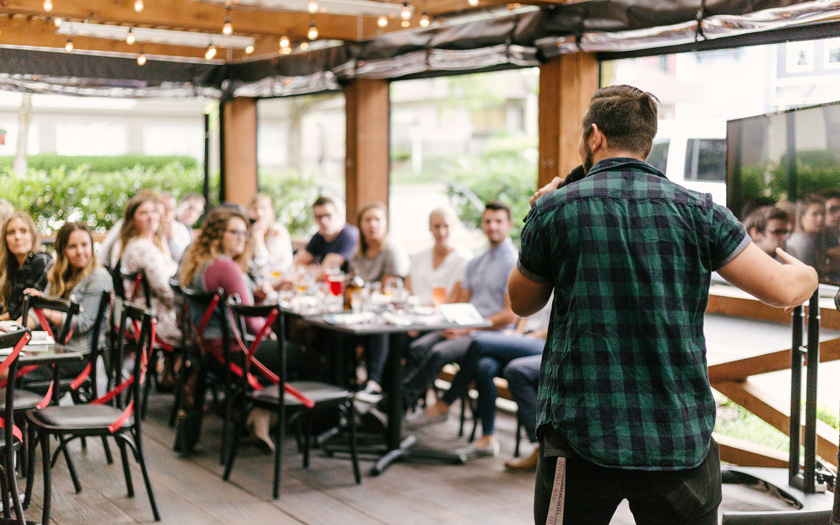
In 2026, the congress and event industry is entering a phase of maturity. The focus is on purpose, experience, and relationships – supported by technology, grounded in real sustainability, and shaped by programs that respect participants’ time and energy.
For Croatian event organizers, this is an opportunity to position themselves as strategic partners rather than simply operational providers. Those who know how to combine personalization, smart technology, authentic experiences, and genuine care for people, the environment, and the wider community will create events remembered for the value they leave behind – for organizers, participants, and the community as a whole.