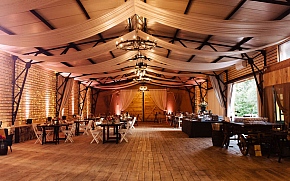
Ranch Kurilovec is a new event venue near Zagreb that moves business events from the hall into nature

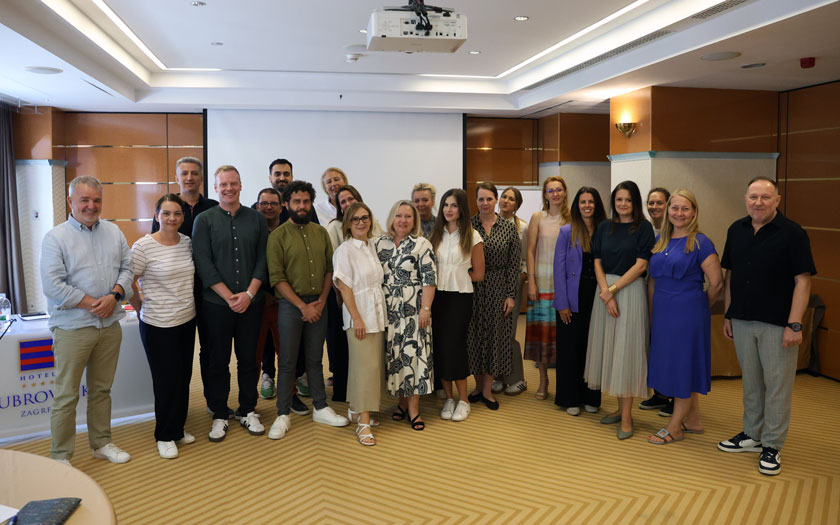
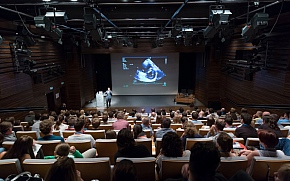
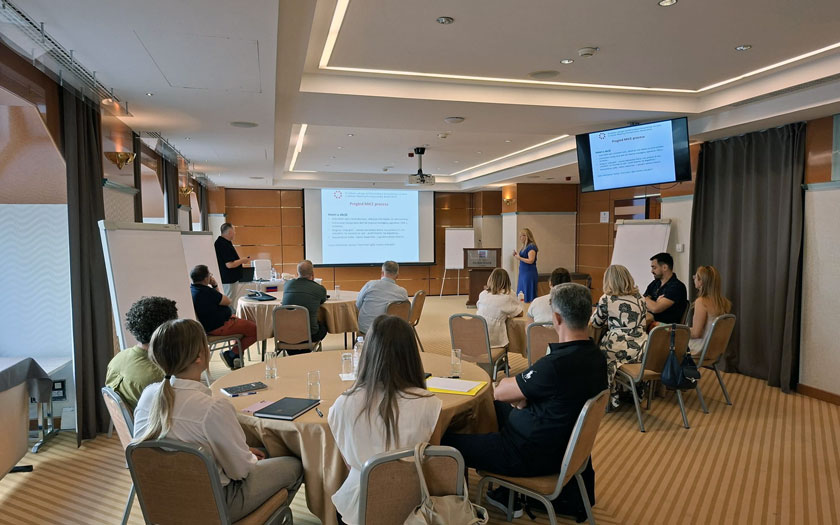
Following a workshop held in August in Dubrovnik, the Croatian Meeting Professionals Association (CMPA) held the workshop “MICE Lab: Agency, hotel and destination in action” in Zagreb as well. Hotel Dubrovnik brought together around twenty representatives of agencies, hotels, suppliers and tourist boards. Through practical situations, they attempted to answer a question that often seems simple, but in practice can be quite complicated: how different stakeholders in the meetings and incentives industry can cooperate better to turn a quality inquiry into a quality offer as quickly as possible, and ultimately into a realized event.
Unlike last year's workshop, which focused on understanding different types of events – business meetings, association congresses and incentives – this year's MICE Lab placed emphasis on practical cooperation and the daily workflow of MICE processes.
Participants thus went through the same inquiry from three perspectives – agency, hotel and destination – and through group work attempted to identify where misunderstandings, unnecessary extra communication and time loss occur.
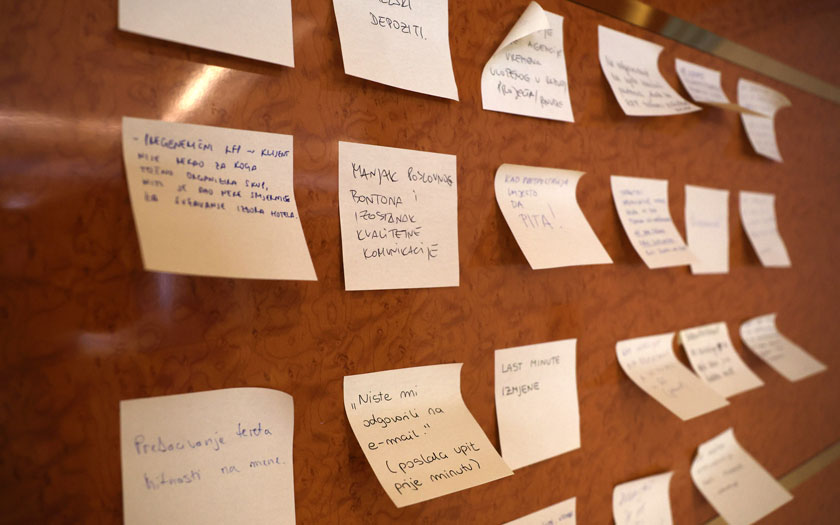
A good hotel cannot fix a bad brief
The workshop conclusion is that the event organization process does not begin with a hotel offer. It begins with the client and in the way the agency translates their needs into a clear brief.
In a practical task, participants received an example inquiry for an annual meeting of an international company in Zagreb for around 170 people. There was truly enough information to start preparing, and the task was to identify what was missing, select a maximum of three questions to ask the client, and draft a short and usable inquiry for the hotel.
It was precisely here that one of the key points of the MICE process became clear – it is not necessary to have all the answers immediately, but it is necessary to know which information is missing and which pieces actually change the decision in selecting a venue. The group profile, event objective, dates and their flexibility, number of attendees and accommodation breakdown, conference hall requirements, F&B options and special client requests need to be set clearly enough for the hotel to prepare a meaningful first response without back-and-forth messaging. Among the things participants noticed missing from the inquiry were the budget and event history, i.e. examples of previously held events in order to consider additional details and see how those events looked in the past.
Once the brief is compiled, the practical part follows – finding suitable spaces and sending them a specific inquiry. It is precisely for this step that event organizers can benefit from the Event Assistant on the PoslovniTurizam.com portal – a free tool that enables sending inquiries to multiple suitable venues and suppliers, as well as comparing received offers.
Speed is not enough – deadlines, commission and offer content matter too
In this initial stage of organization, the agency must be able to quickly compare multiple options and provide a relevant recommendation to the client. This means that a hotel offer should not merely be a list of prices and availability, but a tool that enables the agency to understand why a particular hotel is a good choice for a specific group.
The workshop also opened up a topic that often causes frustration in practice – response deadlines and the volume of work preceding a client's decision. Participants shared examples of situations where a very detailed offer is requested from partners on short notice, while the client's decision is then postponed for weeks or months. In one example, an agency prepared a 15-page offer for a complex international summer event involving around ten collaborators, while simultaneously waiting for a response from the client on whether the event would take place at all.
There was also an open discussion on whether to distinguish between a basic, initial offer and a detailed proposal that requires significant involvement from multiple partners. One possible approach is to send a shorter, structured offer in the first step, and only undertake detailed development once there is sufficiently concrete client interest.
An equally important topic was agency commission. The conclusion of the discussion was that suppliers should clearly define it as early as the first round of the offer. This reduces room for subsequent misunderstandings and allows the agency to know exactly which terms they can count on. For the hotel, it is also a way to control its own market positioning and price, while the agency can transparently compare offers from different partners. For restaurants, special suppliers and other services, this can be particularly important because differences in commissions and terms can also influence the final recommendation to the client.
Destination as operational support, not just promotion
The third perspective of MICE Lab was the destination. The role of a tourist board, DMO or convention bureau is defined much broader than promotion. For the agency and hotel, the destination should serve as a kind of “back office” – a reliable and up-to-date database of capacities, venues, local suppliers, partners and logistics. If information on the destination website cannot be found quickly, is not up to date, or is not adapted to how a planner searches for it, part of the destination's value remains unexploited.
Using the Zagreb example, participants analyzed how information could be found more easily on the Meet in Zagreb website. Searching and filtering content as well as overall web layout, especially on the mobile version, were highlighted as important topics. An organizer looking for a destination, hotel or venue does not necessarily sit at a desk in an office. They may search for information between two meetings, at an airport, on a train or while travelling to their next business meeting. If key information cannot be reached quickly and intuitively, it is very likely that the search will continue elsewhere.
On the other hand, even the best database cannot stay up to date without the cooperation of local partners. Hotels, venues, DMCs and suppliers must provide accurate information about their capacities, services and changes to the destination. Only then can a convention bureau be a genuinely useful extension of their business.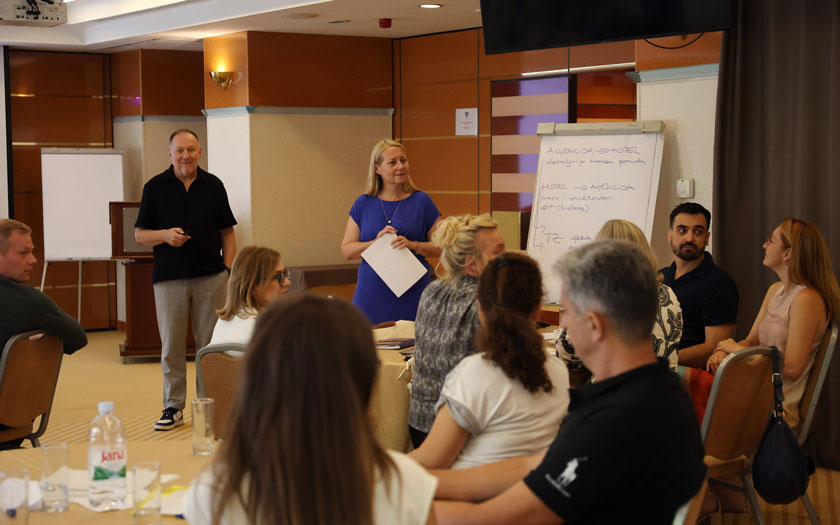
From three perspectives to one MICE process
MICE Lab demonstrated that the agency, hotel and destination often view the same event from different operational angles. The agency attempts to translate client needs into a specific inquiry, the hotel must quickly turn that inquiry into a feasible offer, and the destination needs to provide the data and local support that allow that offer to be enhanced.
When one link fails, the work goes a step backward – additional information is requested, inquiries are sent again, deadlines are missed, and sometimes even the opportunity to realize the event is lost.
Therefore, one of the key messages of the workshop is simple: a good MICE offer is not just a document with a price. It should help the agency turn the hotel, venue or destination into a compelling and relevant recommendation for the client.
Equally, a good destination is not just what is seen in promotional materials. For the MICE market, it is also a system of up-to-date data, reliable partners and support that professionals can rely on when deadlines are tight, requirements are complex, and competition for the event is high.
At the end of the workshop, CMPA also announced the seventh cycle of the Certified Croatian Meetings & Events Professional (CCMEP) certification program, scheduled to begin in December following the Croatian Meetings Industry Forum taking place on 9 December at the Novotel Hotel.