Croatian tourism must transition from growth to development – MICE, investments and premium offer are key to competitiveness

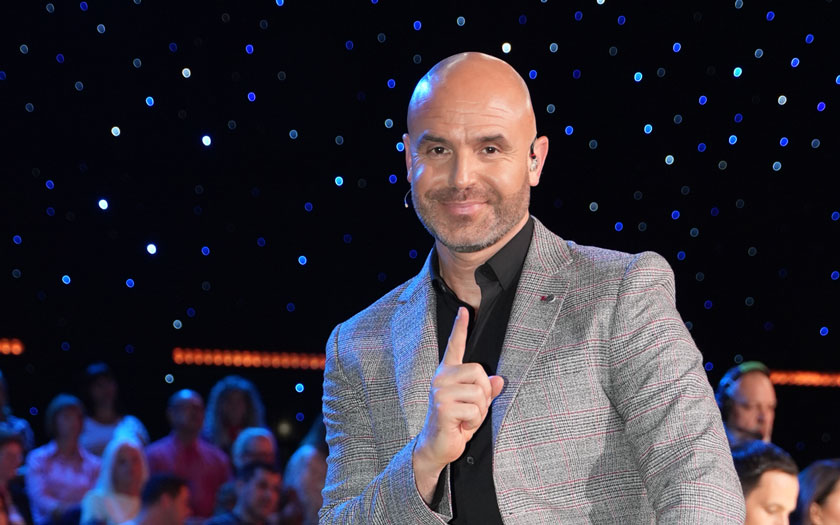
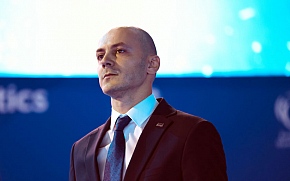
Davor Bilman has been involved in sales for more than 30 years, while passing on his experience to others through sales, communication, negotiation and leadership training over the last two decades. He is the author of the book “Nosi mi se moja boja” (I Feel Like Wearing My Color) on human personalities and the colors that represent them, and he has also developed his own Personality Scanner method, which helps recognize different personality types and tailor communication to them. He is also known to the general public as a dancer and a jury member in popular television shows, yet behind this television recognition lies years of experience in the business world and education.
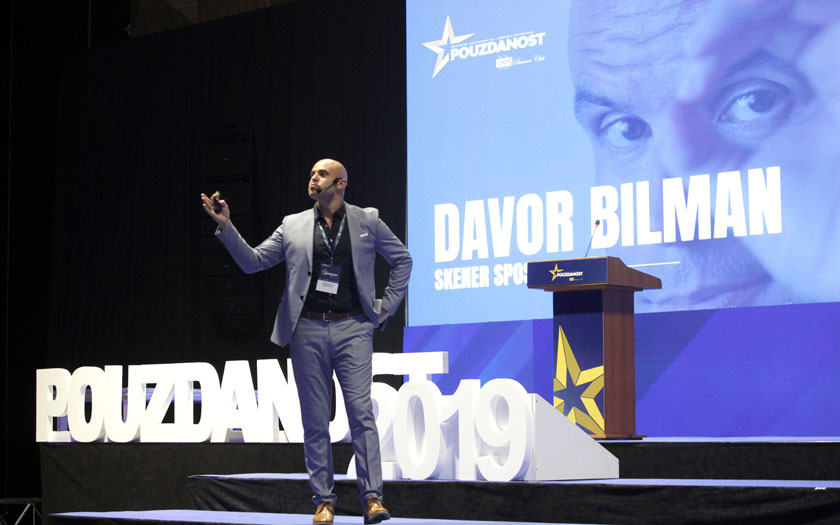
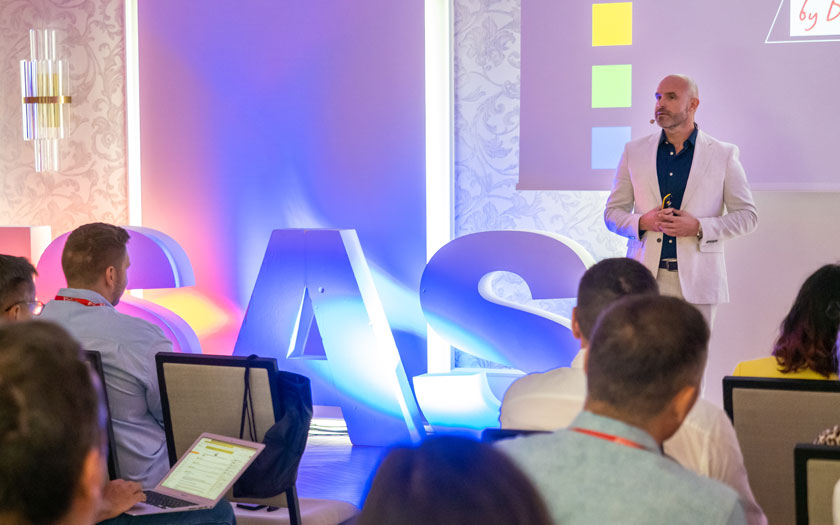
At this year's HOW Festivalu Bilman will lead the workshop How to Win Every MICE Client: Tailoring Your Approach to Different Personality Types, intended for everyone who wants to communicate more successfully with clients and improve sales results. In an interview for PoslovniTurizam, he reveals why we should not sell to everyone in the same way, what trust means in a relationship with a client and what lessons he has learned from his own experience in event organization.
In your description for the HOW Festival, it says that you have 51 years of experience in sales. Considering that you are 51 years old, is this a typo, a well-thought-out sales hook or a message that you are a “born salesperson”?
Great observation. It is not a typo, and I leave it to you to conclude the rest. I like to say that sales has been dealing with me for 51 years, I have been dealing with it for more than 30, and for the last 20 years I have been teaching others how to be better and happier in sales. I am convinced that either we sell or they sell to us, but we cannot avoid sales.
Sales begins with understanding the person on the other side
How many years were you actually actively engaged in operational sales in the field and was it exclusively the automotive industry? At what point did you realize that you wanted to replace the field with training and pass on your knowledge to others, and what from that “first life” in sales prepared you the most for what you do today?
I started selling very early on without even being aware of it. Already at the age of 16, I assisted in a dance school and ran a dance course, and my official journey and documented sales in my work record book begin with the start of university, because I studied while working. After graduating from university, I got a job in the automotive industry and there, as a salesperson, I attended a sales training for the first time and was instantly fascinated by this form of non-formal education. I remember it like today because I was thrilled, as we were learning something that no one teaches in school or at university. What prepared me the most for the job of a sales trainer from that part of my life is real practical sales that neither any theory nor AI can replace.
The most common mistake is that we sell to everyone in the same way, with the same arguments, for an equally long or equally short time.
You have developed your sales education Personality Scanner, which is based on reading character from shoes, clothing, jewelry, watch, glasses, tattoos and even cars. How was it created, how does it work and why is recognizing the personality of a buyer or client so important in sales? What are the most common mistakes people make when they do not recognize who they are talking to?
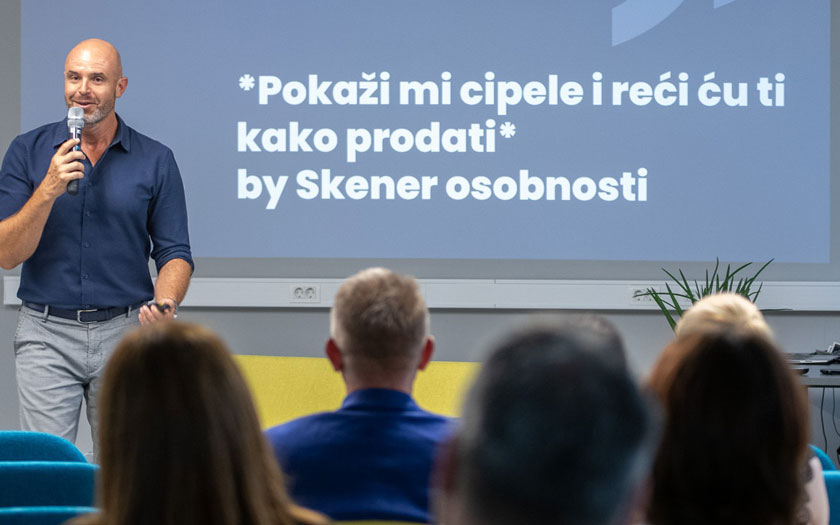
The Personality Scanner by Davor Bilman was created after I, as a car salesperson, realized that we do not buy in the same way, so it makes no sense either to sell to everyone in the same way. Due to my job position at the time, I needed something that would provide me in a short time with information on how to communicate with the person in front of me, that is, how to sell to them more easily. Personality is not the only thing that influences a purchase, but it has a very big influence on what kind of communication the buyer wants and exactly because of that the Personality Scanner was created. What makes my program special is that you can know someone's personality type with a fairly high degree of certainty, even before they speak. The most common mistake in sales is that we sell to everyone in the same way, with the same arguments, for an equally long or equally short time.
How to win a MICE client and build long-term trust
At the HOW Festival, you are holding the workshop "How to Win Every MICE Client: Tailoring Your Approach to Different Personality Types". What would be the golden rules of MICE sales, how to tailor the approach to different personality types in practice? Can you give an example of how you would present the same hotel, event venue or event service to different types of clients?
Great questions and exactly such an example of how to present and sell your hotel to different types of clients will be given to participants at my workshop at the HOW festival.
In MICE sales, the client often does not buy just the space, catering or program, but also the certainty that everything will go without a hitch. How is that emotion sold without sounding like a promise that cannot be fulfilled?
The organization of any event from the MICE segment is the joint work of the hotel and the client. If the event manager from the hotel thinks that this is the client's event and that everything is written down in an internal document, that is the end of the story very quickly. If only one side is organized, the chances that something will go in the wrong direction are high, and from my experience of event organization, something will always be out of plan and will require immediate adaptation on the spot. Right on that flexibility and certainty that everything will be resolved immediately rests the foundation of long-term cooperation or it is the main reason why you will no longer see that client.
About people and business – from event organization to dancing
You once founded and ran the event organization agency BSB Events. What kind of events did you organize, which most important lessons from event organization would you highlight and why did you finally decide to step out of that story?
I spent 7 years in event organization, and we organized single-day educations in small groups all the way to multi-day all inclusive events of 500+ people. There is a big difference in organizing an event with a client's budget or independent ones that we first had to sell. There is also a big difference in the public or private sector. The most important lesson I learned as an organizer is that you cannot ignore sleep, and without enough sleep you are not yourself. The second most important lesson is that an open bar is not for everyone. I decided to step out of that story because I realized that I enjoy an event more where I am a participant than the one I organize, even though everyone else enjoyed my events.
You are also known as a dancer and a jury member in popular TV shows. What connection do dancing and sales have? Is there some rhythmic or psychological parallel between leading a partner on the floor and leading a client through the sales process? Or, can something be learned about a person's character, communication or the way they perform in front of a client from the way they dance?
For me, both dancing and sales mean life. What can certainly be compared from those two areas is trust. In dancing, the female partner can relax only when she trusts you and feels comfortable and safe. The same applies to sales, if the client does not feel that way, but thinks that you want to pull them in and trick them, your sales dance is over.
I am certain that serious business can be done in a less serious way.
Have you ever felt that your TV recognition opens doors in the business world – or perhaps creates expectations that are difficult to fulfill? How do you balance between being a “TV face” and a serious trainer?
Everything has its pluses and minuses, and in this case people tend to see only one side. Of course, being well-known opens many doors, in sales the known always has an advantage over the unknown. It is much easier at a meeting or on a cold mail when someone recognizes your name. On the other hand, precisely due to the fact that I am in an entertainment show, some people find it difficult to connect with what my primary job is. As for seriousness, I am certain that serious business can be done in a less serious way, indeed in the world of education and training relaxedness always brings a better result.
Then for the end a more relaxed question. Where is it harder to be on a jury – in Dancing with the Stars, Croatia's Got Talent or at a final negotiation meeting with a difficult client – and why?
If you feel good in your own skin, that is, if you are 100 percent in every situation, it is easy. Especially if you have reached the final negotiation meeting – regardless of what kind of client is on the other side, it means you have done all the steps well before that meeting. A TV show of an entertaining character is best and easiest to survive if you view it precisely as such, as entertainment.