Montenegro ahead of the EU: How to prepare tourism for a new business phase

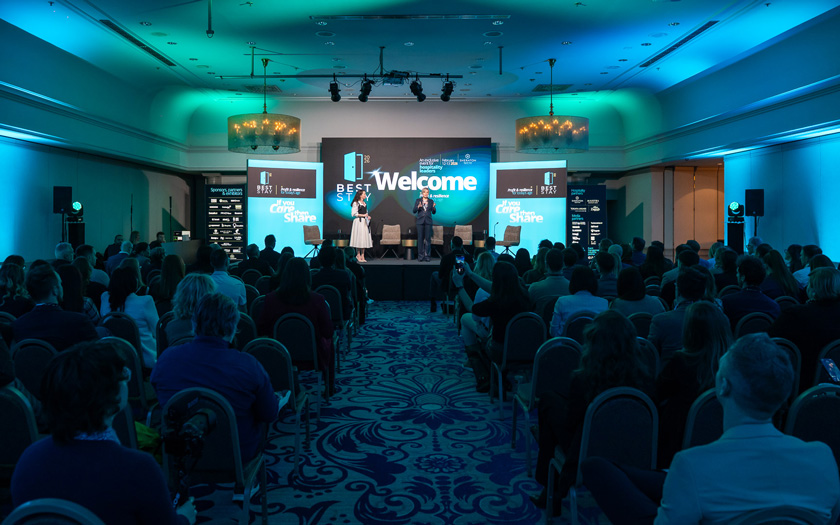
At a time when the global economy is testing the resilience of almost every industry, hospitality is undergoing its own redefinition. Best Stay 2026, held on 12 and 13 February at Sheraton Zagreb Hotel, brought together more than 250 hoteliers, investors and technology partners from across Europe to discuss a question that goes beyond operations: how to plan for profit in a new market reality, rather than wait for it to happen.
Brand before price: why hotels without identity become a commodity
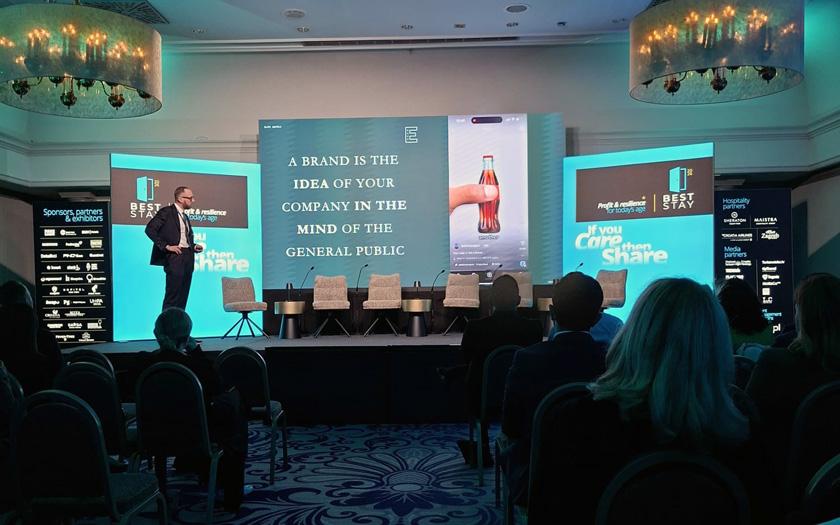
Tomas Bäcklund, CMO of Elite Hotels of Sweden, set the tone of the conference with a clear message: hotels that compete on price alone lose in the long run. In a digital environment where guests can sort offers by the lowest rate with a single click, a hotel without a clear identity and point of difference becomes a commodity. As he stressed, the problem is not the market, but the brand.
Premium value is not communicated through discounts, but through experience, people and emotion. Branding is an operational decision that allows hotels to raise rates without eroding guest loyalty. This idea was given a concrete framework through two case studies.
Ana First, CEO of Dubrovnik Sea Sun Hotels, used the example of Hotel Sumratin to raise a key question for mature destinations: when the destination already has a strong narrative, what role remains for the hotel? In cities such as Dubrovnik, where guests arrive already visually and emotionally immersed, a hotel cannot outshine the city. Instead, it must take on the role of a guardian of meaning, rhythm and authenticity. Dubrovnik has endured through balance and an understanding of context, and that principle has been translated into both the spatial design and service structure. In established destinations, hospitality does not need to speak louder, but more thoughtfully.
A similar development perspective was offered by Bruce Yerkovich, CEO and co-founder of The Resort Company, who presented the “Heart of Lika” project. As he noted, a sustainable resort is not created by imposing a concept on a place, but by drawing from its values and local community. Such a model does not create only a commercial asset, but also long-term social and economic value.
Longevity and medical tourism: a new strategic hotel product category
The second day opened the question of personal resilience among industry leaders. Igor Šehić, a business performance coach, spoke about the pressure hotel managers work under and offered practical techniques for managing energy and stress, reminding the audience that without stable leadership, there can be no stable business model.
This discussion naturally led into the topic of longevity as a new hotel product category. Rather than traditional wellness, the market is increasingly turning towards medically based programmes that integrate sleep, recovery and prevention. The question was raised whether hotels will develop partnerships with clinics, or whether healthcare institutions themselves will become investors in hotel projects. Longevity is increasingly being seen not as an added service, but as a strategic direction for future development.
Technology decisions reshaping hotel business models
The technology segment clearly separated enthusiasm from operational reality. Artificial intelligence was framed not as a software add-on, but as a business model decision. A similar discussion focused on autonomous vehicles, a technology already opening up space for the development of new destination and hotel products.
This topic gained an additional dimension through a student challenge held ahead of the conference. From around 30 submissions, five finalists presented pilot projects on the use of autonomous vehicles in Zagreb, Rab and Dubrovnik. First place went to Delia Melters from the Berlin School of Economics and Law, second to Lukrecija Novaković from RIT Croatia, and third to Nikola Stjepan Gabrić from the Faculty of Economics at the University of Rijeka. Their projects showed that autonomous mobility is not only a transport issue, but also a tool for designing a new hotel guest experience, from personalised arrivals to integrated guest movement management.
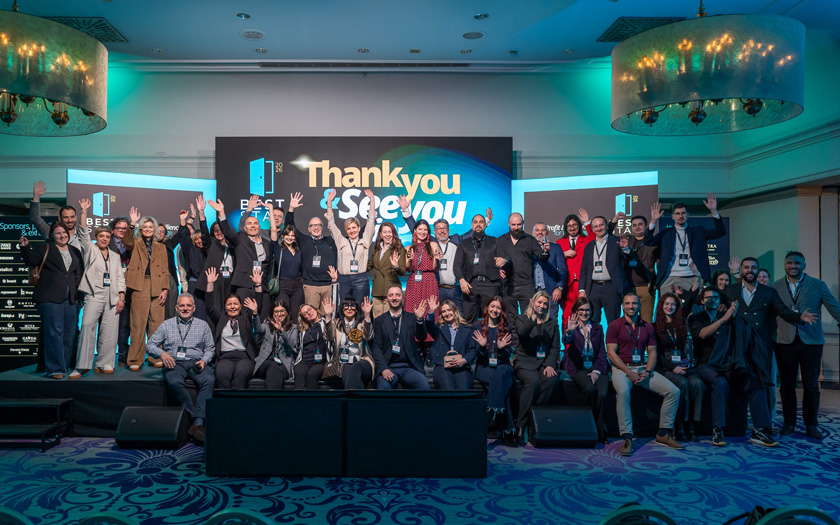
The conclusion of the conference was clear: the industry is entering a phase in which profit is no longer left to market conditions, but planned through discipline, identity and technology. The most successful hotel systems will not be those that react the fastest, but those that combine speed with a clear long-term strategy.
The next edition of the Best Stay conference will take place on 18 and 19 February 2027 in Zagreb.