How the life philosophy of Rambo Amadeus found its place in an exclusive retreat event for hoteliers

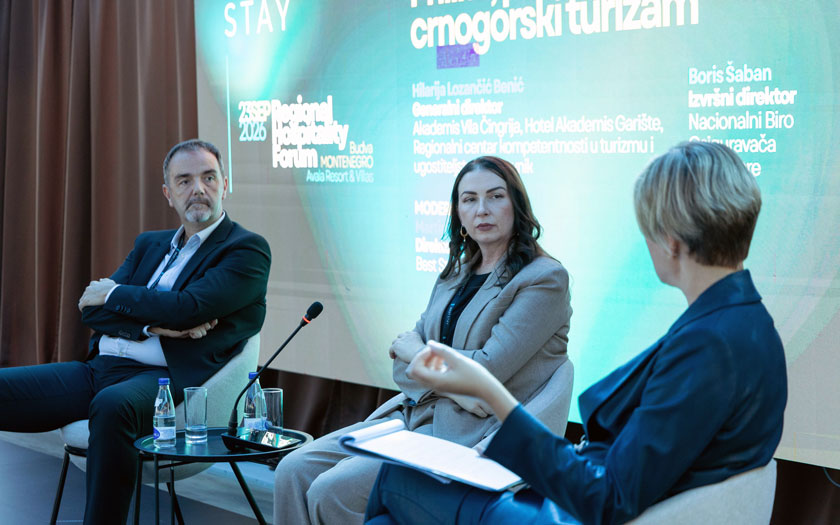
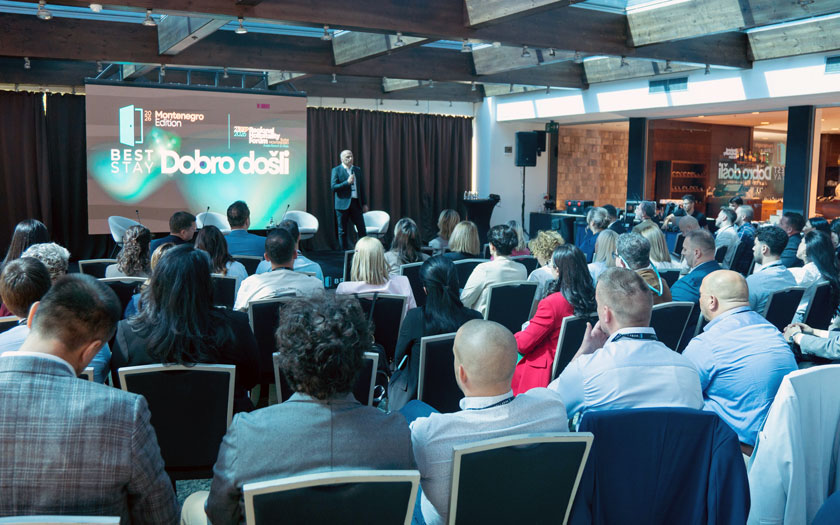
Montenegro’s accession to the European Union can open new markets, encourage investment and provide access to new funding sources, but it will not make Montenegrin tourism more competitive in itself. Preparations for the new business phase must begin before formal membership – this was one of the key messages from the first BEST STAY Regional Hospitality Forum – Montenegro Edition, held at the Avala Resort & Villas hotel in Budva.
The Forum brought together representatives from the hotel sector, the tourism industry, institutions and business partners to discuss what the European perspective specifically brings to the hotel industry, as well as what Montenegro can and should start preparing today.
At the heart of the discussions were investment and financing, people and the labour market, safety and resilience of hotel operations, revenues, digitalisation, sustainability and the development of tourism products capable of creating higher value. Croatia's experience after joining the European Union served as a starting point for discussing what can be applied in Montenegro, as well as which mistakes can be avoided.
Up to three million international arrivals in Montenegro by 2030
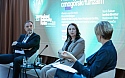
Main international speaker, professor of tourism and futurist Dr Ian Yeoman, opened the question of how Montenegrin tourism could change under the influence of new guest expectations, market shifts and a broader transformation of the tourism industry through four potential development scenarios. One of the key messages of his presentation was that destinations can no longer prepare for just a single version of the future. The ability to recognise changes in a timely manner, adapt the tourism product and clearly define the position a destination wants to occupy will become an increasingly vital competitive advantage. For Montenegro, this means that future development will depend not only on the growth of accommodation capacity and demand, but also on the destination’s ability to respond to changes in guest behaviour, technology, the labour market and the way value is created in tourism.
Based on trends over the past seven years and a range of factors that could impact the development of Montenegrin tourism, Yeoman presented a projection according to which Montenegro could reach approximately three million international tourist arrivals by 2030. Such growth further raises the question of not only how many guests Montenegro will be able to attract, but what value it will manage to create from that growth for the economy, destinations and local communities.
Martina Lucić Čanak, owner and director of the BEST STAY platform, stressed that the European perspective needs to be translated into concrete business preparations: 'Joining the European Union will not make tourism more competitive in itself. The work starts now. Hoteliers, institutions and business partners need to start thinking today about what they must prepare regarding people, investments, operational security, revenues and the development of new products. Funds, investments and new markets create opportunities, but value is generated only when we turn a development opportunity into a project that can be implemented and sustained in the long term.'
Special emphasis was placed on the role of hoteliers themselves in the process of European integration. Nikola Kasalo, CEO of Beppler & Jacobson Montenegro, stated: 'European Union membership should not be seen merely as a goal, but as a process through which the domestic tourism economy must become more competitive. European integration should also be an integration of knowledge, standards and business culture. Montenegro needs tourism that creates value, not just volume.'
The discussions in Budva thus shifted the question of European integration from a political into a business context: what membership means for product quality, productivity, standards, employees, investments and the destination's ability to compete with markets that have been investing in these areas for decades.
BEST STAY Montenegro Edition was developed as part of the regional hospitality platform BEST STAY, which connects decision-makers around issues that directly impact the profitability, competitiveness and long-term development of the hotel and tourism industry.