MedTech compliance in Croatia – when a hotel, destination and palm trees become a problem for a medical congress

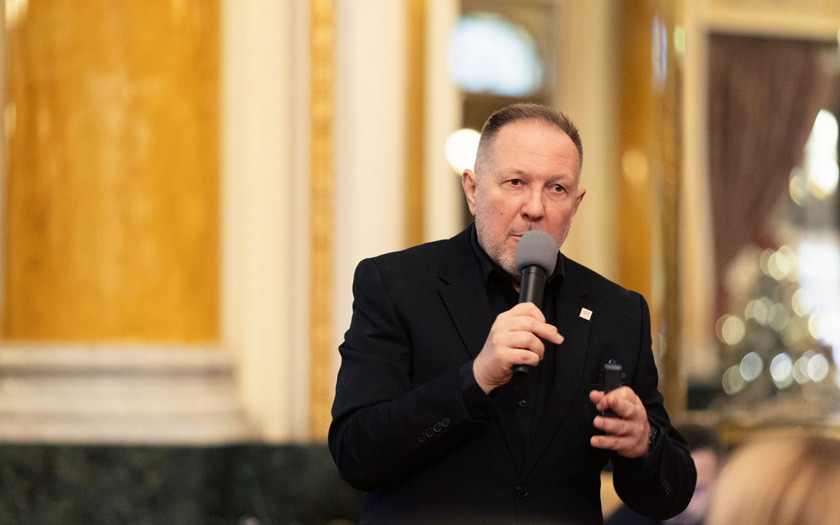
When you speak with Ranko Filipović, it quickly becomes clear that his career is not only a professional journey, but also a kind of chronicle of the development of the MICE industry in Croatia. From his early days in tourism in Dubrovnik, through his key years at Atlas, to launching his own agency and leading a professional association – everything is connected by the same thread: working with people and constant learning. Although officially retired, he continues to contribute to the congress industry every day through his leadership of the Croatian Association of Professional Congress Tourism Operators (HUPKT) and his daily communication with colleagues.
Like many other experienced professionals in Croatia’s events industry, with plenty of experience behind him, Ranko Filipović also honed part of his craft at Atlas – the agency where professional standards were set and generations of event organizers were trained.
How did you find your way into tourism, and then into business events?
As I was born in Dubrovnik, it somehow seemed logical that I would end up in tourism. I started at the Dubrovnik Hotel and Tourism Company, one of the largest, I would say even in the former state, and later moved to Atlas. Those were two schools that laid the foundations – things were done properly there, and you learned from the beginning, from working with people to procedures. That was the basis for everything that came later.
He spent almost two decades at Atlas, first working on incentive programmes which, as he says, were real, major American incentives, and later on congresses, both international and domestic. „When I see today what is all called an incentive trip, I find it a bit amusing. Back then, we worked with major corporations, insurance companies, global brands such as Coca-Cola and the like. These were projects that required serious organization, but also creativity.
I remember very well the example with Coca-Cola, when a great deal of the city was branded. As the famous Nautika restaurant was the central gathering point, it too was branded, with Coca-Cola parasols. In the early 1990s, when an inquiry came from Pepsi-Cola for such an event, we had to completely conceal that earlier cooperation – nothing could reveal any trace of Coca-Cola if the event was to go ahead, not even the parasols at the restaurant. Pepsi had accepted the hosting, but then the war broke out and it was cancelled.“
This job is not about planning - it is about finding solutions
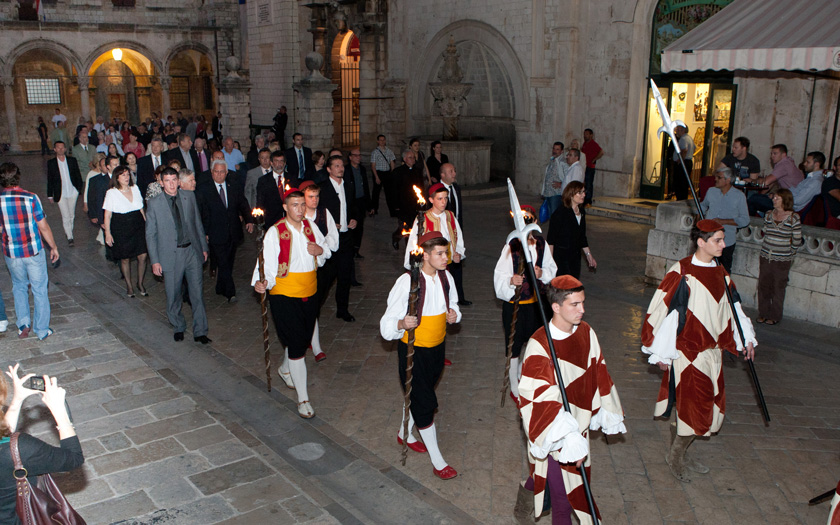
Behind the scenes of major events, there are often situations that participants never see. One such case happened during the organization of the international assembly of the global automatic identification association GS1 in Dubrovnik. A gala dinner had been planned at Revelin Fortress
„On the terrace of Revelin, the Linđo Folklore Ensemble was performing, and downstairs, during dinner, a short Renaissance dance performance was planned. After that, dance music with well-known evergreen hits was to follow. A few hours before the evening programme, I was told that the Renaissance performers could not come. It was the last day of school and they had a celebration in town. But our programme had already been announced. At that moment, the rush began – who to call, who could step in. There were six dancing couples and three zither players. So whoever you call, it is not just one person, but a whole team you need to gather. Luckily, in the end I managed to find a replacement music ensemble, and everything went smoothly without anyone noticing at all“, Filipović recalls.
A similar situation happened with printed conference materials that got stuck in customs. „Nothing arrived on time. In the end, we printed everything locally, almost overnight. Those are the moments when you realize that this job is not about planning – it is about finding solutions.“
Such situations also shaped one of his key professional lessons: always have a backup plan.
„A colleague from America once told me long ago: ‘In Croatia, you always have to investigate.’ And that is true. You must never take anything for granted. You always have to check, and always have a backup plan.“
From a large company to his own agency
During his time at Atlas, after the war period, Ranko moved to Zagreb in 1994. Atlas, he says, was one of the few stable pillars of the profession at the time. „There I had the opportunity to learn from exceptional professionals such as Maja Fabris and Pave Župan Rusković, who strongly shaped my professional development. I stayed at Atlas until 2010, going through different phases of the company and the industry, always hoping for a better tomorrow. After the final changes and the closure of Atlas, the natural step was, together with my colleagues, to start our own company and continue doing the work I know best.”
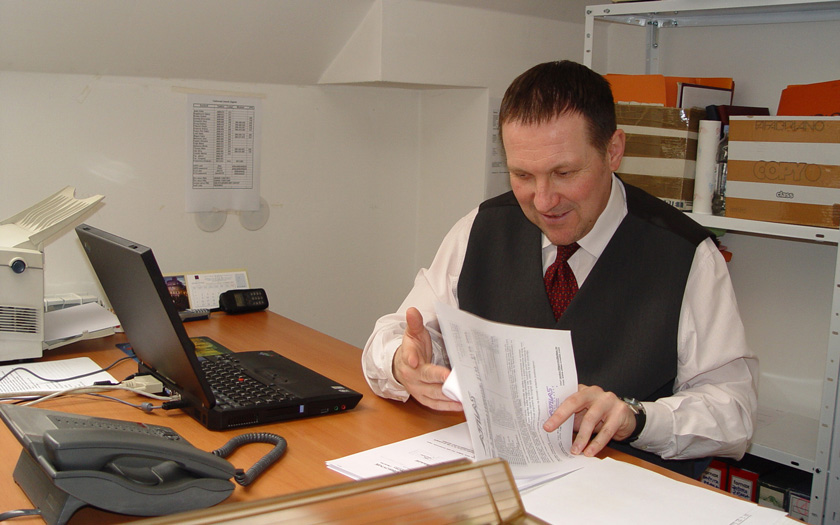
The decision to launch his own agency was not easy, but it was necessary. „We were at an age when it was not easy to work for someone who perhaps did not understand this business. So we decided to go on our own.“
What was the biggest challenge in starting and running your own agency?
The biggest challenge was not finding clients, but the state. Laws, regulations, administration. When you are in a big company, you do your part of the job. When you are on your own, you have to be everything – a lawyer, an accountant and operations all at once. The laws are scattered and you have to know everything. That was the biggest challenge.
What was encouraging was that clients recognized continuity. Most of those we had worked with continued to work with us, or we developed new events out of existing relationships. New clients came to us (and still do) almost exclusively through recommendations.
In this business, that is the key – reputation and relationships.
The industry today: more opportunities, but also more challenges
Speaking about changes in the industry, Filipović points out that the essence of the job has not changed.
„A PCO must be an advisor. That is the foundation. You have to understand the rules of the profession and guide the client. What has changed is technology – today everything is faster and simpler. Applications used to arrive by post, then by fax, then by email. Today everything is online.“
But on the other hand, new challenges have emerged. „Clients today have many more options, and expectations are often unrealistic. At the same time, communication with suppliers is becoming increasingly difficult – getting a reply to an email or a phone call, which should be basic, is now a problem.“
Is this about a generational shift and the characteristics of younger generations, who are often said to be less committed to work?
I would say it is a combination of generational differences, but also the increasingly visible lack of quality training. Today I often hear that young people are simply placed in a position without any real introduction to the job, without basic, let alone systematic learning. That is where a major change in approach becomes visible – when I started, you learned through work, with mentorship and open communication. At any moment, you could ask, get an explanation and understand the broader picture of the job. Today, that human approach seems to be slowly disappearing. Even things that seem basic, such as replying to an email or answering the phone, sometimes are no longer taken for granted.
HUPKT: the profession for the profession
You are one of the founders of the Croatian Association of Professional Congress Tourism Operators (HUPKT). How did it come about?
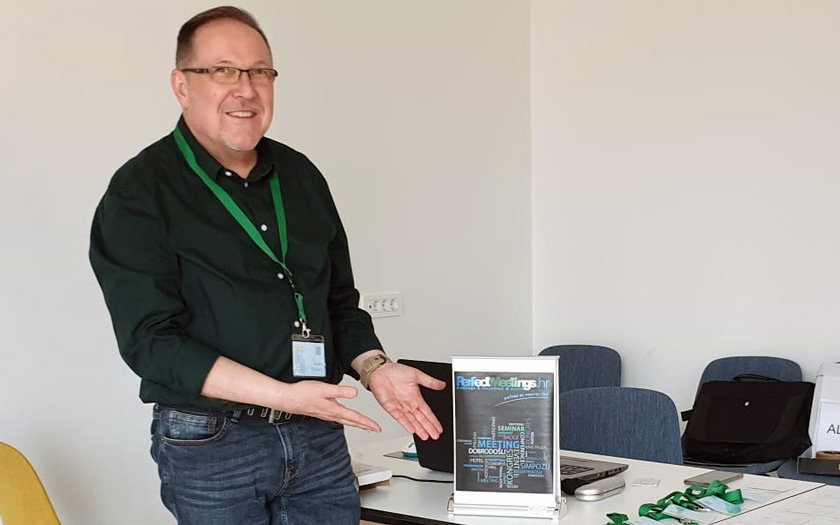
HUPKT actually came about very spontaneously – it all started through informal communication and the exchange of ideas among colleagues. It began with our now well-known MIMs (Meetings Industry Meeting). In those first gatherings and conversations, we recognized a shared need to organize ourselves better as a profession and fight for our position. The key moment was when we decided to make that initiative concrete, so Pavle Marković, Slaven Reljić and I met, developed the basic ideas and founded the association in 2011. We started from the ground up – adapted the statute, set the main goals and began gathering colleagues. Since then, HUPKT has grown gradually but continuously, based on that initial energy and shared desire to develop the profession. Today it has more than 250 members from across Croatia.
The role of HUPKT president has special value for Ranko Filipović. „It is something we do for the profession. Without financial interest, without hidden motives. People recognized that.“
The association has launched a number of projects over the years – from education to certification. „I am particularly proud of the certification programme through which more than 150 colleagues have passed. That is concrete value for the industry.“
What are the biggest problems facing the meetings and incentive industry in Croatia today? Where do we most often get stuck as a destination?
One of the key problems is the lack of systematic education and understanding of the MICE industry itself, especially at the level of institutions and local tourist boards. At tourism conferences, the same topics and the same speakers are often repeated, while concrete potential and tools such as the MICE segment – which can extend the season and support more balanced destination development, for example in Slavonia or Hrvatsko Zagorje – are not recognized at all or are not discussed enough.
A major challenge is precisely that gap between the strategic level and what happens on the ground. Without a clear initiative ‘from above’ and quality education about what the MICE industry is and what benefits it brings to a destination, it is difficult to expect any significant progress. I am convinced that systematic education for tourist boards would greatly change the perception of and approach to this segment.
On the other hand, the industry has often had to fend for itself. Many key projects – from education and certification to ambassador programmes – were launched on the initiative of the profession itself, and only later received institutional support. This shows that there is energy and knowledge within the industry, but also that institutions often lag in recognizing and supporting such initiatives. As positive examples, I would highlight the MICE departments within the Croatian National Tourist Board and the tourist boards of Zagreb, Dubrovnik and Opatija, with whom we have continuous and high-quality cooperation. Others are gradually joining as they recognize the value MICE brings them.
The Zagreb Congress Centre project has finally moved forward. Does the voice of the profession have an impact on the construction plan, and how is the cooperation with the City progressing on that issue?
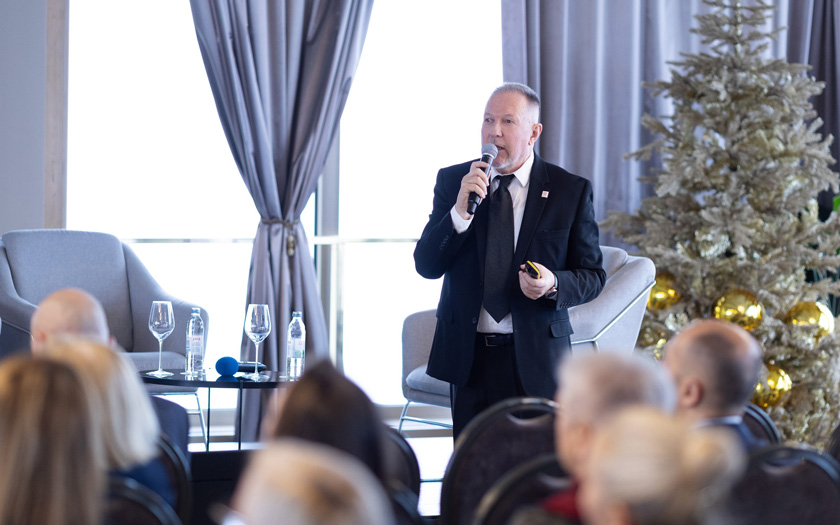
A congress centre is undoubtedly necessary for Zagreb – examples from around the world, including smaller destinations that have recognized the importance of such infrastructure, confirm this. Although Zagreb should have delivered such a project decades ago, it is encouraging that implementation is now finally moving forward in concrete terms, with clear signs that there is no turning back. It is also positive that the project is being led by the City, with management by the Zagreb Fair, which ensures stability and continuity.
The profession, although unfortunately not involved from the very beginning through the preparation of the feasibility study, is now at least being given the opportunity to contribute. In the cooperation so far with the City and the investors, there has been a willingness to take professional opinions into account within the given framework, which is a good basis for the project’s further development. I believe this cooperation will continue and become even stronger, especially through links with the Zagreb Fair, which is physically and functionally connected to the future centre. That very synergy opens up additional opportunities for hosting large events and confirms that the project has significant potential for the development of Zagreb as a congress destination.
Working in the association – a genuine source of satisfaction
Although formally retired, Ranko Filipović remains very active in the industry. Above all, through the work of the professional association. He says it is difficult to leave this business behind. Why?
„My ‘active retirement’ today comes down to minimal operational involvement in the agency – mainly through advice and support for colleagues when needed. On the other hand, working in the association gives me genuine satisfaction because there is no daily pressure; it is based on high-quality, relaxed and very collegial cooperation.
Still, what motivates me most today are – people. It is precisely the social connection, the exchange of experience and the sense of community that give special value to everything we do. The greatest satisfaction comes from moments when you see that people are happy, that they recognize real value, especially through knowledge, which always remains a lasting asset. That is why my work in the association is especially important to me – because it contributes to something that goes beyond the individual and remains for future generations. Within that, projects such as MEETEX, the certification of professionals and the educational workshops we conduct across Croatia hold a special place. They not only connect colleagues and encourage knowledge exchange, but also make a concrete contribution to the development of the profession. The fact that as many as 157 colleagues have gone through the certification process speaks for itself.
Additional motivation also comes from the feeling that something is changing and developing in the profession – that new projects and initiatives are emerging that did not exist before. It is precisely that progress, together with the people creating it, that is why I still gladly remain involved.“