First Zagreb Health Week: 5 days of free health prevention activities for citizens

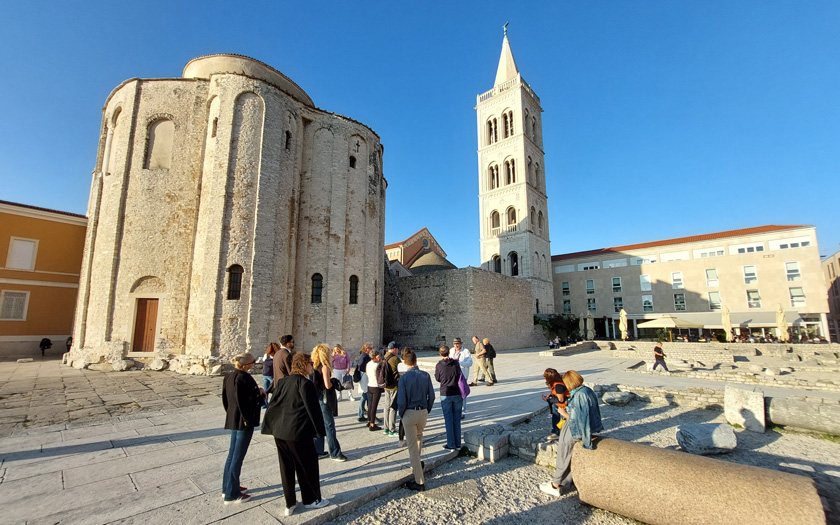
A familiarization trip or, as we like to call it in English, a fam trip (short for familiarization trip) has for decades been an important part of the events industry. These are organized trips to which destinations, hotels or other tourism organizations invite event organizers, agencies and other professionals to experience their offer first-hand. Although at first glance they may seem like “free trips”, their real purpose is far more serious – they are a strategic business development tool that includes education, promotion and even sales.
However, in 2026 it is fair to ask: do they still fulfil their purpose? The landscape has changed significantly. Cost control is stricter, and the pressure to prove commercial value is greater than ever. At the same time, technology allows us to explore and assess destinations without leaving our office chairs. So how do we view familiarization trips today?
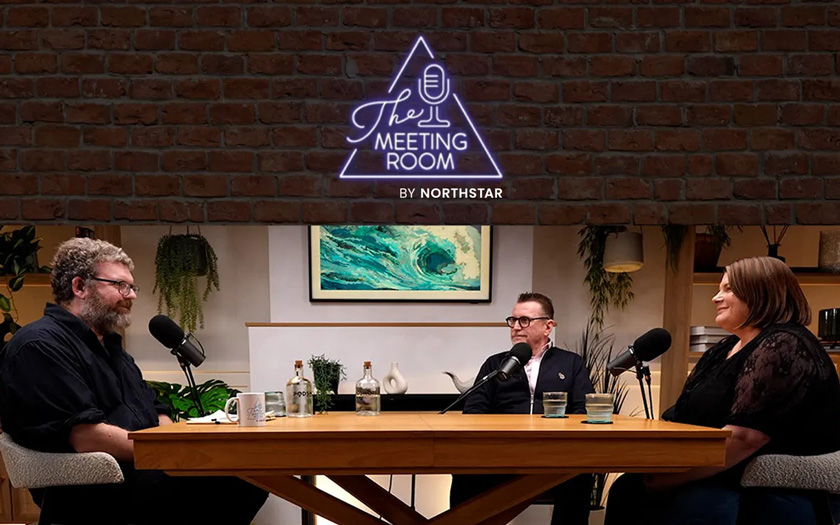
These very challenges were discussed by British experts in the latest episode of The Meeting Room by Meetings & Incentive Travel Magazine. Editor Paul Harvey hosted two experienced agency representatives: Jemma Peers, managing director of Top Banana, and Ian Cummings, global chief executive of Nteractive. Their candid discussion revealed how the approach to these trips has changed and why, despite technology, they are more important today than ever before - provided they are carried out properly.
Fam trips as an educational tool, not a reward
The speakers agree – familiarization trips are primarily an educational tool, not a reward or a “mini break”. Through such trips, event organizers, PCO agencies and corporate buyers gain the opportunity to get to know:
As Ian Cummings points out, their purpose is to enable agency teams to better understand destinations, thereby reducing risk when recommending them to clients and making informed and more confident decisions in the sales process. In other words, they help “translate” a destination into concrete business proposals.
Fam trips are based on a kind of “social contract”: the destination invests time and budget, while participants invest their own time and attention – with the expectation that the knowledge gained will be used in future business dealings.
If there is no real possibility of cooperation, it is professional to decline participation – allowing the opportunity to be given to those for whom it will be more relevant. „I do not send people on a trip unless I genuinely believe it will bring benefits to both sides. It is a business agreement: we invest time, the hosts invest money. If there is no potential for cooperation, the professional thing is to say: thank you, but this is not for us" Peers points out.
In Croatia, familiarization trips are actively used as part of destination promotion strategies, especially through cooperation between tourist boards, hotels, DMC agencies and other stakeholders.
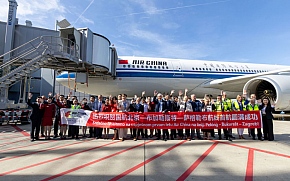
For example, the Croatian National Tourist Board, in cooperation with local tourist boards, organized a series of familiarization trips as part of the MEETEX trade show with the aim of presenting Croatia’s MICE offer to international buyers.
The importance of the educational component is also highlighted by Steve Huxham from the UK’s Silver Marketing Association, who was one of the international buyers (en. hosted buyer) taking part in this year’s post-MEETEX tour in Croatia: „Fam trips are not holidays or free entertainment – they are intensive, often demanding programmes. We are away from work, the schedules are demanding, and everything we missed is waiting for us when we return. That is exactly why we choose very carefully which trips we will attend.“
Key rules: the right people, the right goal, the right level
One of the key messages from the programme relates to participant selection. Not every fam trip is for everyone. Jemma Peers emphasizes that fam trips must be carefully designed according to the level of participants, meaning that destinations must clearly define whether they are looking for strategic decision-makers at board level or operational professionals dealing with logistics. If the destination or organizer does not clearly define the target group, the type of clients and the type of business it wants to attract, misalignment occurs and the real value of the trip is reduced.
Ian Cummings admits that, as a director, he is not interested in the square metres of bedrooms, but rather in the strategic potential of the destination and the creative challenges it offers the client. Likewise, he stresses that it is not acceptable to send people “just to fill a place”. Every participant must have a reason to attend and the potential to transfer that knowledge into a concrete business context.
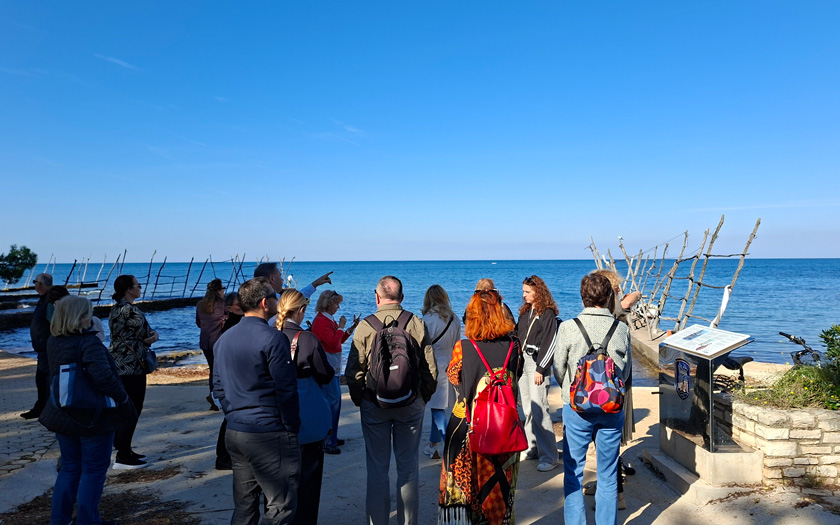
One of the hosts of the post-MEETEX tour was also the Zagreb Tourist Board (TZGZ), which applies several filters when selecting participants for educational trips organized as part of trade shows. First of all, in this case, these are so-called "hosted buyers" accepted in the qualification process for participation in the trade show. So the starting point is the fact that the proposed buyers have already gone through the organizer’s selection process, which primarily consists of a multi-level verification of the buyer, as well as the company, association or agency they work for.
The staff of the TZGZ Convention Department then select participants as follows: „First, the maximum number of participants is defined, ideally 5 - 10, because a larger number prevents the creation of a homogeneous group and may affect the programme delivery while limiting the presentation of the destination in the best possible light. Once potential participants express interest to the trade show organizer in visiting certain destinations, a final decision is made on whether or not we wish to accept an individual buyer. In doing so, TZGZ takes several criteria into account. First of all, we try to identify those buyers we believe will benefit most from a visit to Zagreb, and we group them into 3 main categories: associations, direct buyers (corporate clients without intermediaries) and specialized agencies. We check whether the list of interested participants includes someone we have already been in contact with on some basis or someone we have already hosted in Zagreb. We then check whether they are company/agency owners, more experienced or less experienced participants with influence on business policy in terms of proposing the destination to decision-makers or clients“, TZGZ explained.
The destination experience as a key differentiator
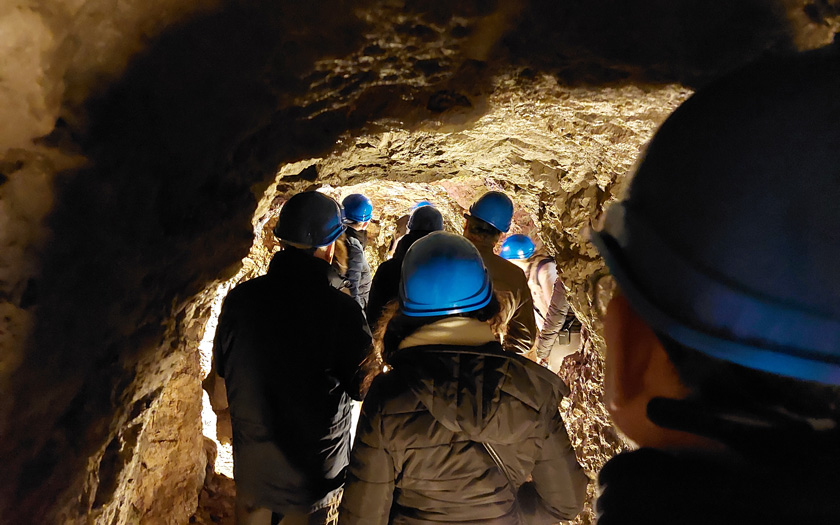
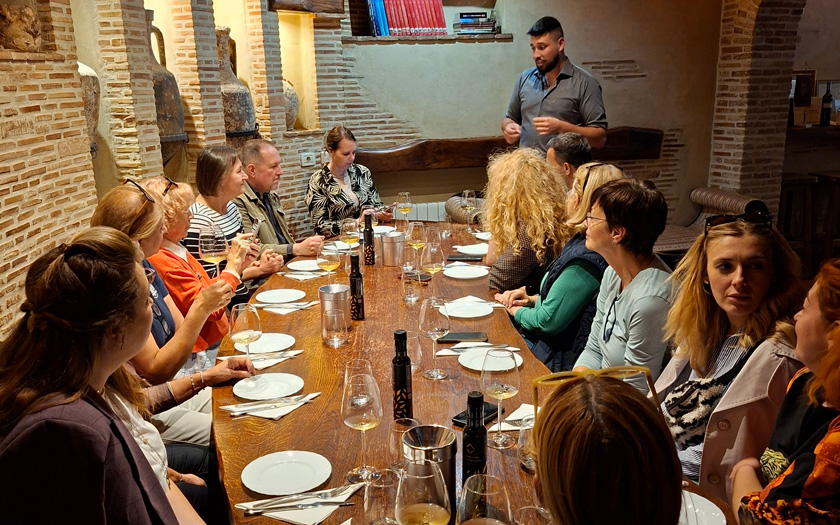
Today, when information about destinations is available online, fam trips are gaining a new dimension – the emphasis is on experience. Participants do not just tour hotels and halls, but experience the destination through local gastronomy, cultural and historical attractions, and authentic activities and experiences.
One of the hosts of this year’s familiarization trips in Croatia was Terme Tuhelj which points out: „It is important to present the destination’s authenticity, service quality and the key differentiators that set you apart in the market. The programme should be well balanced between the informative and experiential parts, with an emphasis on concrete products and services that participants can later sell. It is also crucial to enable interaction with the local team and partners and to leave room for personal experience and individual impressions.“
Cummings states that the best trips are those that encourage creative thinking and offer concrete ideas that can be passed on to clients – for example, combining several destinations in one programme or designing experiential elements of an event.
Steve Huxham had a similar experience during a familiarization trip in Northern Croatia: „I came to Zagreb and Croatia with very limited prior knowledge, which is probably quite common among British guests. That is exactly why I was surprised by the diversity of the offer – from castles and wine regions to top gastronomy and innovative features such as the HeliSpace heliport. I would describe this part of Croatia as a ‘hidden gem’ that deserves far greater visibility.“
He adds that authenticity was precisely the key: „A destination is not just a landscape or infrastructure – it is also its people. When you see how much the local population enjoys its own way of life, it sends a powerful message and further enhances the destination’s appeal.“
Are familiarization trips still cost-effective?
Given the cost of organizing them, the question of cost-effectiveness is often raised – both for organizers and participants. For destinations and hotels, the return on investment does not always come immediately. „The decision-making process is often long-term, so several years may pass from the initial introduction to a destination to the actual delivery of an event, especially in the case of international association congresses“, TZGZ notes.
On the other hand, for agencies and buyers, the value lies in knowledge, contacts and confidence in decision-making. „Fam trips are a unique opportunity to experience a destination live – and that is what reduces risk. In this industry, our personal reputation is also at stake. Clients rightly ask: ‘It all looks good in the photographs, but what was your real experience, Steve?’ Without personal experience, it is difficult to give a convincing answer“, Huxham emphasizes.
He also warns of a common misconception related to return on investment: „You should not expect an immediate return on investment just because a fam trip has been organized. Its value lies in keeping the destination ‘top of mind’ for the buyer at the right moment. The goodwill and trust that are built last a long time.“
Familiarization trips remain an important business tool, and Terme Tuhelj agrees: „The emotional experience, direct interaction and the possibility of asking specific questions on site are crucial for making business decisions. It is precisely this combination of experience and relationships that makes fam trips a worthwhile investment. No online information can replace the live experience.“
They make a similar point at the Zagreb Tourist Board: „Although insight into feedback is partially limited, fam trips as a form of education for potential organizers have no real alternative and remain an irreplaceable tool for attracting meetings and other business events.“
As Jemma Peers concludes in The Meeting Room video, it would be a "sad day for the industry" if familiarization trips disappeared, because digital tools can provide information, but only a personal visit builds the trust and inspiration needed for outstanding events.