Goran Macanović new general manager of Novotel Zagreb: Focus on business guests and events

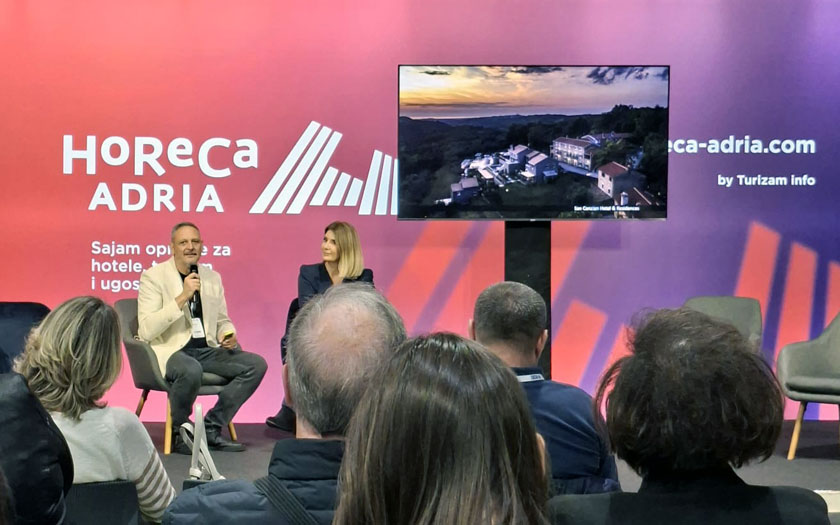
In Croatia, the vast majority of congress capacities are located specifically in hotels. For hotels, this is important in terms of the diversity of their offer, especially in year-round operations. However, a hotel does not need to have a separate event hall to be attractive to event organizers. Sometimes it is enough to rethink the existing space, lighting, scenography and its relationship with the surroundings in order to create an ambience that guests remember. On how to put architecture and design to work for special events, as well as the business performance of a hotel or restaurant, Antonija Mandić spoke with Boris Ružić at a conference held as part of the HoReCa Adria trade fair in Zagreb.
Boris Ružić is a designer whose work connects architecture, art and interior design with the creative conceptualization of events. He is behind a number of notable architectural and interior design projects in Croatian tourism, including San Canzian Village & Hotel, Heritage Hotel San Tomasini, Almayer – Art & Heritage Hotel in Zadar and numerous luxury villas in Istria and Dalmatia. His approach is based on creating authentic spaces that do not try to overpower their surroundings, but rather complement and interpret them in a contemporary way. This very approach comes to the fore particularly when an existing hotel or restaurant space needs to take on a new role and become a stage for a business event, gala dinner, wedding or some other special occasion.
Today's guest is not looking only for accommodation, but for a complete experience
The tourism market has changed significantly in recent years and with it guest expectations. In Ružić's opinion, investors and hoteliers can no longer think exclusively about the number of accommodation units, the quality of the beds and basic amenities. "Today, every project, including those in the hotel industry, is preceded by a completely new kind of analytics. It begins with an analysis of the market and microlocation, and includes cultural values, tradition and the architectural characteristics of the region. All of these are elements that can attract guests and become the reason for their arrival," Ružić explains.
More and more travellers do not choose a hotel solely because of its location, but precisely because of the property itself and the experience it provides. A comfortable bed and good service are taken for granted today, whereas the real difference lies in the emotion the guest takes away with them. The same applies to event organizers. A space that has character, a story and atmosphere can be decisive when choosing a location. Therefore, design should not be viewed merely as the final layer of a project, but as an important part of its business strategy.
Multifunctional spaces are an opportunity for new hotel revenues
Ružić believes that one of the potentials hotels still underutilize is the multipurpose function of space. A congress hall should not be designed exclusively for holding congresses, nor should a hotel terrace serve only as a dining area. "Spaces today must be multifunctional. Already in the project brief, one should consider that the same hall can host a congress, organize an attractive wedding, stage a theatre performance or host some other special event. This requires a different approach to architectural design, yet it opens up the possibility of additional revenue streams for the hotel," he points out.
At the same time, he warns that floor area alone is no guarantee of a quality event venue. In practice, it often happens that new hotels have large congress halls, but their functionality has not been sufficiently thought through. Low ceilings, inadequate lighting, air conditioning issues or a lack of daylight can significantly limit their use.
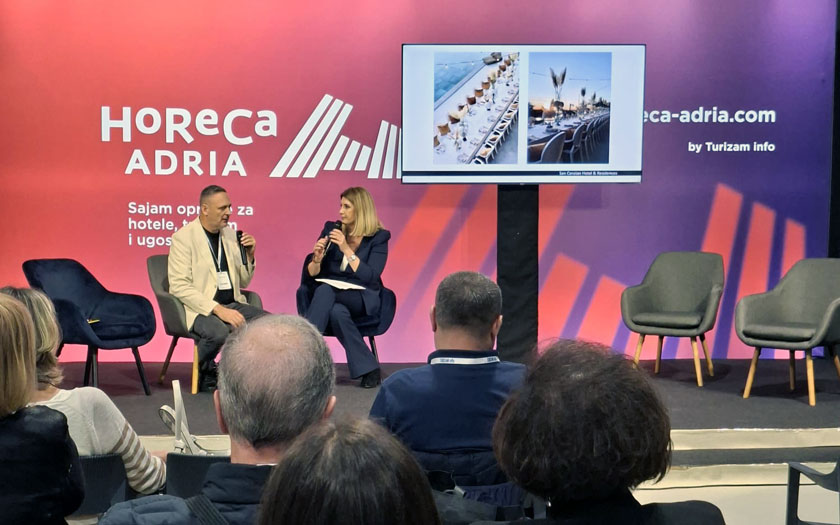
The situation is similar with outdoor spaces. In coastal destinations, where summers are increasingly hot and weather conditions more unpredictable, planning an event venue must also include quality shade, covered zones and alternative scenarios. "We can no longer count on being able to organize every event outdoors during the summer. If temperatures reach 40 degrees, spending time in the sun is not pleasant. Likewise, summer rain or a sudden drop in temperature in the evening can change the entire plan. That is why covered areas and well-designed horticulture are an important part of the project. You need to have a plan B, but in such a way that the guest still enjoys being outdoors," says Ružić.
Such forward thinking is particularly important for hotels in Istria and Dalmatia that want to extend operations beyond the peak summer months. Congresses, business events, weddings and private celebrations can help fill capacities in the pre-season and post-season, but only if the spaces and amenities for them are planned in time.
Weddings as a business opportunity, and design as a tool for creating a special stage
Ružić sees particular potential in destination weddings, for which Croatia, and especially Istria and the southern Adriatic, possesses a number of natural and cultural advantages. Foreign couples do not come just for a single evening. Their wedding often involves a multi-day stay, the arrival of family and friends and a series of accompanying events. "This is a very interesting business model for hoteliers and owners of tourist properties. Guests can arrive as early as Thursday and stay until Sunday, and each day can have a different scenography and atmosphere. For the investor, this means several days of occupancy, as well as the opportunity to generate new revenue through additional content," he explains.
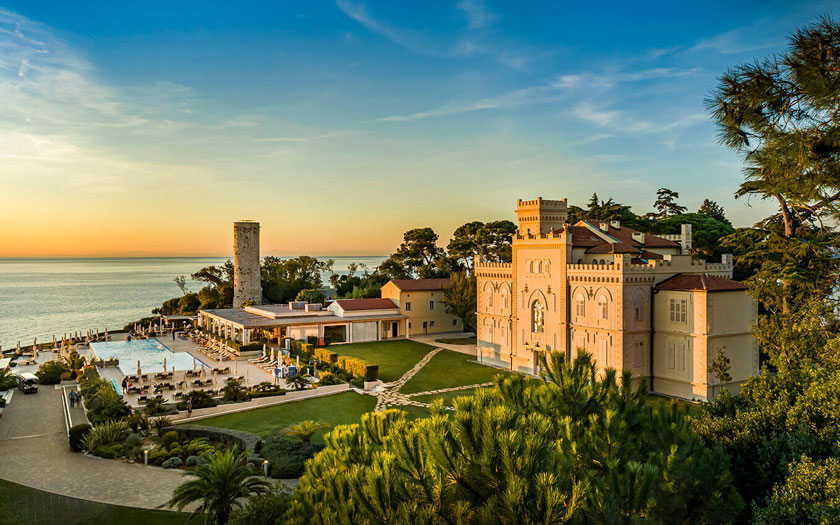
As an example, he cites a recently organized wedding at the castle on the island of Sveti Nikola in Poreč. It is a space with a pronounced historic character to which some of its former splendour needed to be restored and put to use for a special event. This is precisely one of the key ideas of his design approach: recognizing the potential a space already has and presenting it in a new context. It is not always necessary to build something new. Sometimes it is enough to carefully select lighting, decoration, materials and scenographic elements so that existing architecture is experienced in a completely different way.
However, a space requires continuous care and development: "It is not enough to draw up the conceptual and main design, execute it and think the job is done. A space needs to be nurtured and constantly developed through content that will satisfy the needs of guests, as well as those of the hotelier or restaurateur themselves."
Destination authenticity cannot be replaced by design
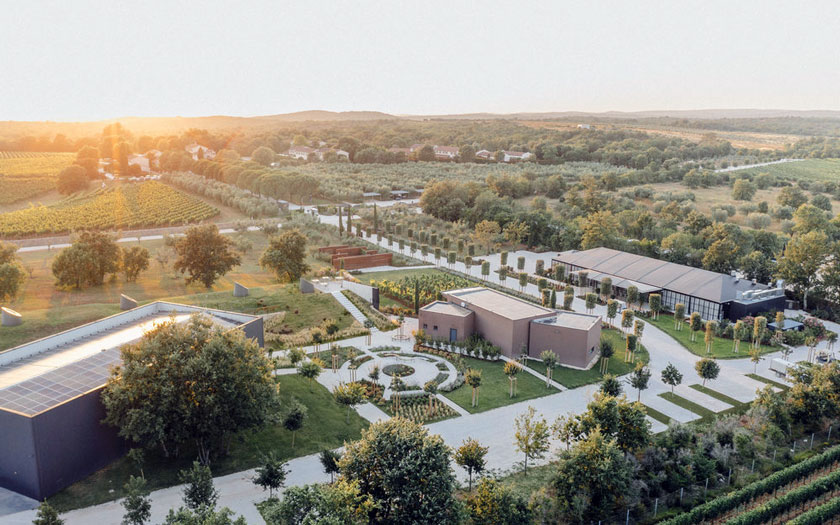
Although design and scenography can significantly change the perception of a space, Ružić warns that the immediate surroundings are also important for the success of a tourism project. A good project does not start only from an attractive plot of land or building, but also from an analysis of everything located in its vicinity. As an example, he mentions Meneghetti in Istria and its relationship with nearby Bale. It is precisely the combination of architecture, landscape, local culture and the atmosphere of the place that creates a holistic experience that a guest cannot get simply by staying inside the hotel complex: "It is important that, in addition to the accommodation itself, the guest can also experience the emotion of the place they are staying in. The surroundings, people, culture and microlocation are part of the tourism product. When all of this is connected well, an experience is created that is much more than just a stay at a hotel."
Such an approach is also the starting point of his design signature, in which he connects contemporary elements with the history and tradition of the region, striving at the same time to preserve the authenticity of the space. For hoteliers and restaurateurs looking to develop their business through special events, his message is clear: the potential of a space should not be measured solely by its surface area or existing purpose. It is important to recognize everything it can become, how it can be used throughout the entire year and what kind of experience it can offer the guest.