Rediscover 2026: What artificial intelligence, modern technology, and data mean for hotels as early as next season

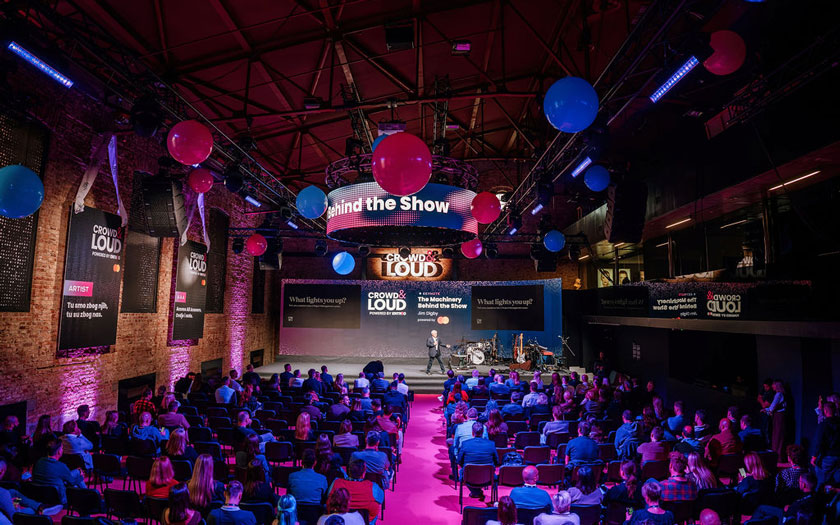
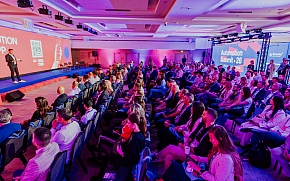
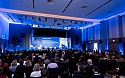
More than 600 participants from across the region gathered on 12 November at Zagreb's Lauba for the second edition of the CROWD & LOUD powered by Entrio conference, turning Zagreb into the centre of the regional event industry for a day. Over ten hours of program, four major panels, international guests and open business discussions brought together the people behind the biggest concerts, festivals, sports and cultural events. Networking and conversations continued off stage as well, opening up space for new connections, partnerships and future collaborations.
"We wanted to create a place where the regional event industry could truly meet – not just to listen to lectures, but to talk openly about problems, exchange experiences and connect people doing the same job across different markets. Having more than 600 participants showed us just how much such a gathering is needed. We are particularly pleased that the conversations were just as lively off stage as they were on it. We want to develop Crowd & Loud as a place where ideas, collaborations and projects that will shape the future of the industry are born," emphasized Zrinka Bockovac, Conference Director and Chief Marketing Officer at Entrio.
More concerts than ever, tickets pricier than ever and organizers warn about 2027
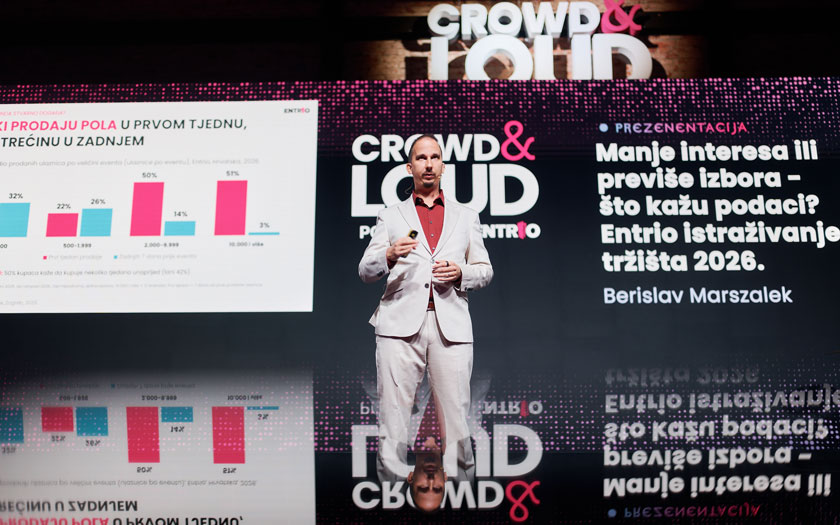
One of the most important topics of the conference was opened by Berislav Marszalek, Founder and Chief Innovation Officer of the Entrio Group, who presented new market research. The data revealed an interesting paradox: in 2025, 19.3% more pop and rock concerts were held, while tickets for cinema, theatre and concerts rose in price by 10.1%, yet as many as 51% of organizers who sold events for three consecutive years recorded fewer tickets sold than in 2024. Audience interest has not disappeared, but the choice is growing ever wider and competition ever fiercer.
Regional promoters built on these findings during the panel Igra rokenrol cijela Jugoslavija (The Whole of Yugoslavia Plays Rock 'n' Roll). Zvone Pušić from YEM warned that the drop in ticket sales has only just begun and that 2027 could be even more challenging. According to his assessment, the market will have to adapt: either fewer concerts will be held or someone will have to start lowering artist fees. Petar Petrović pointed out the growing gap between rising organizational costs and ticket prices that regional audiences can afford, though he expressed optimism regarding the long-term development of the industry. Danilo Dimitrijević from Charm Music reminded everyone that despite smaller budgets, the region holds a key trump card in negotiations with global stars – unforgettable hospitality. Login Kochishki, founder of Password Production, stressed how crucial it is today to stand out from the competition, sharing a story about a concert in Mexico City that initially sold just 33 tickets. Instead of giving up, the musicians took to playing in the streets and markets, finding their audience themselves. Just a month later, they drew a crowd of 1,200 people.
In an industry where the numbers often do not favour the organizers, persistence and resourcefulness can still make all the difference.
Large productions are growing, but are there enough people to organize them safely?
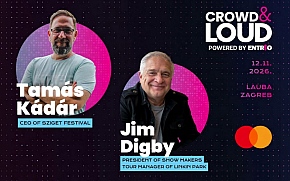
What happens when the production of large-scale events grows faster than the number of skilled professionals able to organize them safely? One of the most serious questions of the conference was raised by Jim Digby, President of Show Makers and Tour Director for Linkin Park, who has worked with Bon Jovi, Genesis, The Killers, Marilyn Manson and other major global names over the course of his career.
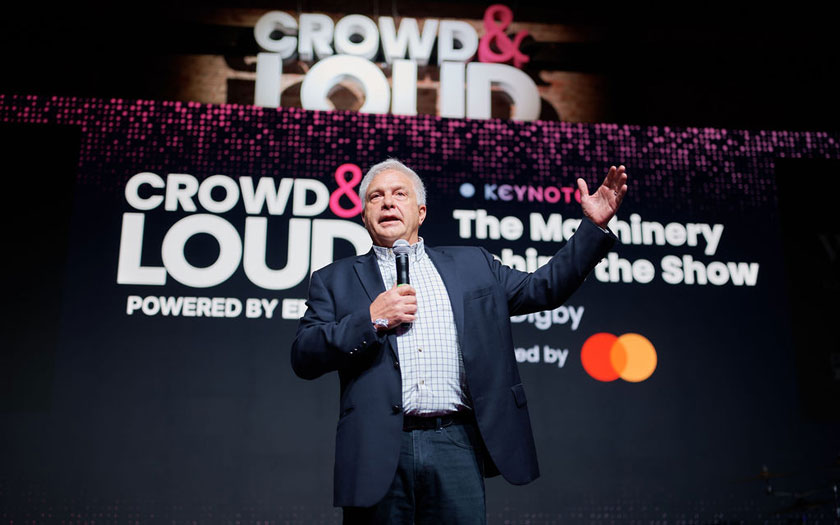
Behind the spectacular stages, sold-out stadiums and tens of thousands of attendees lies a responsibility that audiences rarely think about. Digby, drawing on his experience from 26 major arena tours, warned that the growth of productions must be matched by the development of skilled teams, safety standards and high-quality risk management. He also shared a few intriguing backstage stories. While working with Marilyn Manson, he dealt with unpredictable behaviour from the artist, whom he once had to remind that the show had to be completed because the audience had paid for their tickets. His motto "No drama in the camp" sums up a work philosophy in which good relationships, stable teams and professional accountability count just as much as production excellence. Because the biggest job at a concert often happens precisely where the audience isn't looking.
From 300 seats to sold-out arenas: Sport no longer sells just the result
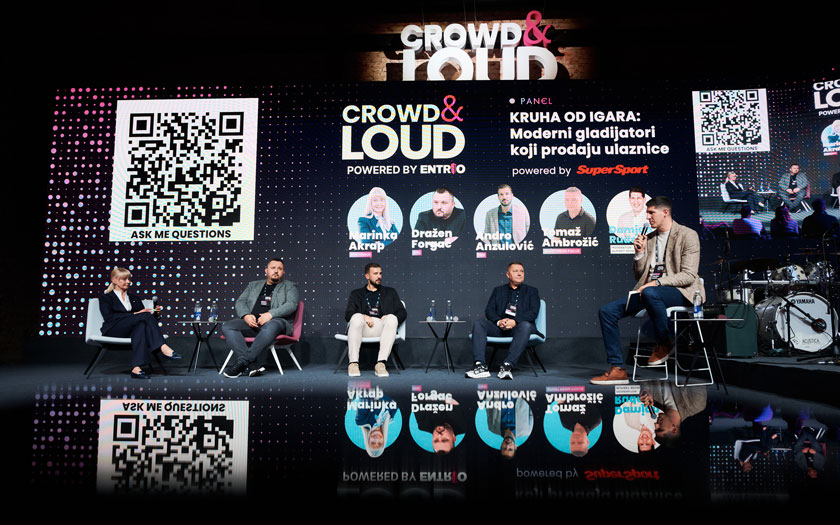
Just how much the boundaries between sport and the entertainment industry have shifted was shown during the panel Bread from Games – Modern Gladiators Selling Tickets. Dražen Forgač, founder of FNC, recalled the beginnings of the martial arts organization, which grew from a 300-seat hall and five fighters into a regional phenomenon with more than 120 contracted fighters. Today, their spectacles fill major arenas, with fans travelling to FNC events from as far away as Helsinki and Oslo. Marinka Akrap from Hajduk spoke about the power of belonging to a club and the emotion that brings fans to Poljud Stadium even when results are not what supporters might wish for. She singled out Marko Livaja, whose shirts are among the bestsellers, while stressing that Hajduk must always remain bigger than any individual. Tomaž Ambrožič from Sport Media Focus emphasized that a sporting event is no longer just about what happens on the pitch. Atmosphere, infrastructure, food and beverage offerings and every organizational detail create an experience that keeps audiences coming back, even when the result falls short. Andro Anzulović from the Croatian Basketball Federation raised the issue of ticket-buying culture for sporting events. While audiences pay for the cinema or theatre, sporting events are still often perceived as something that should be free. Changing that habit is vital for the development of sport and the quality of the spectator experience.
A new cultural centre for 730 children and global stars in Čepin?
Alongside global stories and market discussions, Crowd & Loud also featured presentations of concrete investments in cultural infrastructure. Marko Pipunić presented Eve Music Hall, a concert and congress hall in Čepin aiming to attract major international music acts and put eastern Croatia on the regional concert map. Although the venue has already been built, the real challenge is only just beginning: attracting performers, developing an audience and ensuring the long-term sustainability of a privately funded project.
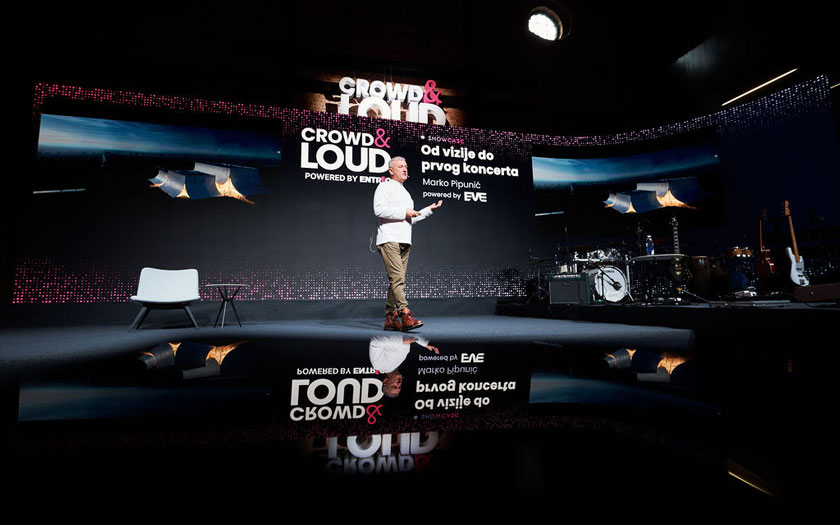
Similar entrepreneurial ambition was shown by Jan Kerekeš, who, in a conversation with Rene Bitorajac titled Rumble in the Jungle: Private Entrepreneurs in Culture, revealed details of a new cultural centre designed for as many as 730 children. Behind the project lie years of work, substantial financial risk and a desire to create better conditions for new generations.
From Sarajevo parties to viral events: Audiences are increasingly buying the experience
How to build a recognizable event brand and retain an audience in an era of growing competition was the focus of the panel Everything Still Smells Brand New. Aida Čustović from Sarajevo's Matinée revealed how unusual locations, including City Hall, have become one of the key draws of their electronic parties. Today, audiences no longer ask only who is performing, but where the next event will take place. Vid Juračić, the mind behind the concepts KPP, Taking the Trash Out and Bailar, highlighted the importance of creating and posting content while the event is still underway. In the age of social media, an event no longer lives solely among its attendees, but also on the screens of those who wish they were part of the story. Goran Mihovilović pointed out the international promotional value of major concerts for cities and tourist destinations, while Boris Horvat from Aquarius Records spoke about the role of record labels as long-term partners to artists.
Croatian teams now deliver over 90% of the Ultra Europe festival production
How far the domestic event industry has come was also demonstrated by data presented by Joe Bašić in the segment Together We Are the Industry, supported by HDS ZAMP. At the first edition of the Ultra Europe festival in 2013, domestic production accounted for around 30%, whereas today, according to his figures, it exceeds 90%. According to data shared at the conference, the industry employs around 10,000 people and possesses the expertise and teams capable of delivering the largest international events. Nenad Marčec, Director of HDS ZAMP, warned of the financing challenges facing creative industries, whose revenues – unlike traditional business models – often depend on high risks and individual projects.
The risks of large-scale events were also discussed by Gert-Jan Struye from Circles Group and Igor Soviček from DPS Specialty. Struye shared the example of a festival with 150,000 attendees that was threatened by a severe storm just hours before opening, while Soviček warned that insurance in the event industry should not be viewed merely as an extra expense, but as an integral part of responsible planning.
Rambo on freedom and money, Shamso69 on a career without a record label
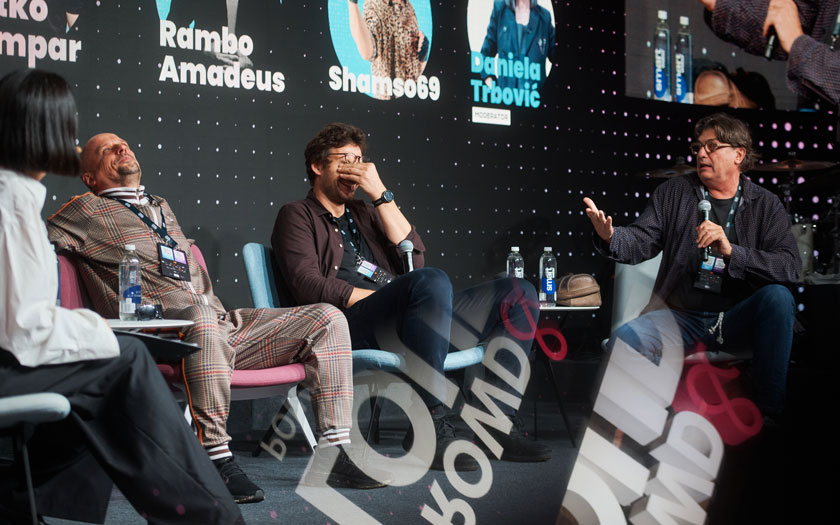
To wrap up the daytime program, the panel You Get What You Pay For brought a more light-hearted discussion on earnings, creative freedom and business independence. Rambo Amadeus, Shamso69 and Vlatko Štampar, alongside moderator Daniela Trbović, proved that money can be discussed with plenty of humour too. Rambo Amadeus noted that he would make music even for free, as composing is a necessity for him rather than merely a job. In his trademark style, he explained his own hierarchy of priorities, where family, children, his mother, beautiful women and he himself share first place, with money coming only second. His message on artistic freedom was simple: "If you want to be free, you have to be modest." Shamso69 recalled the days when record labels showed no interest in Brkovi. By the time labels finally wanted to work with them, the band had already built its own business model and no longer needed them. Independence gave them both creative freedom and greater control over their earnings. Vlatko Štampar shared his own story of leaving a secure office job to pursue stand-up comedy, confirming that success in the creative industries often begins with decisions that do not look the most rational on paper.
When the conference ended, the show began
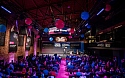
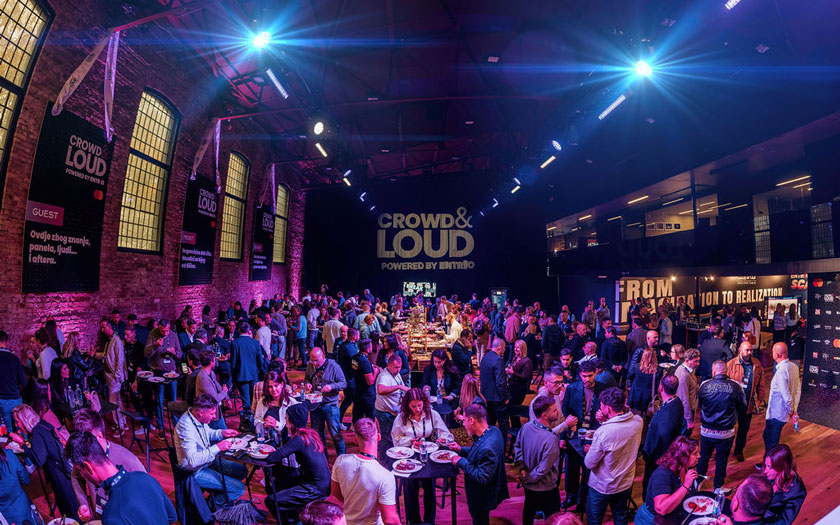
Lauba transformed from a conference space into a concert club, and the evening program kicked off with the Entrio Group Awards, recognizing the organizers, projects and brands that shaped the regional event scene. Among the winners were Money Motion, GNK Dinamo, SHIP Festival, Matinée, Hardbeats, Dostava zvuka, B Glad Produkcija, HaHaHouse - Museum of Laughter and Incognito Agency, alongside awards for top sales results in the music, sports and stand-up categories.
The evening music program brought together performers across generations and genres: Rambo Amadeus, Edo Maajka, Shamso69 from Brkovi, Nika Turković, Stela Rade and Žare from S.A.R.S., accompanied by Ivan Pešut and his band, as well as a performance by aerial artist Tamia Šeme. The music and stage program continued in a party rhythm, and Lauba showed what happens when the people who organize entertainment for others become the audience themselves.
A special reason to celebrate was Entrio's 15th anniversary, which the entire team marked with a joint celebration and birthday cake.
The second edition of Crowd & Loud confirmed the importance of connecting the regional event industry, exchanging experiences and creating new business opportunities. Following two successful editions, the conference continues its story and announces its third edition with new international guests, topical themes and gatherings of the people driving the scene forward.