Zagreb Congress Centre – project being refined according to industry proposals, architectural competition to follow

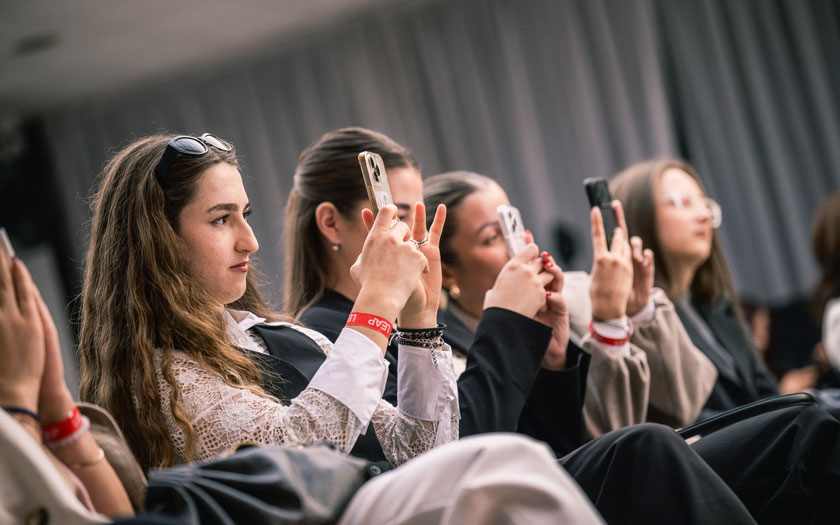
The generational shift in the labour market is no longer merely a topic for the future. The famous Generation Z is increasingly present among attendees of conferences, business meetings and incentive programs, and its expectations are prompting organizers to reconsider formats that have been the industry standard for years. However, the changes do not apply only to younger attendees. Today, four generations meet in the same conference halls – baby boomers, Generation X, millennials and Generation Z – expecting different things from events, yet sharing a need for quality content, useful contacts and a sense of belonging.
According to estimates presented at the World Economic Forum, by 2034 as much as 80 per cent of the workforce will consist of millennials, Generation Z and the first adult members of Generation Alpha. For organizers, this means that the audience they are used to will no longer be the same. Adaptation cannot remain limited to cosmetic changes such as shorter lectures or a wider selection of digital tools. It is necessary to reconsider what motivates attendees to come, what they consider worth investing their time and money in and what kind of experience they expect.
Are young people less willing to work or do they just view work differently?
Generation Z is often described as less loyal to employers, impatient, demanding or insufficiently prepared for hard work. However, how much of this image is well-founded and how much stems from a clash of different expectations in the workplace?
Part of the perception arises because young people speak more openly about boundaries between work and private life, expecting feedback, more clearly defined tasks and opportunities for development. They are less inclined to accept the unwritten rule that professional dedication is proven through long working hours, constant availability or accepting poor conditions as a necessary start to a career. What may look like a lack of patience or work ethic to more experienced colleagues, young people often see as a matter of transparency, respect and the sustainability of the working relationship.
A 2026 Deloitte survey, conducted among more than 22,500 members of Generation Z and millennials across 44 countries, shows that only 25 per cent of Generation Z prefer rapid advancement marked by frequent promotions. The majority prefer more gradual development or lateral moves that allow them to gain experience. Only six per cent cite reaching a leadership position as their primary career goal. This does not mean they lack ambition, but rather that they do not necessarily measure success by a title or the speed of climbing the hierarchical ladder. What matters to them are stability, skill development, financial security and a sustainable workload.
Although one should never generalize and attribute certain traits to an entire generation, employer perceptions do exist. Research by the UK's CIPD showed that 53 per cent of employers who hired young people believe they do not have realistic expectations about work and the working environment. At the same time, 82 per cent of surveyed employers believe that work-life balance is more important to young people than to previous generations. This is precisely where room for misunderstanding arises: expectations that young people consider a normal part of a quality working relationship are still perceived by some employers as excessive demands.
What does the new generation expect from business events?
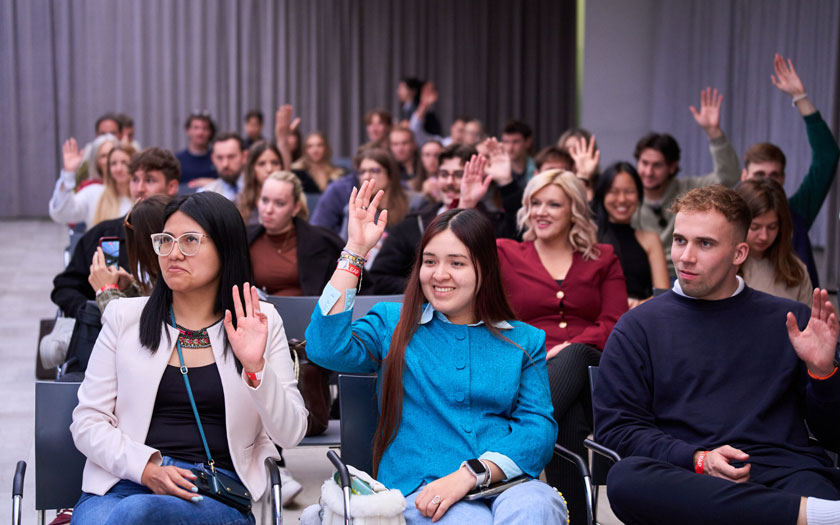
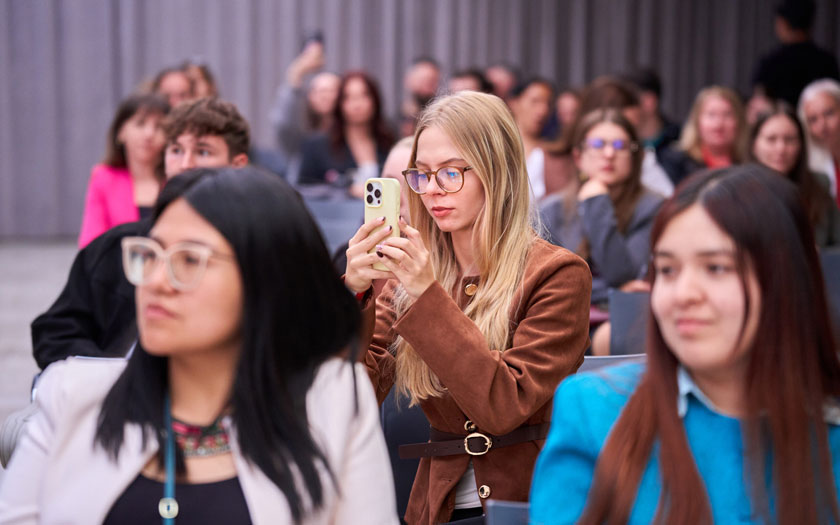
The shift in expectations is also visible in the way young people choose conferences and business meetings. According to the Skift Meetings report Events for a Multigenerational Workforce, attendance at plenary sessions among the youngest attendees has dropped by 50 per cent. This does not mean that Generation Z does not want to learn or that it lacks an attention span, but that it evaluates the value of time spent at an event differently. Long lectures without interaction, pre-scripted panels and generic motivational messages find it increasingly difficult to compete with content that delivers concrete knowledge and applicable insights. Younger professionals want to hear the experiences of people who face industry challenges every day, including mistakes and failures, rather than just carefully crafted success stories. They are interested in tools, practical examples, new technologies and knowledge they can immediately apply in their work.
Of course, this does not mean all lectures must last 15 minutes. The problem is not necessarily the length of the content, but information overload and a lack of meaningful participation. Workshops, roundtables, small-group discussions, interactive problem-solving and live polling offer different ways of getting involved. Attendees can thus choose the format that suits them best, instead of following the entire program as a passive audience.
The way organizers communicate the value of attendance is also important. A 2026 survey by American Express Global Business Travel and Ipsos shows that 67 per cent of Generation Z business travellers want to increase their number of business trips to support career development, which is almost equal to the overall average of 68 per cent. At the same time, 55 per cent of Generation Z believe that business travel makes their job more interesting and fulfilling. Therefore, younger professionals have not lost interest in business travel and face-to-face meetings; they simply want to know what concrete benefits these will bring them.
Authenticity and sustainability more important than technology
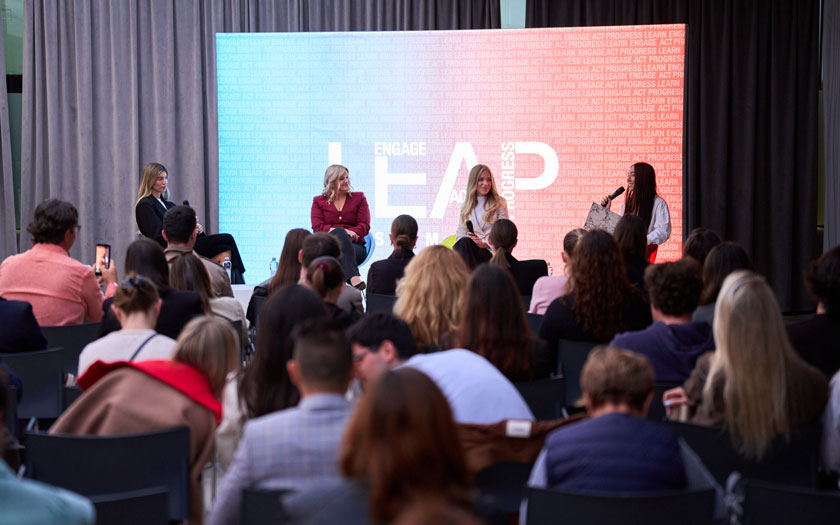
Although Generation Z grew up with digital technologies, the assumption that virtual connection is enough for them is proving to be wrong. They consider the energy of being in the same room with colleagues and experts an experience that online platforms cannot replace. At the same time, they are not necessarily looking for more contacts, but for higher-quality relationships and a sense of belonging to a community. Instead of informal networking where attendees are left to their own devices, better results can be achieved through themed groups, moderated discussions, mentoring sessions and clearly structured opportunities to meet others. Information about what awaits attendees, who each session is intended for and how they can get involved is particularly useful. Such predictability reduces discomfort, especially for those attending a large business event for the first time.
Technology remains important in this context, though not as an end in itself. Although Generation Z uses artificial intelligence intensively, according to findings from the aforementioned Skift Research, it is more cautious than millennials when it comes to handing over control to artificial intelligence. More than three-quarters of respondents want to retain full or partial control if an AI tool plans their trip. Digital tools should facilitate the experience, not replace human interaction.
Sustainability is also becoming an important element of the experience. According to the Amex GBT and Ipsos report, as many as 52 per cent of Generation Z business travellers feel guilty about the environmental impact of business travel, compared to 43 per cent of all respondents. Furthermore, 56 per cent of Generation Z are willing to choose a less convenient travel option if it is more sustainable, while the overall average is 46 per cent. Half of young business travellers are also considering reducing the number of business trips due to their environmental impact.
For organizers, this means that sustainability should not remain merely one of the items in the final event report. It is important in the choice of location, mode of arrival, local suppliers, gastronomy and the overall organization of the program. In doing so, it is important to offer concrete options, not just communication messages about responsibility.
Do not design for generations, design for attendees' needs
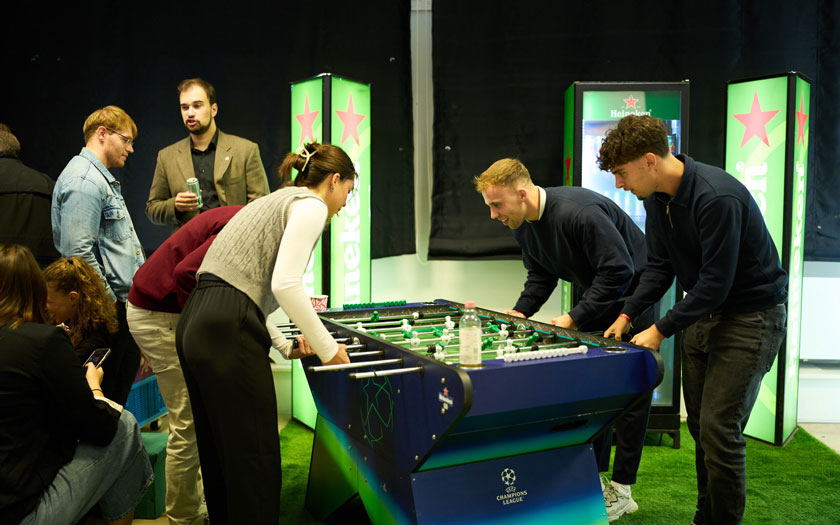
Despite increasingly pronounced differences in behaviour and expectations, experts warn that organizers should not fall into the trap of generational stereotypes. Age alone does not say enough about what an individual wants from an event. It is more important to understand their values, career stage, goals and motivation. In practice, this means more flexible programs, the ability to choose between different formats, time for rest and informal communication, healthier food options and spaces for quieter work or a break. It is also useful to learn more about attendees' interests and goals already during registration, rather than relying solely on data such as job position or title.
Generation Z as future event organizers
For the meetings industry, this topic is much broader than adapting programs to a younger audience. Today, Generation Z is among the students, interns and young employees just entering the industry, and in the coming years they will take on increasingly responsible roles in PCO agencies, destination management companies, hotels, convention bureaux and corporate event teams.
The role of event organizers is changing at the same time. Alongside logistics, budgets, production and supplier coordination, strategic thinking, understanding attendee needs, data analysis, technology management, measuring business impact and creating meaningful experiences are becoming increasingly important.
This raises the question of preparing new generations for a rapidly changing job. Young people need opportunities to learn through real projects, mentoring, gradually taking on responsibility and understanding the entire event organization process. Employers, on the other hand, must communicate more clearly what the industry offers: dynamic work, international contacts, creativity, the opportunity to work on diverse projects and visible results of one's own work. However, it is equally important to offer realistic conditions, structured onboarding and opportunities for professional advancement.
These very issues will also be addressed at the 15th Croatian Meetings Industry Forum, organized by the Croatian Meeting Professionals Association (CMPA) on 9 December 2026 at the Novotel Zagreb hotel. The central theme of the Forum will be the future of the profession and the challenge of attracting and retaining young talent. A presentation on this topic will be given by Prof. Danijela Ferjanić Hodak, PhD, from the Faculty of Economics and Business, University of Zagreb, who conducted a survey among industry employers as well as students for this purpose. It will be interesting to see whether the results of the local research and the panel will point to guidelines on how to bridge and reduce the generation gap, allowing enterprising, enthusiastic and capable young professionals to take over the meetings and incentives industry.