From May 2027 Dubrovnik will be directly connected to Canada

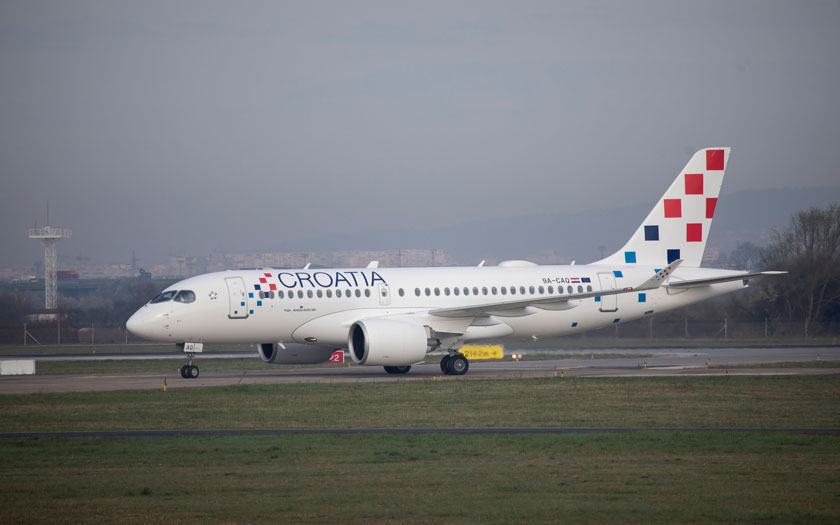
Between January and May 2026, Croatia Airlines carried 775,000 passengers, representing a 20 per cent increase, or around 130,000 more passengers compared to the same period last year. This is a historic result for the period, confirming the strong operational growth of the Croatian national carrier.
Positive trends were recorded in every month since the beginning of the year: in January, the number of passengers carried was 24 per cent higher than in the same month of 2025, with increases of 21 per cent in February, 24 per cent in March, 21 per cent in April and 16 per cent in May. It is particularly important to note that Croatia Airlines achieved passenger traffic growth in April despite the fact that Croatia's two largest airports recorded a drop in traffic during the same month, with Zagreb International Airport seeing a one per cent decline and Split Airport a three per cent decrease.
These results further confirm the importance of Croatia Airlines in connecting Croatia with European destinations, as well as its contribution to the overall Croatian aviation market, tourism and the economy.
Fleet renewal and crisis management under pressure from fuel prices
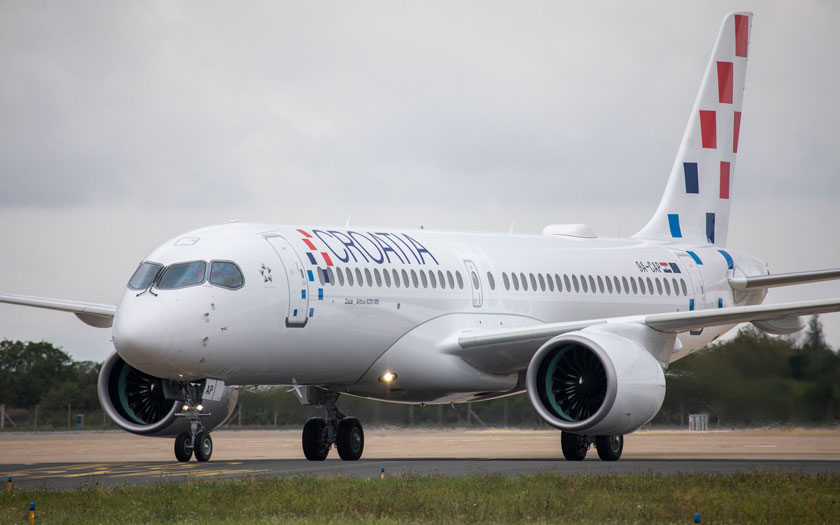
Furthermore, this passenger traffic growth was achieved during a period in which the company continues to implement the largest project in its history — renewing its fleet with new Airbus A220 aircraft. This initiative is laying the groundwork for long-term operational efficiency, higher service quality and more sustainable business development.
At the same time, the current crisis caused by the war in the Middle East and the subsequent surge in jet fuel prices caught the company precisely during a phase of robust operational growth. In these new circumstances, marked by pronounced volatility in energy prices and complex geopolitical developments, Croatia Airlines is pushing ahead with its fleet renewal project whilst adapting its operational and commercial activities to mitigate business pressures as much as possible.
Fuel represents one of the largest operational costs in the aviation industry, and recent market disruptions have led to a significant increase in prices. Instabilities in energy markets directly affect the operations of all airlines, including Croatia Airlines. The current situation is expected to impact financial results in the coming period, as is the case across the global aviation industry, which is highly dependent on energy prices and the stability and security of the international environment.
Under such circumstances, Croatia Airlines is applying crisis management mechanisms, which involve continuous activities to optimise operations, carefully manage costs and revenues, and maximally preserve the stability of the flight network and the business as a whole. In addition to energy market instabilities, geopolitical developments are further impacting the availability and cost of aircraft spare parts, which are also being negatively affected by the growing demands of the military industry.
For more than three and a half decades, Croatia Airlines has been ensuring Croatia's connectivity with Europe and the world, confirming its crucial role in citizen mobility as well as the development of Croatian tourism and the economy. The results achieved in the first five months of 2026 confirm that the national carrier, despite exceptionally complex global market conditions, continues to strengthen its market position and fulfill its key role in transport connectivity between Croatia and the world.