From May 2027 Dubrovnik will be directly connected to Canada

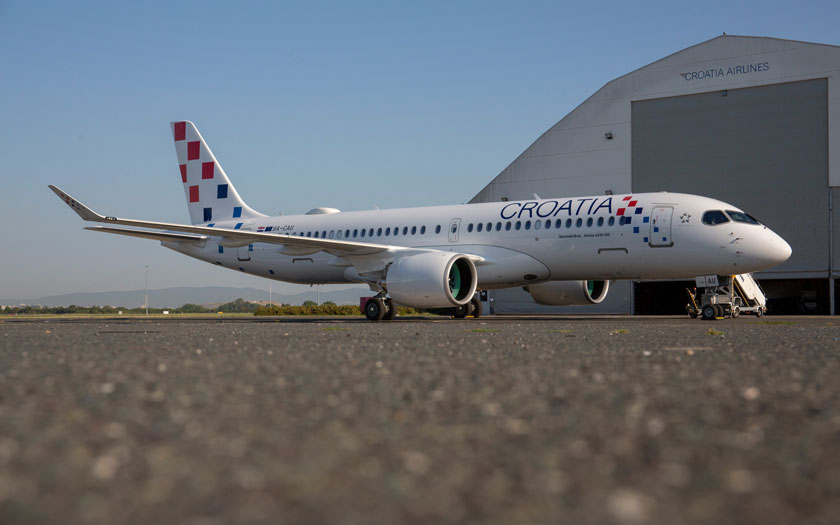
In just a few days, Croatia Airlines presented a series of important news items confirming that the largest investment cycle in the company's history is taking place according to the planned dynamics. The national air carrier welcomed its tenth and eleventh new Airbus A220 aircraft, achieved a record number of passengers in the first half of 2026 and further strengthened its position in the Croatian aviation market.
For business travellers and international event organisers, this is positive news because the modernisation of the fleet means a more reliable flight network, greater operational efficiency and a higher quality travel experience to Croatia.
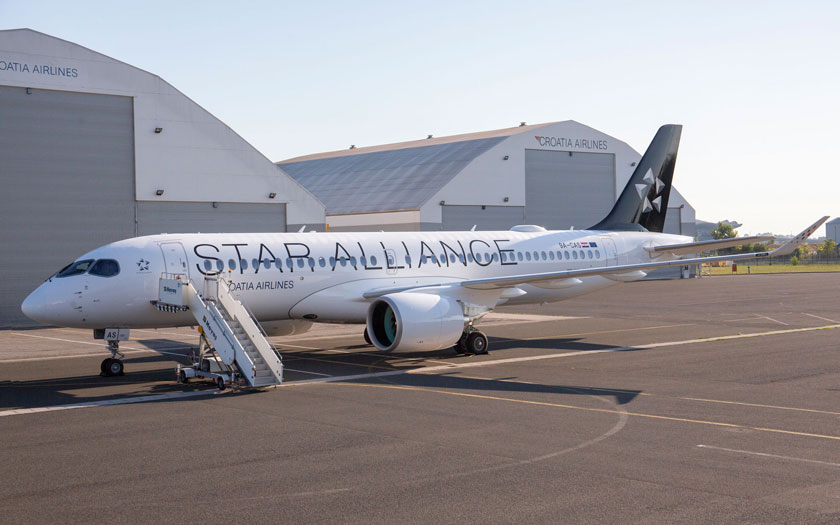
First Airbus A220 in Star Alliance livery
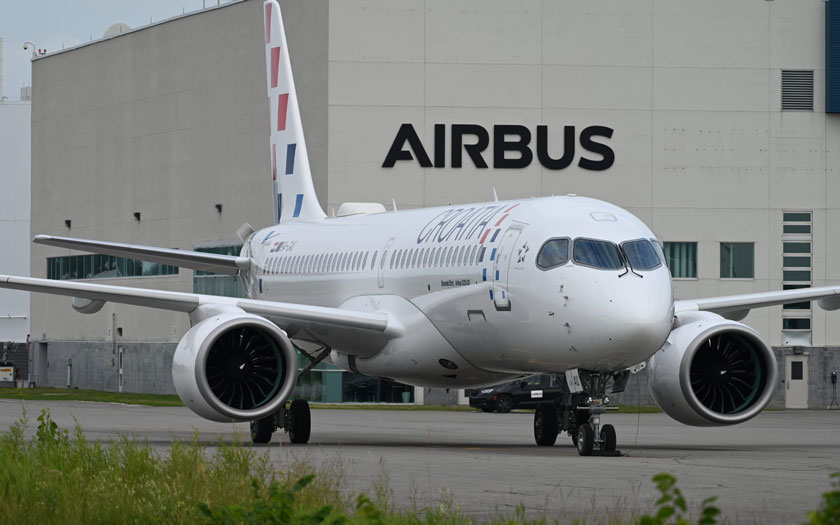
The tenth Airbus A220-300, registration mark 9A-CAS, which bears the name Velika Gorica, attracted special attention. Besides representing another step in fleet renewal, it is the first Airbus A220 aircraft in the world to fly in the recognisable visual identity of Star Alliance, the largest global airline alliance.
The new aircraft has a capacity of 149 seats and arrived at Croatia Airlines from the Airbus factory in Canadian Mirabel. Its arrival further confirms the long-standing partnership between the Croatian national carrier and Star Alliance, of which Croatia Airlines has been a member for more than two decades.
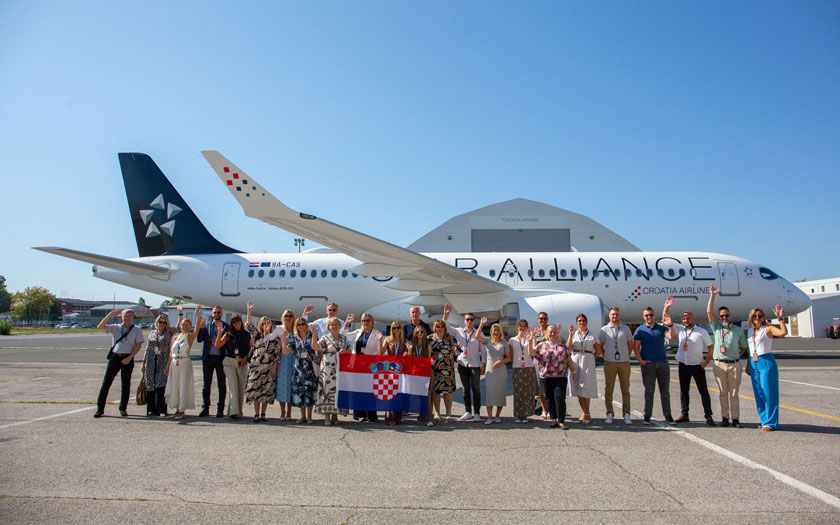
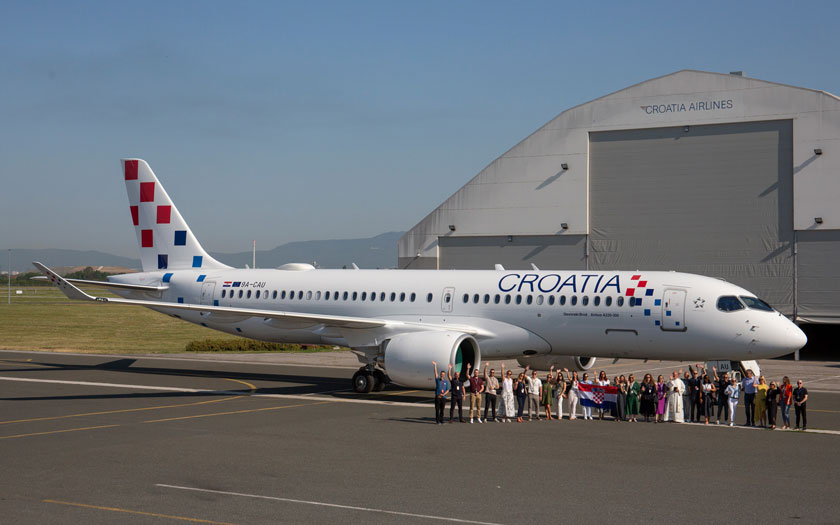
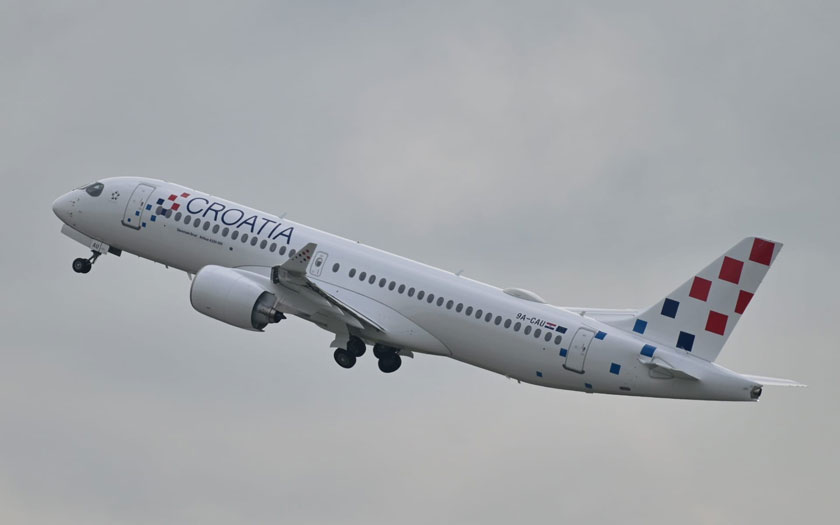
Just two days after that, the eleventh new Airbus A220 landed in Zagreb. The aircraft with registration mark 9A-CAU, which bears the name Slavonski Brod, is the ninth example of the A220-300 model in the company's fleet. With this, Croatia Airlines today has a total of eleven new Airbus A220s at its disposal – nine A220-300 aircraft and two A220-100 aircraft.
By the end of 2026, the delivery of three more new aircraft is expected, while the complete fleet renewal project should be completed during 2027, when Croatia Airlines will have a total of 15 Airbus A220 aircraft at its disposal.
Record of almost one million passengers in six months
Concurrently with the fleet renewal, the company is also recording very strong growth in demand. In the first half of 2026, Croatia Airlines transported a record 981,482 passengers, which is as much as 15 per cent more than in the same period last year.
Particularly significant is the growth of international scheduled traffic, which increased by 18 per cent, while the number of passengers on domestic routes rose by six per cent. Such a result significantly exceeds the growth of the total Croatian aviation market, which achieved a growth of three per cent in the same period.
Passenger kilometres achieved were also increased, aircraft seat load factor was improved, and the company completed more than 12,600 flights during the first six months.
For the Croatian meetings industry and business sector, such trends have a special significance. Good international air connectivity is one of the key prerequisites for attracting international congresses, corporate gatherings and incentive travel, and the growth in the number of passengers confirms the increasing accessibility of Croatia on the European market.
Major investment in a challenging market environment
Positive operational indicators were achieved in a period that Croatia Airlines describes as the most demanding transformation in its history. In parallel with the introduction of new Airbus A220s, the company is gradually retiring its existing fleet, investing in employee training and adapting operational processes to the new type of aircraft.
Operations are further burdened by disruptions in global supply chains, difficult availability of spare parts, delays in deliveries of new aircraft and a sharp rise in jet fuel prices caused by geopolitical tensions in the Middle East.
Due to a combination of increased operating costs, higher fuel prices and negative exchange rate differences, the company recorded a loss of 49.7 million euros in the first half of the year. At the same time, business revenues increased by 12 per cent, mostly thanks to the growth in the number of passengers.
Croatia Airlines points out that this is an expected period of increased investments, where full fleet standardisation will bring long-term benefits through lower fuel consumption, lower CO₂ emissions, simpler maintenance and greater operational efficiency.
Fleet modernisation thus remains one of the most important infrastructure projects of Croatian aviation in recent decades, and its effects should be visible not only in the business of the national air carrier, but also in the further strengthening of Croatia's international connectivity and the competitiveness of the domestic tourism and business sector.