Business titan Emil Tedeschi and BBC's Simon Reeve to headline sixth Greencajt festival


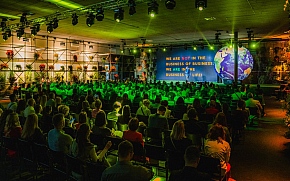
The sixth edition of Greencajt has concluded. It is the largest sustainability and green transition conference in the region, which over three days gathered more than 70 domestic and international speakers, alongside numerous representatives of the business community, institutions, the academic sector and civil society organisations at HNK2.
Under the motto "Good for Business. Good for People. Good for Planet.", this year's Greencajt demonstrated once again that sustainability is no longer a topic reserved for environmental debates, but a key business imperative that impacts competitiveness, innovation, attracting investment and the long-term resilience of organisations.
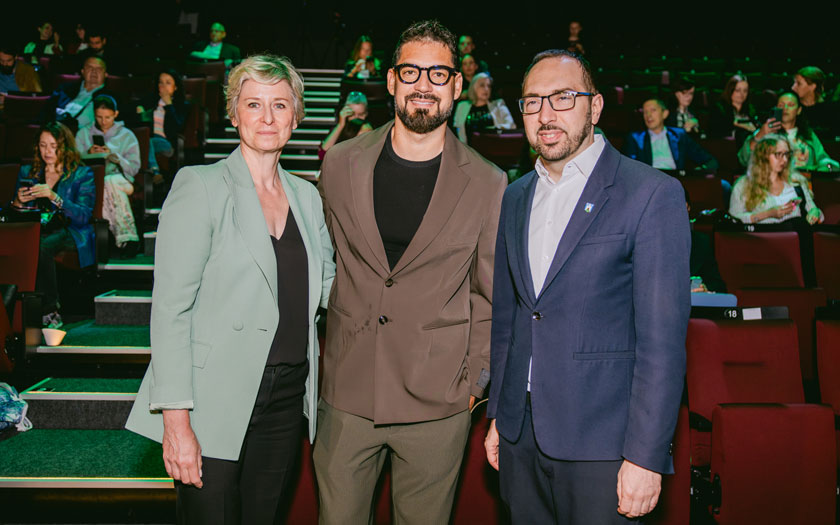
The conference was opened by the Mayor of Zagreb, Tomislav Tomašević, and the Director of Greencajt, Vinko Filipić, who pointed out that sustainability implies simultaneously thinking about the economic, social and environmental aspects of development. Special emphasis was placed on the need to strengthen economic resilience and create business models that can respond to increasingly pronounced global challenges.
Sustainability as a foundation of competitiveness and business resilience
One of the most important messages of this year's edition was that sustainability today represents a question of business relevance. Numerous speakers highlighted that a new generation of consumers, employees and investors expects more from companies than financial results, increasingly valuing their contribution to society and the environment.
Among the more notable speakers was Juan Verde, an internationally recognised expert in sustainable development and former advisor to several US administrations, who spoke about the global energy transition, climate policies and the role of the private sector in building more resilient economies.
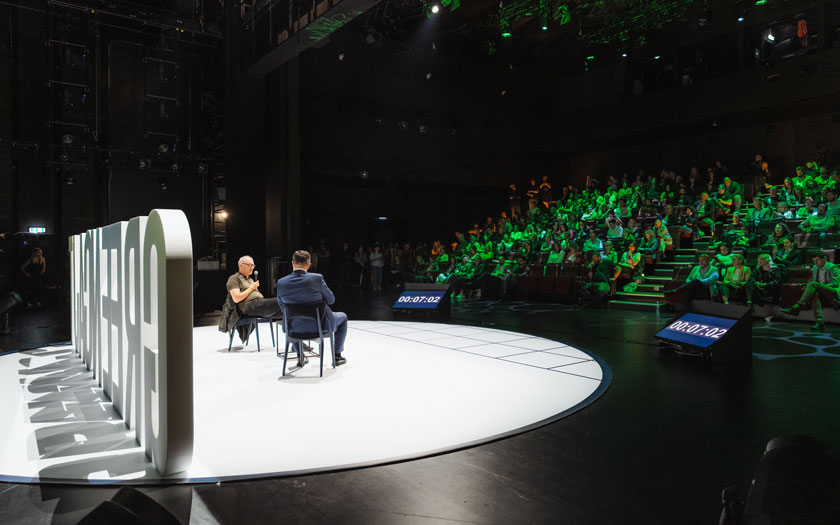
Great interest was also generated by the conversation with Emil Tedeschi, President of the Management Board of Atlantic Grupa. Through personal experiences and business insights, he emphasised that sustainability transcends the "green agenda" and represents a philosophy of building organisations that can operate successfully for decades. Trust, transparency and responsibility towards employees, partners and the community, he noted, are crucial prerequisites for long-term competitiveness.
Artificial intelligence, tourism and responsibility towards the community
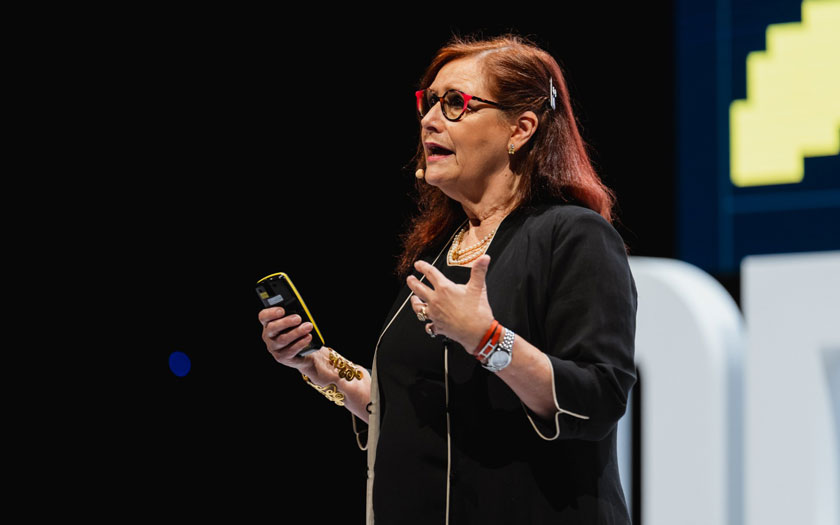
The second day of the conference opened the discussion on one of the most topical challenges of today – artificial intelligence. Kay Firth-Butterfield's lecture entitled "Trust or Chaos: Just because AI can – should it?" stimulated conversations about technology ethics, responsibility and the need for critical thinking about the digital future.
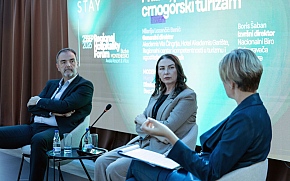
The programme also included topics of particular interest to the tourism and event industry. A panel on sustainable destinations raised the question of how tourism can become a driver of local community development, the preservation of the authenticity of space and the creation of a better quality of life throughout the year, rather than just at the peak of the tourist season.
The guest appearance of Simon Reeve, one of the world's most famous travel writers and BBC documentarians, attracted special attention from the audience, as he concluded his world tour "To the End of the Earth" right at Greencajt. His lecture on climate change, geopolitics and human resilience brought a powerful message about the importance of action and personal responsibility in facing global challenges.
The future of food as a business and social topic
The final day of the conference was dedicated to the future of food systems, health and innovations that connect science, gastronomy and sustainability.
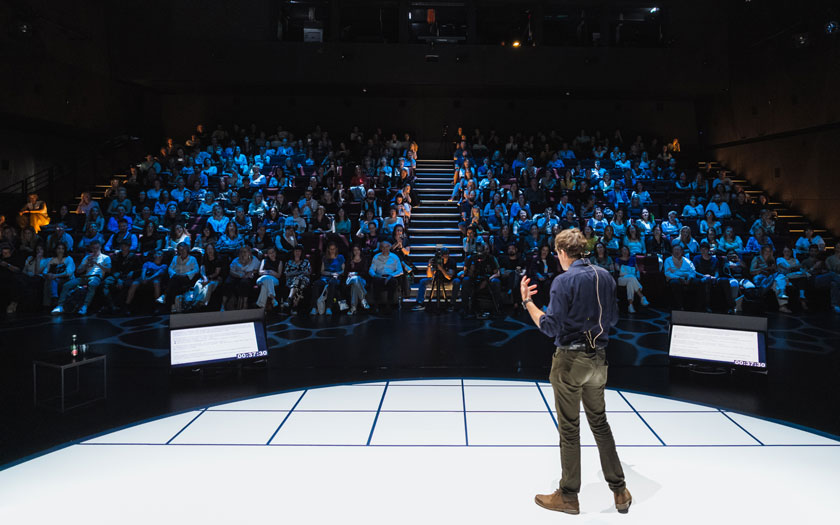
Michelin chef and UN World Food Programme ambassador Arthur Potts Dawson spoke about food as a value system, emphasising the importance of local production, the circular economy and waste reduction. His lecture further confirmed that sustainability today is becoming an integral part of all business segments.
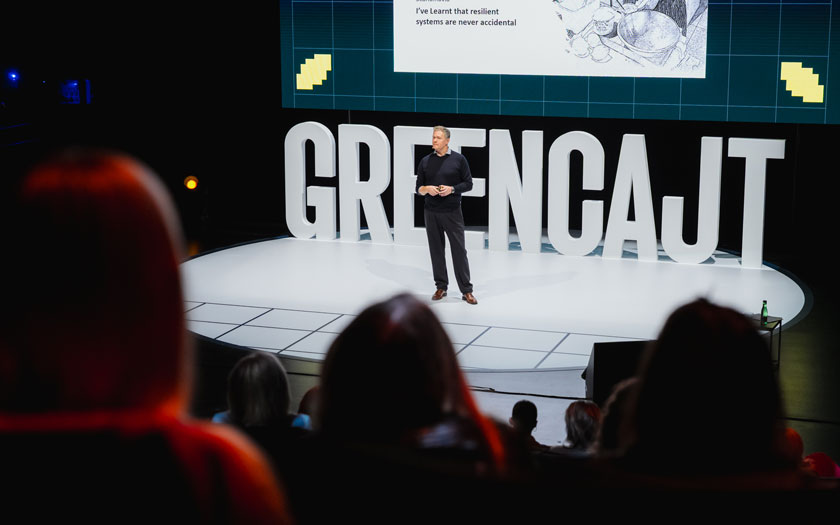
The programme was complemented by lectures on the microbiome, the nutrition of the future and the potential of algae as a sustainable food source, through which Greencajt once again demonstrated the breadth of topics that connect the economy, science, technology and everyday life.
During the three days of the conference, Zagreb hosted some of the world's most influential experts in the fields of sustainability, business, technology and social innovation. For the event industry, the hotel sector, destination management organisations and all stakeholders in business tourism, Greencajt reconfirmed that conferences today are not just places for exchanging knowledge, but platforms that shape the direction of economic and social development.
The sixth edition closed with a clear message: sustainability is no longer a choice or a trend, but a prerequisite for successful business and the development of competitive destinations in the years to come.