Montenegro ahead of the EU: How to prepare tourism for a new business phase

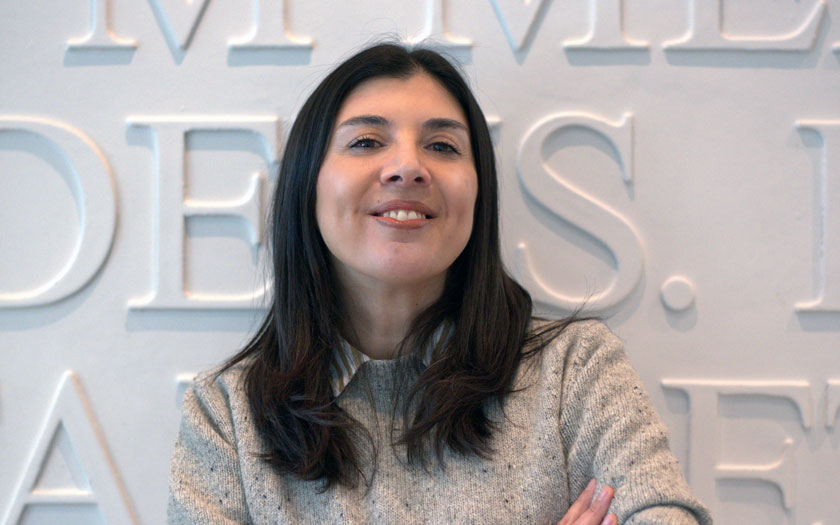
Born in Dubrovnik, Ana First has, over the course of a career spanning more than twenty years, worked across all key segments of the industry – from agency-based MICE business, to leading regional commercial and operational roles in hospitality, to management positions within renowned international hotel systems such as Hilton, Falkensteiner, and Marriott.
She has worked in Dubrovnik, Zagreb, Zadar, Split, and Montenegro, led sales teams at regional level, and managed complex hotel systems and destination projects. After working at Westgate Group as a management board member, she returned to Dubrovnik in November 2025 and took on the role of Chief Executive Officer at Dubrovnik Sea Sun Hotels, a group that includes three properties – Kalamota Beach House, Hotel Cavtat, and the newly opened Hotel Sumratin, which also offers conference facilities.

Below is a first-hand look at the professional turning points that have shaped her career, the strategic positioning of the hotel group, the development of Dubrovnik beyond the peak season, and the increasingly important role of boutique and high-end MICE formats.
Your professional journey spans almost two decades in agency business, hospitality, and especially the MICE segment. Which key turning points would you highlight as crucial to your current understanding of the market and of the role of a hotel company CEO?
My professional journey has lasted for more than twenty years, fifteen of which I have spent in hospitality, which is what defines me most today. Throughout my career, I have worked in an agency environment, held commercial and operational positions in hotels, and today I operate in a strategic role, which gives me a holistic view of both the market and the business.
My agency experience gave me a deep understanding of client needs and market dynamics, while the MICE segment taught me the importance of creating value through experience, flexibility, and effective planning. Operational roles gave me a strong foundation in the day-to-day reality of the business, while my current position allows me to focus on long-term sustainability and the development of the brand, people, and organization.
You took on the role of Chief Executive Officer of Dubrovnik Sea Sun Hotels in November 2025. How would you describe your first months in the position, and what are your main priorities this year?
The first months in the role of CEO of Dubrovnik Sea Sun Hotels have been extremely dynamic, but also very inspiring. I took over a group with three conceptually different hotels, each with a different market role and development potential, which requires highly precise strategic direction, while at the same time offering significant room for differentiation and long-term growth.
My initial focus was to gain a deep understanding of the people, processes, and market, because without that it is not possible to make quality and sustainable decisions. At the same time, we began to define the identity of each hotel more clearly, adapt our sales strategies, and place a stronger focus on year-round operations.
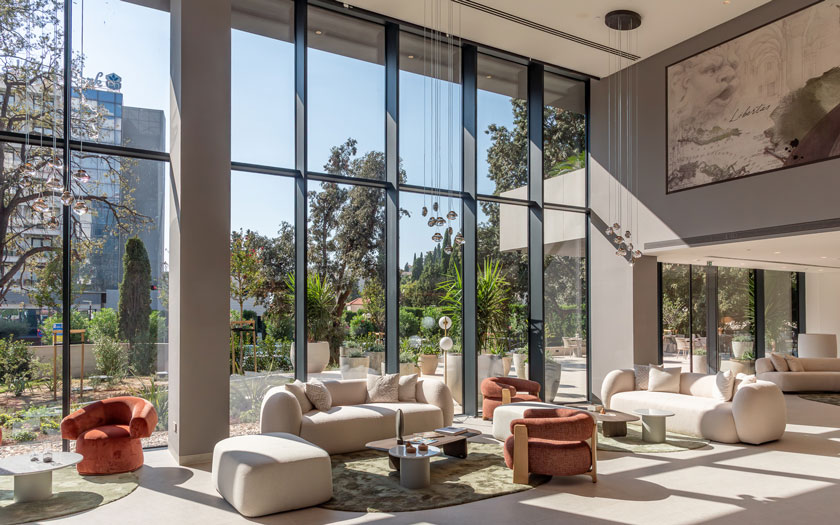
We are placing particular emphasis on the development of Hotel Sumratin, which we see as the driver of a new phase in the positioning of our group. Our goal is for Sumratin to become a reference point for contemporary luxury in Dubrovnik – a form of luxury that is not generic, but deeply rooted in the local context, culture, and way of life. Our approach to the guest experience is shaped not only by global trends, but by Dubrovnik’s local identity, its history, Mediterranean rhythm of life, culture, and aesthetics. In this way, we are creating a form of luxury that is distinctive, contextual, and sustainable in the long term.
Hotel Sumratin and Dubrovnik’s off-season potential
This group includes three properties in three very different locations. How are they positioned in relation to other hotels in Dubrovnik? Do they also have MICE capacities?
Our portfolio consists of three conceptually different hotels, each with a clearly defined market role and target audience. Kalamota Beach House is being developed as a lifestyle beach retreat, recognized as an oasis of peace, privacy, and regeneration, with particular potential for retreat programs and smaller, closed events outside the main season.
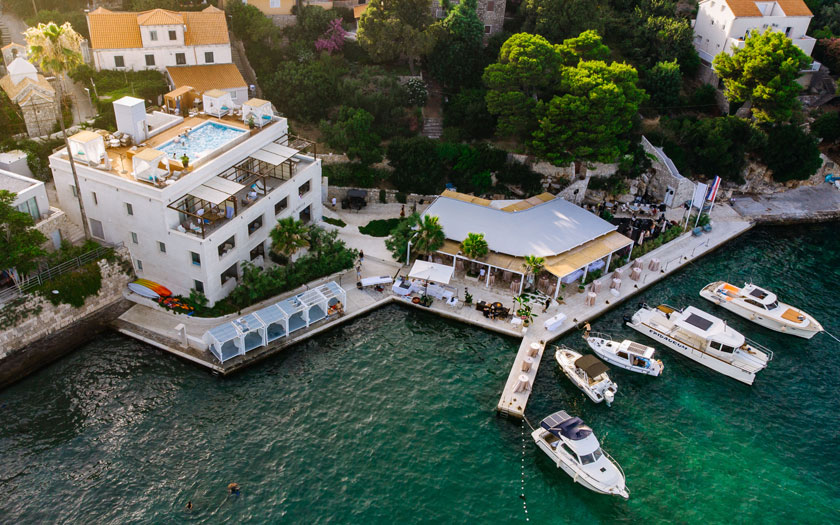
Hotel Cavtat currently responds strongly to the needs of the leisure travel segment, offering a relaxed Mediterranean atmosphere with a high level of service. At the same time, we are planning a new investment phase in the development of Hotel Cavtat, during which we will further consider its possible role within the events segment, with the aim of broadening its market reach and extending the season.
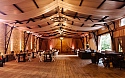
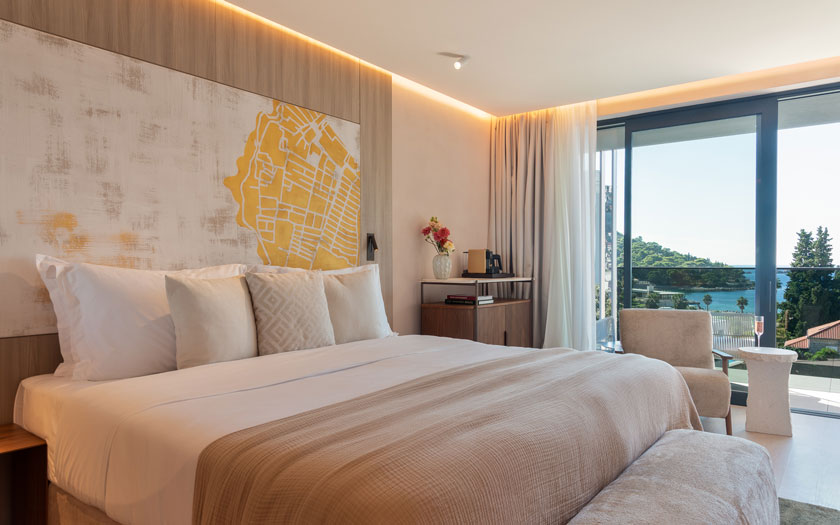
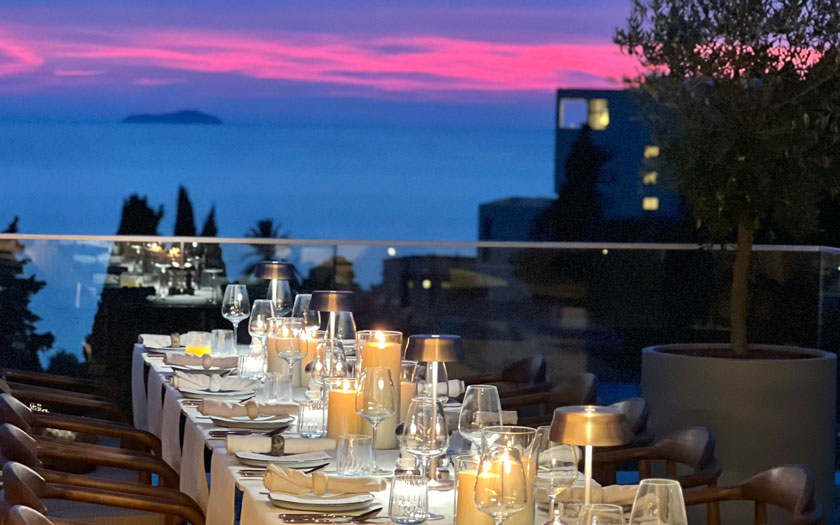
Sumratin is our newest and strategically most important project. It has been conceived as a contemporary urban luxury hotel that offers guests an elegant, calm, and authentic Dubrovnik experience, deeply rooted in the local culture and rhythm of the city. With sophisticated event spaces, an attractive rooftop, and carefully developed F&B concepts, Sumratin is becoming a new venue for gatherings, social events, and smaller high-end business meetings, while also marking a new phase in the development of our group.
Hotel Sumratin opened for three weeks in December and for the New Year period, and the results, as you point out, were very good. What did that short winter opening reveal to you about Dubrovnik’s potential outside the main season, especially for business and group events?
This winter opening was a deliberate market test and clearly showed that off-season demand exists when the offer is positioned in the right way. Dubrovnik has a strong global image, but it is still predominantly perceived as a summer destination. It is precisely outside the main season that it reveals its real comparative advantages: a more authentic experience of the city and a higher level of service, without the pressure of mass tourism.
Today, business guests, incentive groups, and smaller congresses are not looking only for functional spaces, but for a complete destination experience. They are looking for an inspiring setting, flexibility, a personalized approach, and content that makes sense within the context of the place.
For us, the development of the off-season offer is also a matter of long-term sustainability, more stable business performance, more even use of resources, and less pressure during the peak season. This is exactly the direction in which we see the natural development of MICE and smaller, high-value events.
Boutique and luxury events are key to Dubrovnik’s sustainable development
As a native of Dubrovnik, you have now returned “home” through this new role. Dubrovnik is Croatia’s best-known global destination and also one of the country’s leading congress tourism hubs. Do you see any untapped potential in this segment?
Dubrovnik has a long and strong tradition in congress tourism, and it is difficult to look at it through the lens of untapped potential in the traditional sense. I see room for further development primarily in adapting to current MICE industry trends, rather than in increasing volume. The market is clearly moving toward smaller, curated formats, with an emphasis on experience, destination authenticity, wellbeing, and sustainability. In that context, Dubrovnik has a significant advantage because it already has a strong identity, history, and global recognition.
I see the greatest potential in the development of boutique meetings, high-end incentive programs, executive retreats, and thematic business gatherings that combine high-value content with the destination experience.
These are the formats that create greater added value, place less pressure on infrastructure, and are more sustainable in the long term. At the same time, a focus on extending the season and redistributing demand beyond the summer months creates space for a stronger and more intelligently structured MICE offer outside the main tourist season.
You have worked in different destinations and within major international hotel brands such as Hilton, Falkensteiner, and Marriott, as well as in non-branded systems. What key differences would you highlight in the approach to product development between branded and non-branded hotels?
Large international brands bring strong systems, clear standards, recognition, and scalability. This ensures consistency of quality, strong distribution, and market trust, but at the same time can sometimes limit the possibility of shaping the product more strongly through the local context and the character of the destination.
On the other hand, non-branded hotels have greater freedom in shaping identity, concept, and guest experience. They can rely much more strongly on the local context, culture, and destination-specific features, which allows for greater authenticity and differentiation. However, such a model requires exceptionally clear strategic leadership, because there is no safety net of a global brand.
From my perspective, the key question is not which model is better, but how it is managed.
In a non-branded environment, every element – from design to service – actively builds the identity of the product. That is exactly where I see the greatest opportunity: in creating concepts that are market-relevant, yet strongly rooted in the local context.
Finally, what motivates you most in hospitality today?
What motivates me most is the opportunity to create a product that has long-term value, a clear purpose, a strong identity, and a sustainable position. I am drawn to projects that go beyond the conventional boundaries of hospitality, that focus on the quality of the experience, relevance for guests, and a positive impact on the destination.