Esplanade Zagreb Hotel Announces Launch of GHA DISCOVERY - A New Global Loyalty Programme

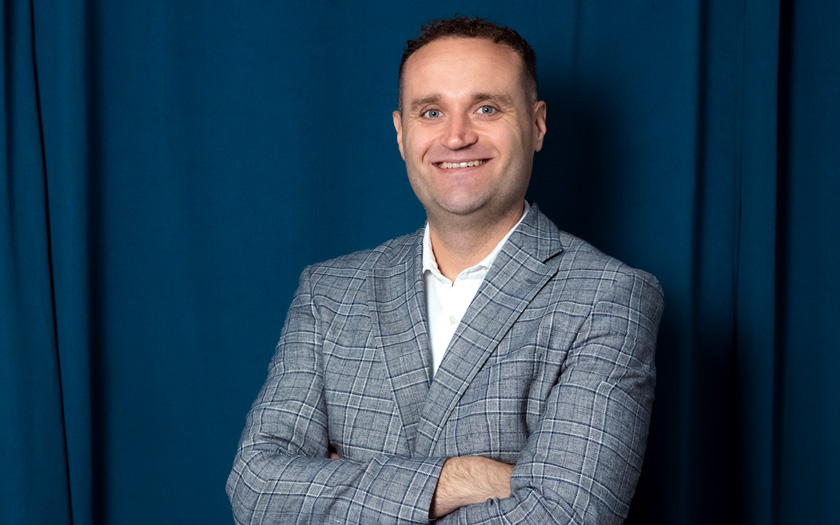
Tourism marketing is entering a period in which it is no longer enough to be visible on Google, social media or Booking. An increasing number of travellers are turning to artificial intelligence tools for accommodation and destination recommendations. We spoke about these changes, the new rules of digital and performance marketing and the application of artificial intelligence in tourism with Ilija Brajković, owner and director of the marketing agency Kontra. The agency collaborates with hotel and tourism brands, including Hoteli Maslinica, Kalamota Beach House and Plava Laguna, and gained some of its most interesting experience in destination marketing through its collaboration with the Dubrovnik Tourist Board.
Tourism marketing has changed significantly in recent years, with digital channels, shifts in traveller behaviour and growing competition constantly moving the goalposts. Which trends are currently most important in hotel and tourist destination marketing? What delivers results today and what is slowly losing its purpose?
The biggest change is where the guest makes their decision. Previously, the journey went through Google, Booking.com or the hotel's website. Today, more and more people ask ChatGPT "where should I stay in Split with two young children" and receive three names. The race for positions in AI searches has begun. Results are still delivered by things that are boring to talk about: well-structured Google Ads targeting the brand and destination, remarketing to people who have already visited the online booking engine and proper conversion tracking, alongside a very well-optimised website, of course. Generic "enjoy the sun and sea" campaigns and paying influencers based on follower count are losing their purpose. Anyone can pay for that and everyone ends up looking the same.
Where do hotels and destinations most commonly make mistakes in their approach to digital marketing? What would you advise them to change if they want marketing to bring concrete bookings and business results, rather than just reach and likes?
They measure the wrong things. In meetings, they present likes and reach, yet nobody knows how many bookings came from Meta or how much a single overnight stay generated via Google costs. Another issue is when a hotel hands over its entire online channel to Booking, pays 15%–20% commission and then claims that advertising is expensive. The entire game comes down to a simple figure: can we bring in a guest through advertising for less than what we would pay Booking in commission for that guest? The advice is straightforward. First, connect your booking engine with your analytics and advertising platforms so you see revenue, not clicks. Next, set a goal that finance understands, such as the share of direct bookings or cost per booking. Only then should you talk about creative.
Destination marketing and Dubrovnik as an example of precise geographic audience targeting
The recent Croatian campaign featuring John Malkovich attracted considerable attention. While some praise it, others argue it is not aimed at young people and future generations of travellers who probably do not even know who Malkovich is. What is your opinion and assessment of this destination campaign?
I think the criticism regarding young people misses the point. A single campaign cannot cover all target groups and that is completely fine. People aged 35 and over who travel with a more substantial budget know who Malkovich is and his family ties to Croatia give the story a reason to exist, so he does not come across as just a hired face. Good creative is only one part of the story; I have not personally followed what happened next with the campaign or where media space was purchased. However, I think it is completely fine that it targeted the 35+ crowd, while separate campaigns can be created for younger audiences.
You worked on a destination marketing campaign in collaboration with the Dubrovnik Tourist Board. It involved Meta advertising and geographic audience targeting during major sporting events. Could you briefly describe the project – what were the goals, the strategy and the results of the campaign?
We looked for where the people whom the Dubrovnik Tourist Board wanted to attract gather and concluded that there are events that bring together people with slightly higher purchasing power. The goal was to utilise the geo-targeting capabilities on Facebook and Instagram to showcase Dubrovnik to that target group and invite them to visit.
We leveraged events such as the Formula 1 race in Monaco, the Wimbledon tennis tournament and the Oscars to tell the story of Dubrovnik to people present at those locations. Together with the team from the Tourist Board, we came up with clever short messages, such as "Game, set, Dubrovnik", which fitted in seamlessly with the tennis tournaments.
What would you single out as the most important lessons from the collaboration with the Dubrovnik Tourist Board that other destinations can also apply?
It is not just about aiming for high ad impression numbers if they are not shown to the target audience. To take it to an extreme – we could have achieved millions of impressions for the same budget had we targeted, say, African countries. That would have sounded great on paper, but it misses the mark. Instead, we focused on a relatively smaller number of impressions and reach, ensuring that this reach was directed at the right target audience.
AI searches and content – the new rules of hotel brand visibility
Kontra also frequently collaborates with hotel brands. What is specific about digital marketing for hotels compared to other industries? How challenging is it to link marketing activities with real business results – direct bookings, occupancy rates and revenue?
A hotel sells something that cannot be stored. An empty room tonight is revenue lost forever, so marketing must be tied to occupancy and pricing, not just the brand. Secondly, between you and the guest stand OTA platforms that have larger budgets and better data than you do. Linking ads to revenue is not technically difficult, yet in practice, it often fails to work. The booking engine is on a different domain, tracking gets lost, Google Analytics 4 shows bookings without value and nobody checks it all season. Once that is resolved, you can see exactly how much revenue Google brought in versus Meta, making budget discussions much shorter. We learned this best during our collaboration with Hoteli Maslinica, where we could clearly see how much direct bookings grew thanks to paid advertising.
How does collaboration between an agency and a hotel work in practice: how involved must the hotel be in defining the strategy, possessing quality data and understanding its own sales goals for campaigns to be successful?
A hotel needs to know three things: which periods it wants to fill, how much it can afford to pay per booking and who the decision-maker is. If the revenue manager and marketing do not communicate, the agency ends up pushing promotions for a week that is already sold out. Our best collaborations are with hotels that grant us access to their booking engine and occupancy data and with whom we sit down once a month to review the numbers. Without data, an agency can produce pretty ads, but it cannot be held accountable for results.

Artificial intelligence is vastly changing the way users search for information, plan trips and choose hotels. How and in what ways is tourism marketing itself changing as a result? How does one appear in the answers of ChatGPT, Gemini and other AI tools?
Increasingly, guests do not browse through ten pages; instead, they get a single answer with three recommendations. This means the battle is shifting from the first page of Google into the model's response. However, we must recognise that Google is still number one and that the majority of guests still search for hotels the "old-fashioned" way – via Google Search.
AI tools recommend what is written about clearly and frequently online. A hotel that wants to be featured there needs an up-to-date Google Business Profile, plenty of fresh reviews on Google, Booking and TripAdvisor, a website that clearly answers guest questions (distance to the beach, parking, pets, family rooms) and mentions in media outlets and portals that the models trust. A vague description like "an oasis of peace in a unique location" tells the model nothing.
AI is also increasingly used to create marketing content, particularly copy and visuals. Here lies the danger of everyone sounding and looking the same. Do you use it in your work as well and to what extent? Where can artificial intelligence enhance the work of marketing teams and agencies and where can it still not replace human creativity, strategy and brand knowledge?
We use it every day, mostly where the work is repetitive: campaign analysis, report preparation, first drafts, market and client research ahead of meetings. For the tourism sector, we have also built an AI agent that answers guest enquiries and guides them towards direct bookings, which is something we actively offer to hotels. Still, a human must provide the final touch to all materials. What sets a brand apart is the decision on what to say and what to leave out, as well as knowing the client whom AI has never met. In that regard, humans remain irreplaceable.