TOURISM 365: AI is changing travel, attention is becoming the new currency, and seasonality is no longer a strategy

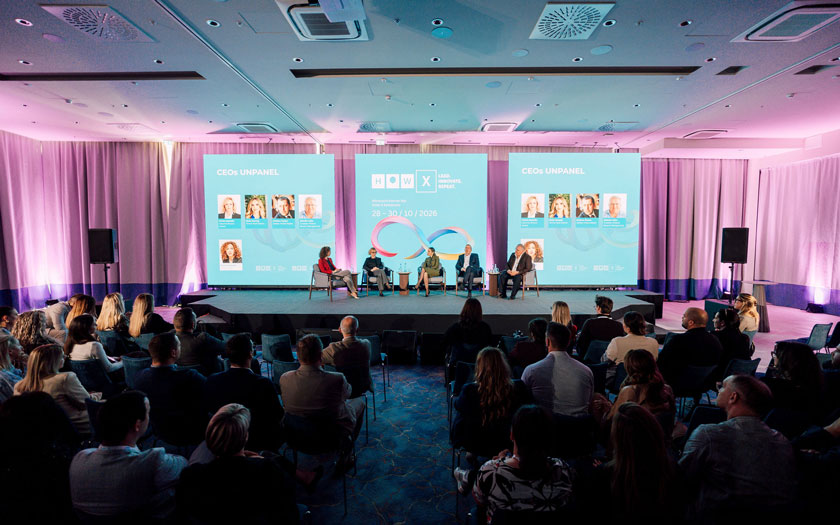
Croatian tourism is still growing, achieving good results and attracting investors, yet behind the positive figures lie challenges that the hotel sector has failed to resolve for years. From the balance between price and service quality, through the lack of quality management to realistic possibilities for year-round operations – these were the topics discussed at the CEO panel of this year's HOW Festival.
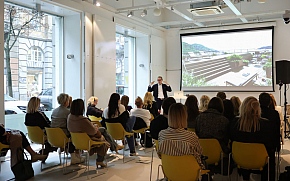
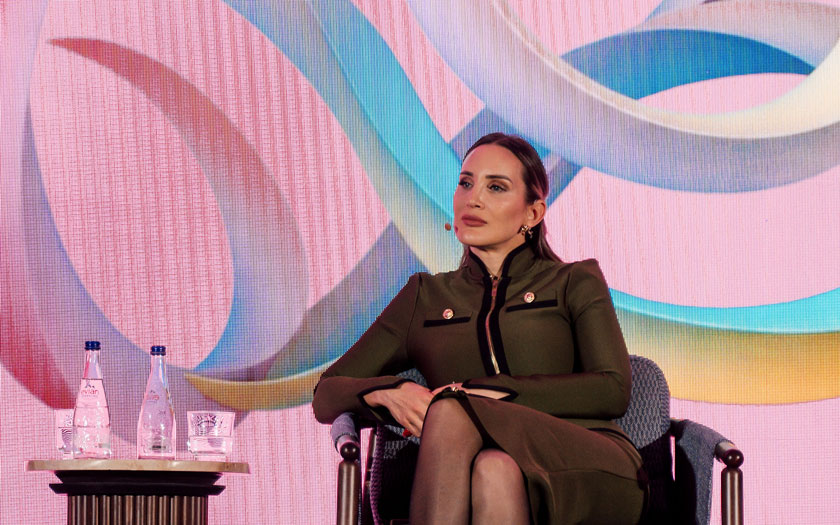
The panel entitled CEO's Unpanel, moderated by Marina Franolić, founder and director of HESA Group, brought together four hotel leaders: Zrinka Bokulić, president of the Management Board of Liburnia Riviera Hoteli, Nuša Korotaj, until recent the director of Terme Sveti Martin, Zdenko Leko, director of CHROME - Croatian Hotel & Resort Management and general manager of Sun Gardens Dubrovnik, and Kristian Šustar, president of the Management Board of Jadran hoteli from Rijeka.
Instead of a classic review of the tourist season, the conversation opened up a series of important questions about what is genuinely changing in Croatian tourism and what repeats itself year after year.
Rising spending opens space for higher prices, but also greater responsibility
The panel began with comments on the 2026 tourist season. Zrinka Bokulić assessed that we have reached maturity and that one of the more important positive changes this year is the growth of spending, which grew faster than tourist volume. She sees this as confirmation that Croatia can achieve better financial results without necessarily increasing the number of guests. Demand exists, and the market shows a willingness to pay for a quality product. Still, she warned that further price increases must be accompanied by an appropriate level of service. Today's guest expects to get concrete value for their money, and it is precisely the price-to-quality ratio that, in her opinion, is one of the biggest challenges in hotel operations.
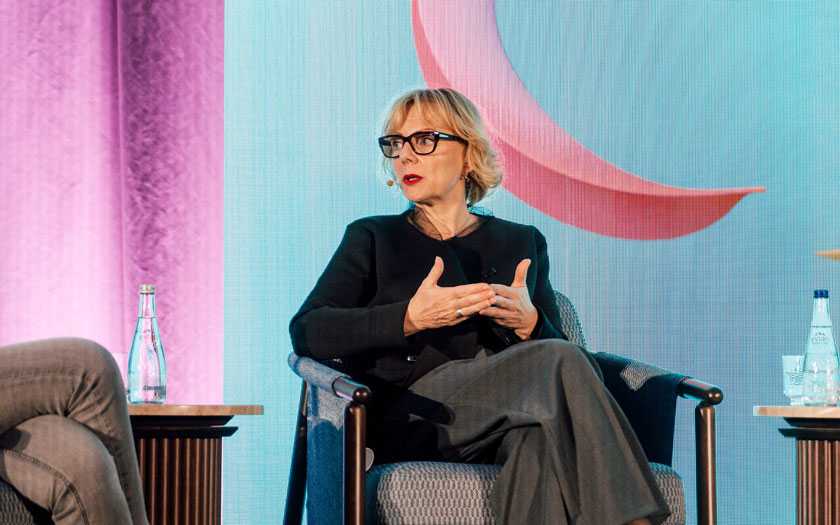
Nuša Korotaj described the past season as very challenging, primarily due to the pressure of rising costs and the need to simultaneously preserve service quality and employee satisfaction. She believes that investing in people is one of the key prerequisites for sustainable operations, as a hotel's competitiveness cannot be built solely on infrastructure and prices.
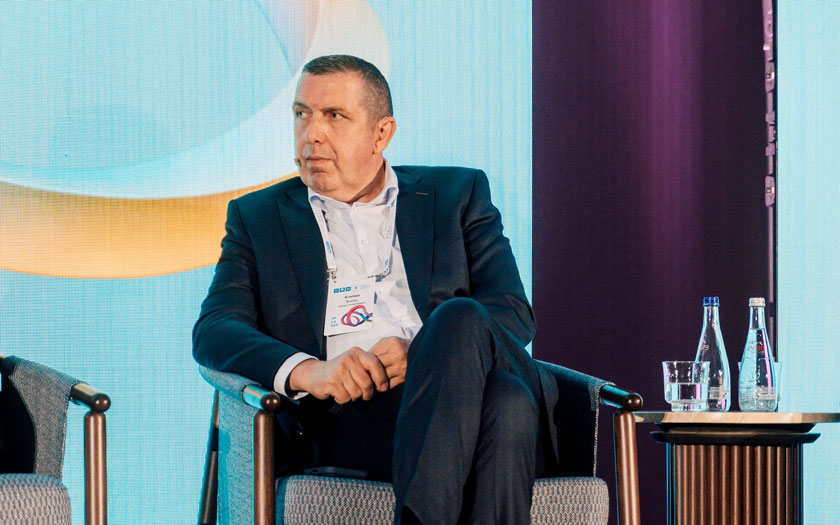
On the other hand, Kristian Šustar offered a somewhat more provocative assessment. To begin with, he emphasized that we should talk about the year, not the season, and then pointed out that he would describe the season, in one word, as a paradox. For him, nothing new has actually happened in Croatian tourism. The same pattern repeats itself for years: at the beginning of the year concern over demand prevails, during the summer there is great pressure and occupancy, and at the end of the season record results are registered once again.
"We haven't learned anything nor are we building anything new, we are just trying to better monetize what we already have," was one of his key messages. He believes too much energy is spent on discussions about costs, inflation and prices, while too little is said about the guest and their overall experience. He also warned that the success of a destination should not be automatically equated with the success of an individual hotel company, as those results do not always have to match.
Zdenko Leko pointed out that the past season was marked by resourcefulness – in pricing, staffing and attracting guests, and that this is their fourth or fifth year in a row breaking their own records.
The problem is not in new generations, but in management
One of the most concrete parts of the conversation related to employees and the growing challenges in attracting, developing and retaining them. The participants agreed that investing in people must be a priority, yet they also opened up the question of employers' responsibility for the quality of the working environment and education.
Zrinka Bokulić emphasized that employee costs are growing significantly faster than revenues. Their share relative to revenues increased by around 35 percent, which is not necessarily reflected in a proportional increase in service quality.
"It is important to create a working environment in which employees feel they are an important part of the business," Nuša Korotaj pointed out. She believes guests will more easily accept certain shortcomings of the hotel product if a motivated and quality team stands behind the service. Younger generations, according to her experience, are not less capable than previous ones, but they expect more attention, knowledge and support during onboarding. Employers must therefore have more patience and invest in their professional development.
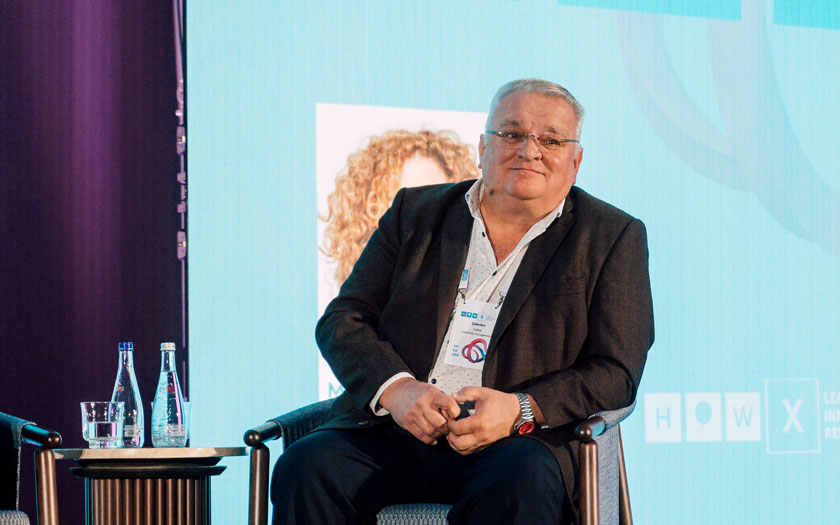
Zdenko Leko presented the experience of the Sun Gardens Dubrovnik resort, where between 160 and 200 employees work during the season, alongside additional seasonal needs. He emphasized the importance of education and familiarizing employees with the specifics of hotel operations, especially in large systems with continuous operations and high work intensity.
Kristian Šustar went a step further in diagnosing the problem. "We don't have a problem with employees, but with management," he stated, warning that too little is invested in middle management and the people responsible for onboarding new employees, mentoring them and developing them. In his opinion, the problem is not in generational differences, but in the fact that hotel companies often expect new employees to immediately find their footing in a demanding operational environment. If they are simply "thrown into the fire" without adequate support, it is hard to expect good and consistent results. The quality of employees largely depends on what kind of managers we assign them and how systematically we work on their development.
Year-round operations are not possible for every hotel
The question of investments opened up a more optimistic perspective. Zdenko Leko pointed out that Croatia has attractive locations and still unused potential, while Šustar believes it is a safe and regulated market with good prospects for return on investment. Yes, there are issues of bureaucratic slowness for investors, but the panelists agreed that Croatia is not alone in that, and that paperwork can take time in every country. Nuša Korotaj further emphasized the competitiveness of the Croatian market, the quality of hotel brands and F&B offerings, and the fact that the Croatian sector leads in some aspects compared to neighbouring Slovenia.
Still, Šustar also warned of the other side of the market's attractiveness: high expected returns can attract investors interested in a quick return, and not necessarily in long-term quality development of the destination. That is why it is important to carefully choose investments and investors.
Perhaps the most interesting discussion opened up around extending the tourist season. Zrinka Bokulić warned that only a smaller part of Liburnia's hotel portfolio, by her estimate around ten percent, has realistic possibilities to operate all 12 months. Nuša Korotaj believes the season can and should be extended, but with a quality product, appropriate demand and cooperation of all destination stakeholders. Hotel companies cannot take sole responsibility for creating year-round tourist content.
Šustar called for a more realistic approach in this regard. Instead of imposing the same model of year-round operations on all destinations, it is necessary to look at their real possibilities, transport connectivity, availability of content and structure of demand. He again highlighted the paradox of Croatian tourism: on the one hand we want to extend the season and attract employees, and on the other hand we offer them jobs that in many destinations are still predominantly seasonal.
The conclusion of the discussion was not that Croatia lacks potential for growth, but that the next developmental step cannot be reduced to another record season or new investments. Better management of existing resources, systematic investment in management and employees, and a more realistic, destination-tailored approach to developing year-round tourism are needed. Today, more than new records, Croatian tourism needs changes in how it manages what it already has.