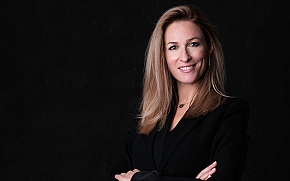
Vesna Pritchard: Outstanding PCO agencies always deliver extra value

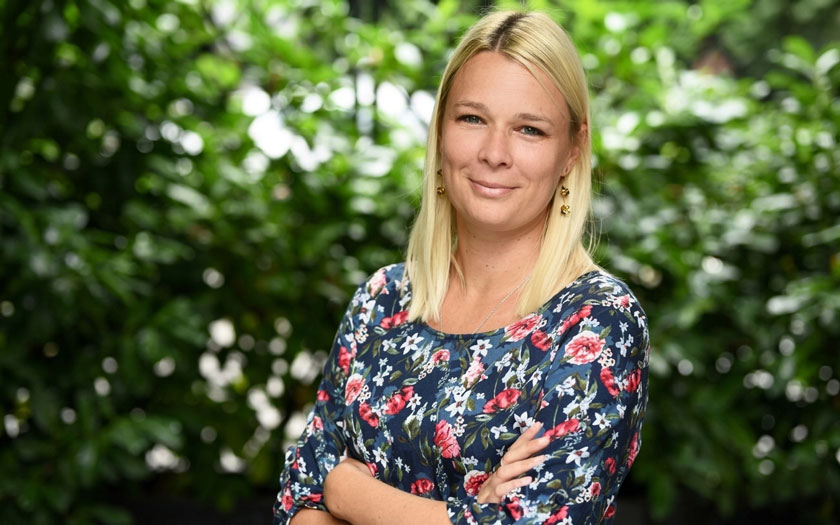
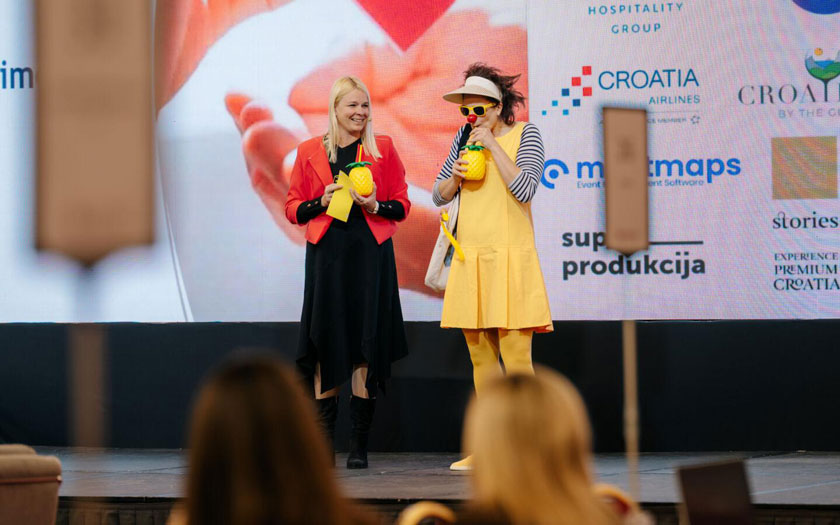
In recent years, the meetings and incentives industry and the event industry have increasingly been looking for ways to create a positive social impact alongside business goals. This was highlighted at this year's MEETEX, where one of the speakers was Maja Rusan, a representative of the RED NOSES Clowndoctors association.
For years, RED NOSES Clowndoctors have been bringing smiles where they are needed most – to hospitals, children’s homes, care homes for the elderly and vulnerable groups. Maja Rusan heads the Donations and Communications Department and is responsible for developing the funding strategy, developing campaigns, relations with citizens and companies, public relations, team management and creating new opportunities that allow the RED NOSES mission to develop and grow.
We spoke with her about how business events can connect with the charity sector, how event organisers, hoteliers and corporate clients can get involved in creating positive change, and why small moments of attention often have a much greater impact than we think.
To start with, could you explain to us who clowndoctors actually are, how many of them are currently active in Croatia and where they carry out their missions of smiles?
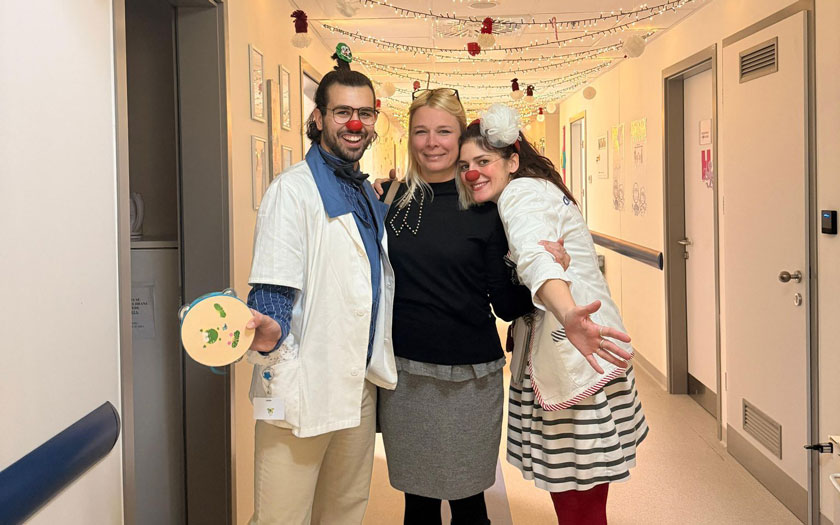
Our mission is to bring a smile where it is needed most through the art of professional clowning. Sixteen years ago, we started with four clowns and one hospital in Zagreb, and today our 38 clowndoctors regularly visit 21 hospitals across Croatia. In addition to children in hospitals, we visit elderly people in care homes, adults in oncology wards, children with disabilities, medical staff and people who find themselves in crisis situations such as natural disasters and displacement. In our 16 years of work, we have brought smiles and helped more than half a million people facing difficult life circumstances.
However, what we do is hard to describe in numbers alone. Our clowns are much more than the red nose and the costume they wear, and their greatest value is that they see the person before their situation. They do not focus on what is wrong, but on what is still strong, healthy and alive in a person. This means that for a few minutes, a child stops being a patient, an elderly person forgets their loneliness, a parent takes a break from worrying, and medical staff get a moment of lightness in a demanding day. It is precisely these encounters that often bring much more than a smile, because they connect people, give strength and awaken hope. I would say that the confirmation of the value of our work fits into one simple and sincere child's question: "When will you come again?". For us, that question means that our mission makes sense.
People have a need to be part of something bigger than themselves
How did you personally find your place in the work of RED NOSES and what attracted you most to this mission?
I think life was preparing me all along for the job I do today. My life path is full of different experiences that shaped me and taught me to look for beauty even when life shows us its harder side. As a child, I was diagnosed with type 1 diabetes and spent a lot of time in hospitals, learning early on the true value of health. Through a family business, I experienced both success and loss. We were a small but major system that created products of exceptional quality for years; we developed the market, new products, invested in people, and built relationships with suppliers and customers. It was a wonderful period full of learning and creation. Then the recession hit, and in just a few years we lost almost everything. That experience taught me how important people are and how much strength they can show in the darkest moments.
After that, I dedicated five years entirely to my family and raising my sons, my greatest life achievements. Today, I am sincerely grateful for that because I realised that happiness is not found in things and how little it actually takes for us to be happy.
Then came RED NOSES and the feeling that all the pieces of my life had come together in one place: an entrepreneurial mindset, a love for people, communications, creation and the desire to leave something valuable to society. Here I learned another important thing - people have a need to be part of something bigger than themselves, and through our mission, we enable them to do just that. I often point out that by supporting organisations, people are actually donating to values, to changes and to the feeling that they have helped someone. That is why this job is not just a job for me. It is a responsibility, a privilege and a place where my values, experience and desire to leave something meaningful to society come together.
The collaboration between RED NOSES and MEETEX sparked a lot of positive reactions this year. How did this collaboration come about in the first place, and how did you experience the atmosphere where "strict" business tourism met emotion and charity work? Have any new collaborations come out of it?
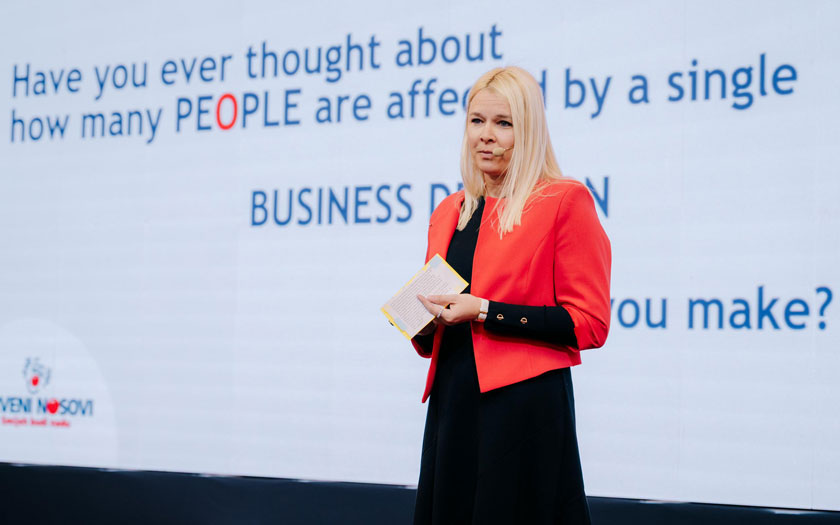
I must admit that this collaboration particularly inspired me. At first glance, business tourism and the non-profit sector might seem like two completely different worlds. But when you look a bit deeper, both worlds actually connect people, create experiences and leave a mark. That is why I am especially grateful to the organisers for opening up a space for this topic and showing that at business conferences, there is also a place to talk about empathy, social impact and responsibility.
Today we talk a lot about technology, artificial intelligence, strategies, growth and results. All of that is important, but behind every decision, every project and every business success stand people. People who want to be seen, respected and connected to something that has meaning. That is why I believe that topics like empathy, philanthropy and social impact have a place at business conferences. Not because they are nice or noble, but because they are relevant. Every person in the audience makes decisions daily that affect other people, employees, colleagues, clients, partners or the community in which they operate. One decision can launch a project, it can create a job, it can ease a difficult period in someone's life. Sometimes, one decision can change someone's life.
The atmosphere at MEETEX was truly special, and the openness of the audience delighted me. People recognised that social impact is not something that comes after business success, but something that can be an integral part of it. What pleases me most is the fact that the presentation was followed by new conversations, new contacts and ideas for collaborations. For me, that is always confirmation that the message found its way.
Opportunities for the meetings and hotel industry
The event industry often talks about creating experiences, and your presentation at MEETEX reminded us how much experiences can also have a deeper, social impact. What does this H2H – human to human approach mean to you, and why do you think it resonates particularly well with the event industry today?
For me, H2H is not a trend or a marketing buzzword. It is a reminder of something we sometimes forget in a world of deadlines, targets, numbers and technology. We can be directors, event organisers, hoteliers, entrepreneurs, employees, donors or clients, but above all, we are humans who have our own worries, hopes, fears and dreams. I believe that behind every successful project, business relationship or organisation always stands a person and their relationship with another person.
Today we live in challenging times; we have never been more connected, yet at the same time, many feel unseen and misunderstood. That is why I think humanity is becoming one of the most important business and life values, but also a competence. When we truly see someone, listen to them and try to understand them, we build trust, and trust is, in my opinion, one of the most valuable currencies of today. It cannot be bought or rushed, and technology cannot replace it either. We build it through relationships, consistency and the way we treat people.
I think all of this is the reason why the H2H approach resonates strongly with the event industry. On top of that, events have an incredible power to gather people, create emotions and spark ideas. They are places of encounter, inspiration and connection, and they become platforms for creating trust, empathy, collaboration and positive social impact. I would also emphasise responsibility here, because every event organiser, every speaker, every company and every leader has the opportunity to influence the people listening to them. The only question is how they will use that opportunity. That is why I believe events can open a new perspective, start a conversation, inspire a decision and encourage someone to do something good. When that happens, the event has achieved much more than its basic goal. Because at the end of the day, regardless of the industry we work in, we are all looking for the same thing - meaning, connection and a sense that what we do has value.
In your presentation, you mentioned the "chain of kindness". How can event managers, corporate clients and hoteliers actively get involved in this chain and become that third, crucial link that enables change? Is it about donations instead of registration fees, special activations or what are other possible examples?
The chain of kindness is actually a story about society. There is a person who needs help. There is a person who provides help. And there is a person who enables that support to happen. What is certain is that after a mission of helping, none of those three people will ever be the same again. The person who needed help will remember for the rest of their life that someone was by their side when they needed it. The person who reached out knows they changed someone's life, and the person who made that encounter possible realises something very important, which is that each of us has a role to play in the chain of kindness. Perhaps that is the very meaning of community. We do not all have to do the same thing, but everyone can contribute in their own way.
That is why I see a major opportunity for the event industry here, and I believe that today it is no longer a question of whether they can get involved, but how. The possibilities are truly numerous and often actually start with a simple idea. Sometimes it is a donation of a portion of the registration fee for a conference or event. A donation campaign can be organised during or after the event, people can independently decide to support stories they believe in, and companies can involve employees and attendees in various fundraising activities. It is incredibly valuable to us when we are given a space to present our mission, just as was provided for us at MEETEX. Hoteliers, for instance, can involve hotel guests where they can choose to donate during check-in, and the hotel can offer this during a certain period of the year. Today, guests particularly appreciate this kind of contribution, and we are here to provide the hotel with stories and gratitude through which they will see what they have changed in society. Of course, companies can also always decide to give back a portion of their business success to the community through a donation.
What I have seen through my work is that people want to help. Sometimes it is enough just to open the door and give them an opportunity to be part of a beautiful story. It does not matter how big the activity is. It is important that it exists. Because one such decision results in hundreds of smiles that they might never see personally, but they will know they made them possible.
In the end, I always return to that image of the three people. One needs help. One reaches out a hand. The third holds them both so that the encounter is possible. Any of us can find ourselves in one of these three roles in life. When we realise this, it becomes clear that none of us is too small to make a difference and that sometimes, the very person standing in the background becomes the reason why someone's life changes for the better.
The most beautiful things happen when we connect people around a shared meaning
Do you collaborate in a similar way with other events, hotels or companies? Are there examples of projects that particularly touched you or showed how much business events can have a positive social impact?
Yes, and such partnerships are precisely one of the most beautiful parts of my job. I love it when companies, event organisers, hoteliers, media and individuals recognise that success is not just what we achieve for ourselves, but also what we give back to the community. That is when collaborations stop being just business and become stories that have a deeper meaning.
What this job has taught me over the years is that people have a sincere desire to help. Sometimes they just need to be shown how. It fascinates me time and again how much creativity, kindness and energy are generated when different people gather around a beautiful idea.
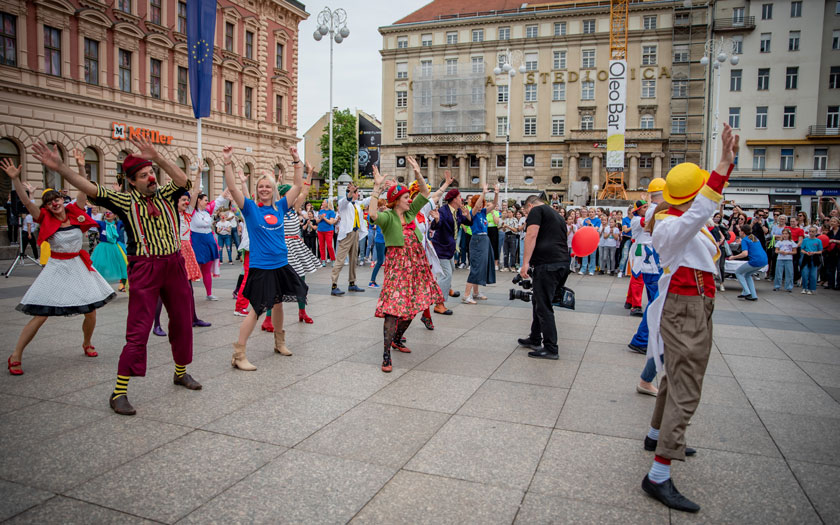
One of the projects I am particularly proud of was a large Flash Mob in the centre of Zagreb. We gathered more than a hundred people of different generations and life stories. Children, elderly people, medical staff, our partners, donors and citizens who spontaneously joined us danced with us. For a few minutes, all roles, titles and differences between us disappeared. It did not matter who came from which sector, what age or profession they were. We all became part of the same story. A story of smiles, togetherness and support. That precise moment touched me deeply. It showed me how much people want to be part of something positive when you give them the opportunity.
Equally emotional was the gathering marking 15 years of RED NOSES activity with representatives of the business sector. The event was not organised to ask for something from our partners. On the contrary. We wanted to tell them a simple but sincere: THANK YOU. Thank you for believing in our mission. Thank you for believing that a smile has value. Thank you for standing behind children in hospitals, parents, elderly people and all our beneficiaries for years.
At that time, I told them something I still deeply believe in today: you may never meet the child who laughed in a hospital room or the parent whose difficult day we eased if only for a moment, but every single one of those smiles belongs to you too, because without your support, it would not have been possible.
That is exactly what inspires me most in this entire story. Realising that everyone can be part of the change. Someone will give a donation, someone their time, someone knowledge, and someone a space. Someone will open the door to a new partnership, and someone will share a story that will reach a person who can help. These are all links in the same chain of kindness.
Profit and social impact are not opposites
Fundraising is a major challenge for many associations today. In what ways do RED NOSES secure funds for their work, and how important are partnerships with the business sector?
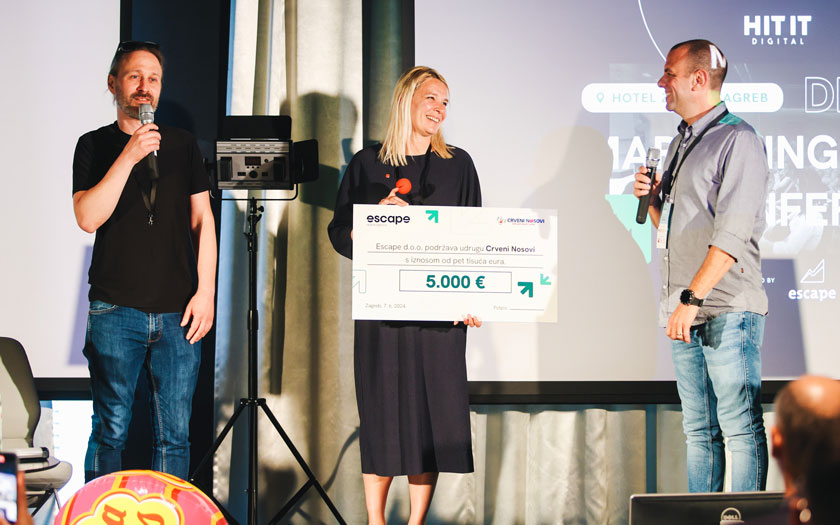
We are primarily funded by donations from individuals and companies. This means that behind every visit to a hospital, care home for the elderly or rehabilitation centre stands someone who decided to believe that a smile has value. Someone who may never meet the child whose day we brightened or the parent whose difficult period we eased if only for a moment, but who decided to be part of that story.
My job is to create and maintain that trust. People often perceive it as fundraising, but for me, it is much more than that. It is strategic planning, relationship development, communication, understanding community needs, leading people, developing new ideas and creating long-term sustainability for the organisation. In the private sector, it is a combination of marketing, sales, communications and business development, just with one extra element that means a lot to me - a humane purpose.
I like to say that people do not donate to organisations. They donate to values, changes and stories they believe in. It is essential to understand how much lies behind every donation. Research, conversations, analyses, plans, campaigns, reporting, transparency and accountability towards every person who has placed their trust in us.
Today, there are many ways for people to get involved. Someone might choose to become a regular donor through our Joybringer program and, month after month, enable a smile to reach where it is needed most. Someone receives our red-nosed letters, someone starts a fundraising initiative among friends or colleagues, and someone simply shares our story with others and opens the door to a new partnership.
This brings us precisely to what I often talk about at conferences, in schools, the media and the business sector: philanthropy is not reserved for major donors. Philanthropy begins the moment we decide to care about someone outside our own circle. That is why I believe that the development of philanthropy is one of the most important indicators of a society's development. Not because it tells us how much people have, but how much they are willing to share. Their time, knowledge, experience, attention, contacts or financial resources.
The business sector plays an exceptionally important role in this. I am particularly pleased when I see that companies no longer view helping as a one-off activity, but as part of their culture, identity and responsibility towards the community. I believe that profit and social impact are not opposites. The most beautiful things come about precisely when we combine them.
In the last few years, we have managed to more than double the organisation's income. I am so proud of that result, and I am even prouder of what stands behind it. Thousands of people who decided to believe in good.
If you could pick out one thing you would like the event industry to understand better about the work of RED NOSES and the importance of “small moments”, what would it be?
I would like them to understand that small moments are not small. Every day I see how much a glance, a word, a few minutes of attention or a sincere smile can change someone's day. Sometimes even the way a person experiences what they are going through.
If there is one thing I have learned through the work of RED NOSES, it is that people often do not need a perfect solution. They need to feel that they are not alone while going through whatever has come their way. That is why I believe that one of the greatest gifts we can give to each other is simply presence.
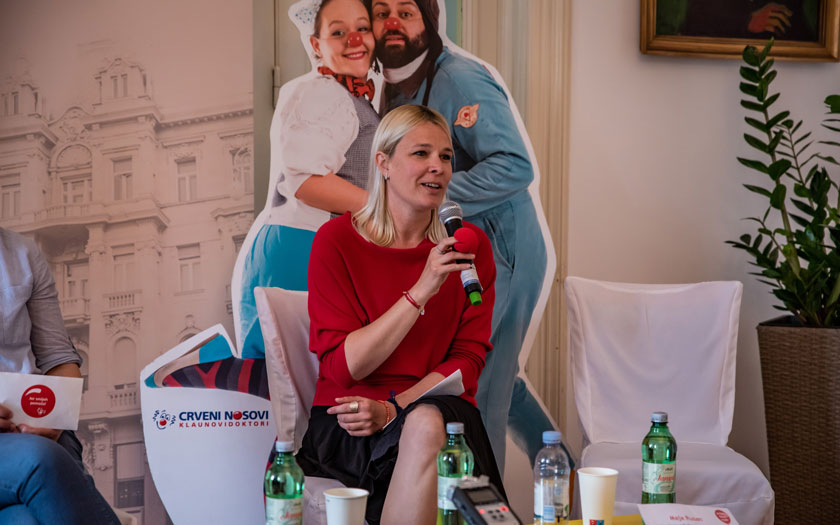
My life motto in all phases has always been: Life is beautiful. Tra-la-la. Because joy is no small thing, and it is often the very thing that becomes a space for courage, relief and hope. Reaching out a hand to someone, offering a smile, listening to them and giving them a word of support is of great value, and it is precisely these things that change days, and sometimes lives. I sincerely believe that every day is worth at least one tra-la-la.