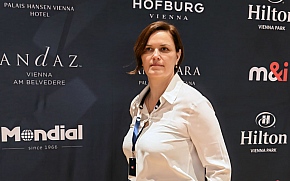
Marina Marunić: Clients do not buy a transfer and dinner, but the feeling that their event is in safe hands

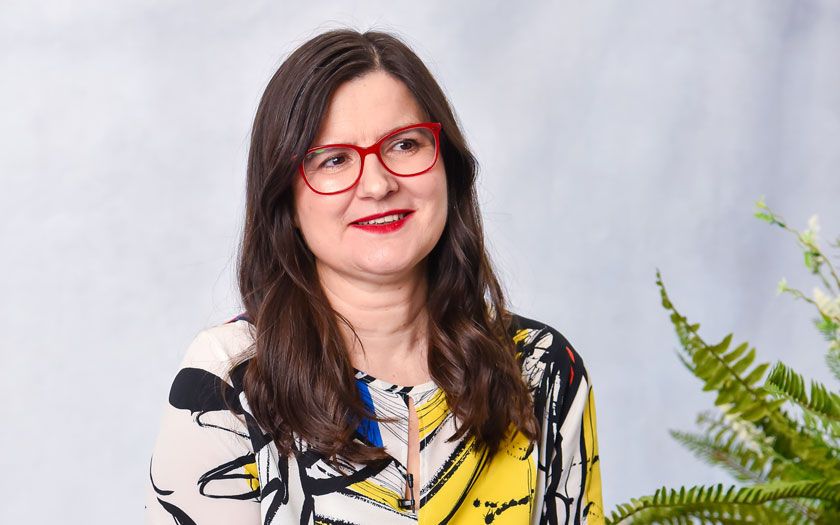
Renata Nevidal has been active in tourism, particularly the meetings industry, for nearly two decades. Her professional journey is marked by the organisation of congresses, conferences and incentive programmes, PCO business development and a strong focus on destination management. As co-owner and director of the Globtour Event agency, she participated in the development of numerous programmes and major international events. Her colleague Vesna Pritchard highlighted in an interview for our portal that it was precisely Renata Nevidal, with her great passion for storytelling and destination management, who breathed soul into that segment.
Upon stepping down from operations at Globtour Event, she dedicated herself to a new chapter – the Kultur Travel agency, through which she currently develops cultural, eno-gastro and experiential programmes. Her sense of story, local context and authenticity is precisely what connects these two professional worlds. We spoke with her about her experiences in PCO operations, the changes brought by digitalisation, Croatia's potential for developing authentic experiences and what foreign guests actually remember when visiting Croatia.
When you look back today, what memories and emotions tie you most to Globtour Event and your PCO days, and what was your greatest motivation back then? How important is destination storytelling in creating successful events?
When I took over EVENT in 2006 and joined Vesna Pritchard, who was running Globtour Zagreb, I was greeted by a lovely selection of programmes launched by a great visionary, Mrs Višnjica Čerić – costume city tours, the lighting of Upper Town gas lanterns, the hunt for the Witch of Grič and many others. I happily continued to create Knights on Medvedgrad, house concerts and other programmes.
One of the biggest challenges from that period was organising an incentive trip to Zagreb for the senior management of an international corporation. They had been everywhere and seen everything, and now they were coming to Zagreb. We decided to find inspiration in heritage and offer an authentic experience.
We accommodated them at the Esplanade, where they also held their business sessions, while a special programme was created for accompanying persons, including different activities each day. The highlight of the programme took place in the Upper Town. Upon arrival, the group was greeted by Marija Jurić Zagorka, who told the story of the city and the lanterns. The lamplighter joined in, and with special permission from the City Gasworks, each director had the opportunity to bring light to the Upper Town by personally lighting one gas lantern. On the way to the Rauch-Oršić Palace, our staff greeted them dressed as the Rauch couple, and inside, the museum staff welcomed us as the Oršić family. Everyone was dressed in original costumes and, over a welcome drink, shared the story of the palace from the period of their lives. We knew that the regional director loved opera, so in collaboration with a prima donna from the Croatian National Theatre, we arranged a private house concert as a surprise. Following the programme, the guests went to a traditional dinner and concluded their official stay in Zagreb enjoying an authentic destination experience that truly captivated them.
Destination storytelling, when executed well, can genuinely serve as the backbone of many programmes, and all guests prefer listening to stories rather than data.
What a major event teaches you – and what technology cannot replace
Organising congresses and business events is considered one of the most stressful yet most dynamic jobs. Looking back from today’s perspective, how do you view that experience, and what key operational lessons from major congresses have you applied to your current business challenges? What has changed the most in the industry since you started?
We certainly faced stressful situations, but a strong team, carefully selected and reliable suppliers, and everyone's readiness to react when it mattered most ensured flawless execution and satisfied clients. I remember a situation involving a conference for 500 participants on a Jadrolinija ferry. The party during departure was brilliant, but a gale-force bura wind blew up, and we knew we couldn't start the programme in the car deck, which we had converted into a venue for a gala event, until we turned off the engines. We were wondering how to break the news to the client, but fortunately, he called us first to ask if we could delay the start because the deck party was so good he didn't want to interrupt it. Never again a major boat event in March, because once three March bura winds pass, a fourth one can always come along.
One lesson I learned the hard way is that you must put down in writing, speak about and repeat absolutely everything to all suppliers. Even if you have hired videographers, top-tier equipment and direction, you still need to explicitly state that you want a recording, not just an outstanding live event.
As I am approaching 20 years since I started in tourism, I see that the greatest leap forward has been made in technological terms. From faxes and Excel spreadsheets to online systems, applications, virtual and hybrid conferences.
However, despite all the technology, quality people remain the most vital link.
The event industry is undergoing major changes today. From the perspective of someone who worked prior to the digital transformation and is now developing tourism products and experiences, what are the biggest differences in client and participant expectations?
Expectations have shifted. Speed of response, involvement, interactivity and even gamification have become essential, yet one constant remains unchanged. Everyone is still looking for an authentic experience. It used to be normal to send a fax and wait a few days for a reply, whereas today that has been reduced to a couple of hours, or maximum a single day. It is also wonderful that we can increasingly integrate corporate social responsibility into our programmes, either through direct support to the local community or through collaboration with non-profit associations.
After years of managing complex operations at Globtour Event, you decided to step into a new, calmer yet creatively richer sphere and launch Kultur Travel. What did that moment of decision look like – how was the idea born for an agency focusing on cultural and experiential content and creating authentic experiences?
My decision to step down from operations at Globtour Event came as I was turning 50. We had an extremely successful period at the agency – nearly 60 employees across Zagreb, Ljubljana and Sarajevo. We handled our largest incentive with 2,100 participants, conferences with over 1,000 participants, and all departments delivered excellent results with top-tier teams. Vesna Pritchard and Renata Vojnić made my decision easier because I knew I could leave with peace of mind, leaving the team under the best management. They were both highly expert and fully dedicated to running the agency.
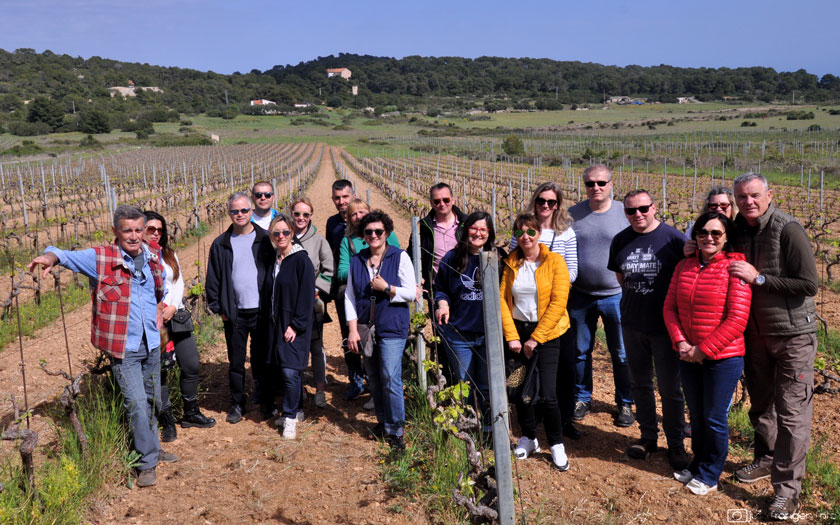
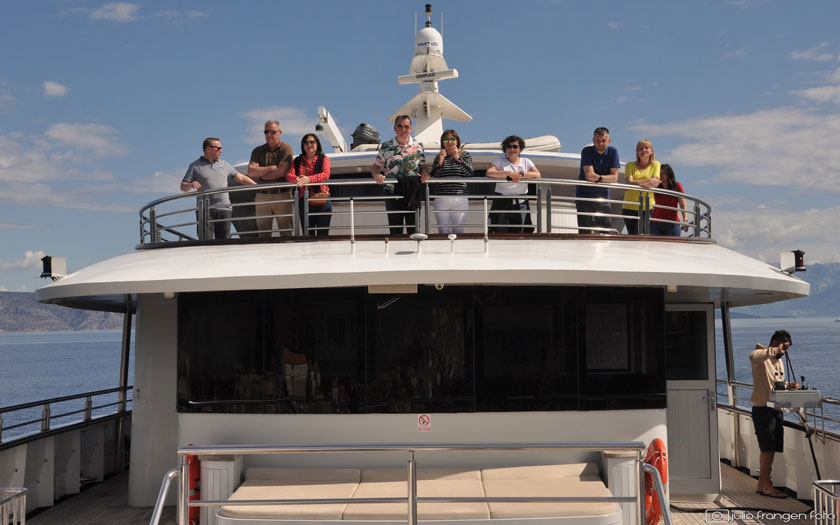
My last working day was 31 December 2019. I didn't plan to open another agency straight away. As I had been active in the Cultural Tourism Association at the Croatian Chamber of Economy for years, my desire was to pass on the knowledge and experience I had gained. I managed to conduct a training session for Paklenica National Park before the coronavirus pandemic, after which everything came to a halt. A few months later, my friend Marija Vukelić, a wine and olive oil sommelier, encouraged me to start another agency when she invited me onto her first wine cruise. Together with her, I continued organising luxury wine cruises on mini-cruisers, and added top-management team building and bespoke programmes to the offer. Knowing the destinations, the best suppliers and hidden stories made it much easier to design new tailored programmes.
The experience is what remains after the event
Many organisers today are searching for ways to offer participants something beyond a standard conference programme. In your experience, what makes an experience authentic and unforgettable?
An experience should be closely tied to the destination, and ideally, it should also be unique. Examples include the gas lanterns in the Upper Town or the knights at Medvedgrad, where Barbara of Celje, the Black Queen, takes part in battles and wins because she is a fencing champion in real life. In Split, it is an authentic Roman programme at Diocletian’s Palace featuring gladiator fights, Diocletian welcoming guests and food prepared according to ancient recipes, with spices prepared up to 48 hours in advance. When you pair that with indigenous wine varieties and actively involve participants in the programme, it becomes truly unforgettable. We have a great selection of high-quality, interesting museums that could be used as alternative event venues, and we can also add new attractions like the Museum of Illusions or the newly opened VR Wandia studio.
Through Kultur Travel, you develop cultural, eno-gastro and experiential programmes across Croatia. What does the process of designing a new tour or experience look like – from the initial idea to the final product?
We are fortunate to have an exceptionally rich tangible and intangible heritage, so we include at least a part of it in all our programmes. We conducted our first Adriatic Wine Odyssey wine tours back in 2014 at Globtour Event, creating our first database of wine contacts, and at the time we also offered continental wine tours across all wine regions.
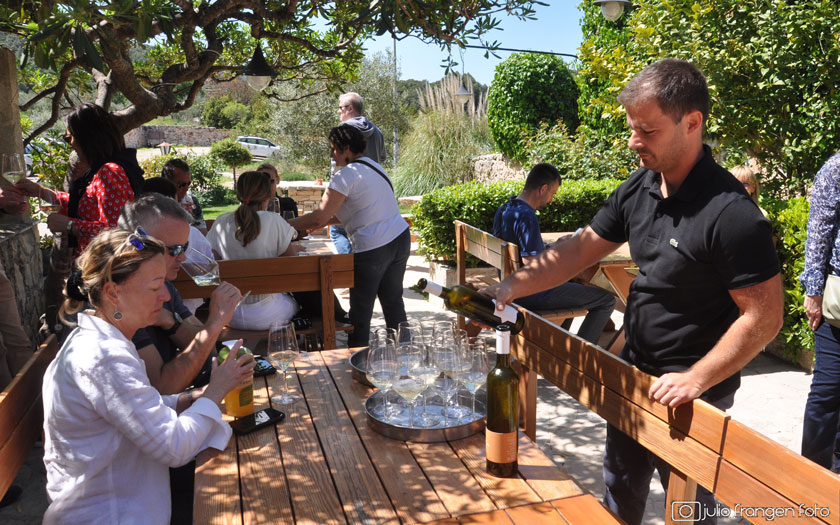
When designing a programme, I usually start with historical facts or a legend, building the experience around a destination I have researched and gotten to know well. On a wine cruise, we offer food on every island that you would rarely find in a restaurant – pasta and bean stews on Vis, homemade Vis and Komiža savoury pies, cviti biscuits and similar delicacies. There are also indigenous varieties such as Vugava, Kuč and Palagružonka, alongside the unique experience of meeting winemakers personally in the company of a wine and olive oil sommelier. We also frequently include the story of the Falkuša Museum.
We also follow current trends, incorporating wellness and wellbeing elements – breathing exercises and light workouts before breakfast, and relaxing massages during the programme. On board, we strive to offer products from small local producers. Pašman Libre aceto balsamico from Pašman, Mandarinet jams from Opuzen, pastries from Škatula on Korčula and Crocantino ice cream are just a few examples. We also include producers of gin, chocolate and everyone on the islands who adds value through their products. I am particularly delighted when I order Stari Grad paprenjaci pepper cookies made according to a 300-year-old recipe, or when we take a group to UNESCO World Heritage sites.
Croatian wine is still not sufficiently integrated into business programmes
Croatia boasts incredible indigenous wine varieties and passionate winemakers, but where do you see the biggest untapped opportunities, and where are the shortcomings in our current eno-gastro offer? How can hoteliers and event organisers better integrate this story into their programmes?
Slavonia and Baranja feature beautiful vineyards, wines and wineries, but the lack of proper infrastructure, such as high-speed trains, makes their inclusion in incentive programmes difficult. With the construction of new hotel capacities and venues, I see a shift of some events closer to wine regions. While waiting for a better transport network to materialise, hoteliers could work on incorporating a selection of indigenous wines into their wine lists, organising guided wine presentations through workshops as supplementary event content, and thereby partially address this issue. Selecting local, indigenous wines with meals is key, and bringing in winemakers in person for VIP events is very warmly received by clients. Seasonal programmes such as grape harvesting, St Martin’s Day or St Vincent’s Day can also be included.
Foreign guests often notice details that locals take for granted. Over the years, what has surprised you the most about their interests and perception of Croatia?
For years, I used to ask foreigners how long they thought the flight from London to Zagreb took. They rarely guessed correctly, usually estimating around four hours, and were surprised to learn it was only two hours and 15 minutes. Now, they are increasingly delighted by the natural flavours of our fruit and vegetables and the simple lifestyle. Safety is another factor. They are fascinated that children can still move around freely and play outside on their own.
What brings me the most joy is presenting young people in tourist destinations who choose viticulture and a harder way of life, preserving family tradition and the island lifestyle. They educate themselves, elevate family wineries to a higher level and recognise the importance of collaborating with tourists.
With good infrastructure, we could connect congress destinations with attractive tourist spots.
Croatia has been investing increasingly in the development of experiences in recent years. Where do you see the largest untapped opportunities for bridging the tourism and business sectors to create added value for congress and incentive guests?
Developing high-quality congress infrastructure is a prerequisite. We are too small a destination for massive congresses and gatherings, but we can host smaller gatherings very efficiently, thereby extending the season in tourist destinations. Combining work and leisure, or "bleisure", has been popular for a long time, and now that events are organised mid-week, it is even easier to add a leisure programme before or after. Good infrastructure would allow us to connect congress destinations with attractive tourist spots. I am a great optimist and hope to see the return of the railway in a new light, but until that happens, we have air transport and excellent roads.
At Globtour Event, we offered a "Coffee in Dubrovnik" one-day post-tour programme for years – a flight to Dubrovnik, a guided tour, lunch or coffee, and a flight back to Zagreb. It was a fantastic way to connect destinations.
If you could organize a perfect one-day experience in Croatia for a group of ten international guests with an unlimited budget, where would you take them and what would they have to experience to truly understand Croatia?
They would land in Zagreb, have a short rest and refreshment at the Esplanade, and then we would split them into two groups and fly them by helicopter to Plitvice Lakes. Next, they would stop at Velebit, where we would serve a lunch of local delicacies while enjoying views of the islands. We would then fly to Hvar to see the lavender fields, taste Hvar gregada fish stew and local wines, and fly across the Neretva Delta to Dubrovnik for dessert before taking their return flight.
It is difficult to squeeze everything they should see and experience into a single day. Ideally, I would split them into five pairs and send them in different directions with film crews to capture everything. In the evening, everyone would present what they saw, did and tasted.
Here is an example from practice that delighted a guest during an inspection trip. We had a VIP guest on a very brief visit. He flew into Zagreb, stayed overnight at the Esplanade, and we took him to Brijuni. We stopped in Lovran for a quick refreshment en route to Split, where after his meeting we toured Diocletian’s Palace. We then traveled across the Neretva Delta to Dubrovnik for a meeting and dinner, finishing the day with a night tour of the city. He flew out from Dubrovnik. Throughout the journey, he kept commenting on the diversity, natural beauty, cultural heritage, islands and the ability to sail year-round without worrying about tides.
Perhaps that is where the essence of approaching a destination lies – Croatia shouldn't just be shown to a guest, but given the opportunity to be experienced, retold and carried away with them.